
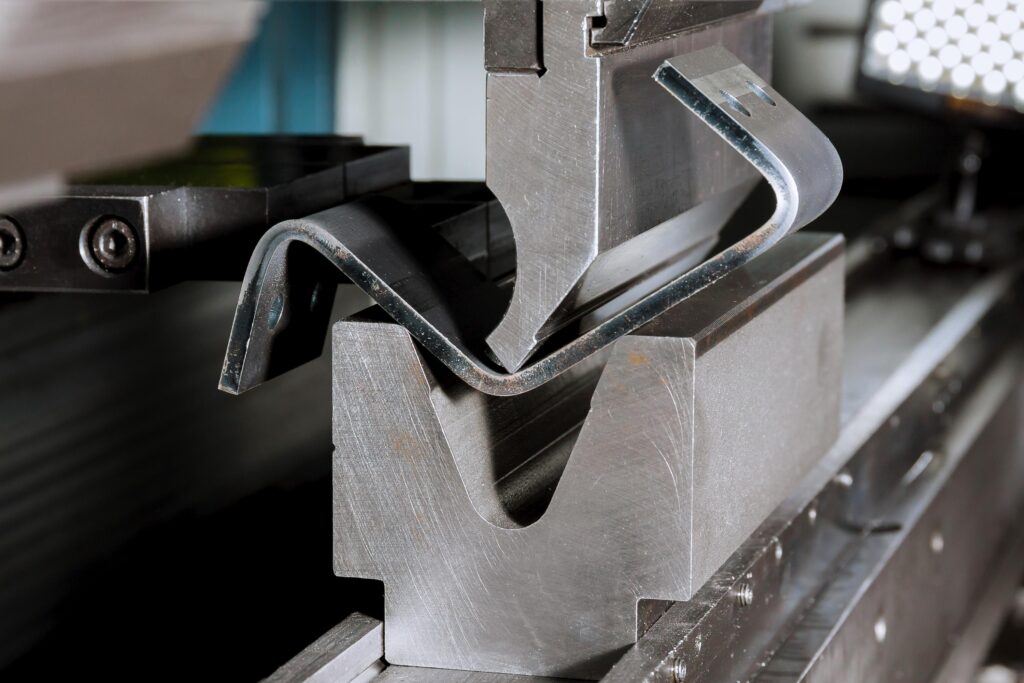
Choosing between an electric press brake and a hydraulic press brake shapes your production’s precision and cost. You need clear facts on accuracy, speed, tonnage, maintenance, and automation to make the right call. This guide breaks down critical differences and shows how to match your needs with the right CNC press brake UK model. Speak with our UK team today. Book a demo and ROI review. Request a tailored recommendation, finance options, and a quote.
[https://mac-tech.com/metal-fab-equip/comparing-hydraulic-and-electric-press-brakes-key-differences/]
Comparing Electric and Hydraulic Press Brakes
Understanding which press brake suits your needs can transform your production line. The choice between electric and hydraulic models impacts precision, speed, and cost. Let’s delve into these differences.
Accuracy and Bending Repeatability
When it comes to bending precision, electric press brakes often take the lead. They use servo motors for control, ensuring each bend is consistent. This level of control can be crucial if you’re working with complex geometries or need repeatability. In contrast, hydraulic press brakes use hydraulic cylinders, which can have slight variations over time. Though they’re generally precise, they might require more frequent adjustments to maintain accuracy. If precision is your top priority, electric might be the best choice. On the other hand, for less intricate tasks, hydraulic press brakes provide reliable performance.
Speed and Cycle Time Reduction
Speed is another factor where electric models shine. They boast faster cycle times due to their quick response to commands. This can significantly enhance productivity, especially in high-volume settings. Hydraulic press brakes, while robust, usually have slower cycle times. This is because the hydraulic fluid takes time to move through the system. Consider your production needs: if you’re aiming to reduce cycle times and push out more units, electric models could serve you better. However, for tasks where speed is less critical, hydraulics remain a strong contender.
Tonnage and Press Brake Capacity
Capacity is where hydraulic press brakes often excel. They can deliver higher tonnage, making them suitable for thicker materials. If your work involves heavy-duty bending, a hydraulic model might be necessary. Electric press brakes, while efficient, generally offer lower tonnage. They’re ideal for lighter, precision-focused tasks. Assess the materials you work with most frequently. For heavy and thick metals, hydraulic is the way to go. Conversely, for lighter materials, electric provides efficiency without compromising on quality.
Operating Cost and Maintenance Insights
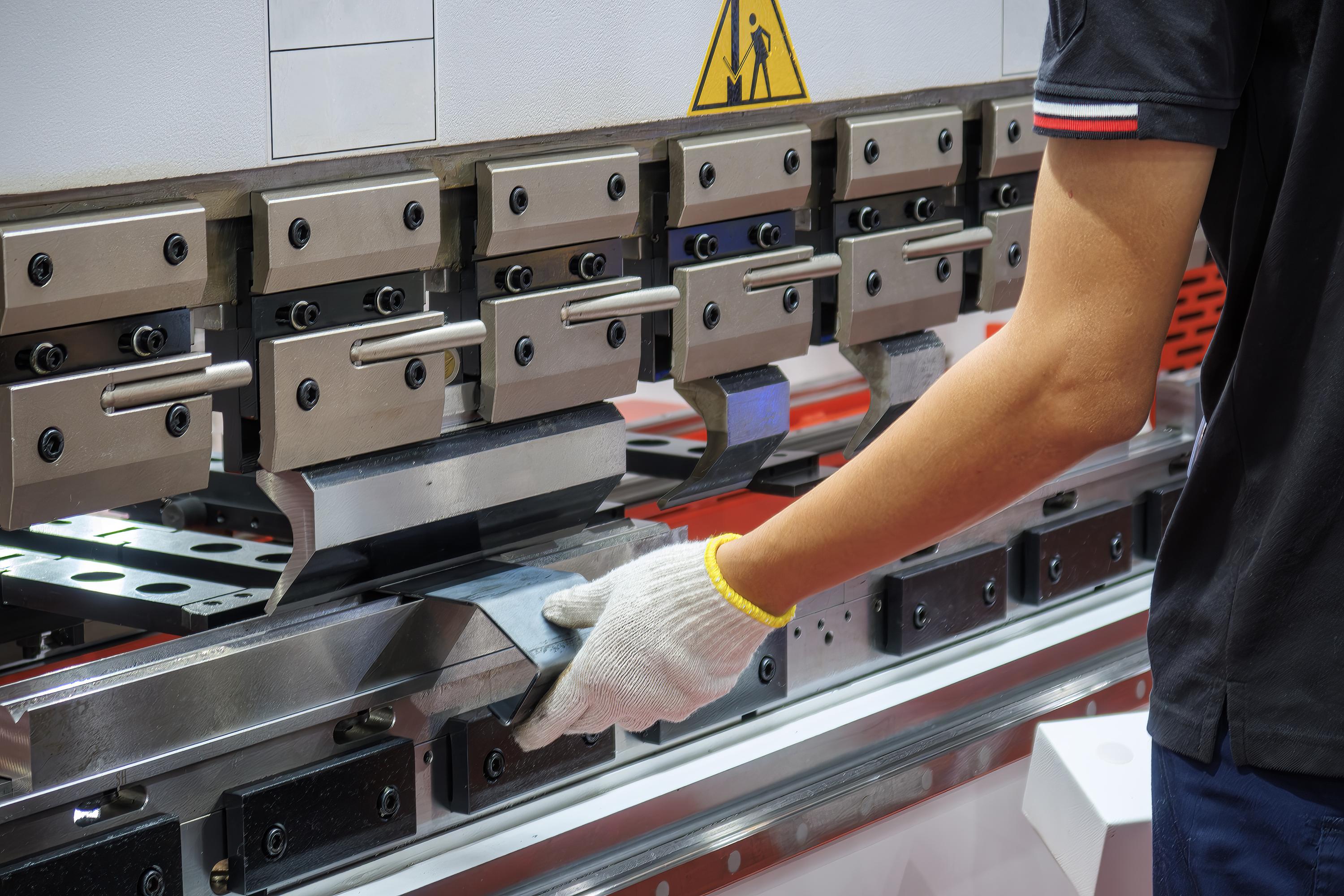
Choosing the right press brake also means understanding ongoing costs. Let’s look at how electric and hydraulic models compare in terms of operation and upkeep.
Energy Efficient Press Brake Options
Operating costs are a significant consideration. Electric press brakes are known for their energy efficiency. They use power only when in operation, reducing energy waste. This can lead to lower electricity bills and a smaller carbon footprint. Hydraulic models often run continuously, consuming more power over time. If sustainability and cost-saving are priorities, electric models may offer long-term benefits. However, if initial investment and energy costs are manageable, hydraulic brakes still serve many businesses well.
Press Brake Maintenance Best Practices
Maintenance is crucial for longevity. Electric press brakes typically require less maintenance due to fewer moving parts. This can mean lower upkeep costs and less downtime. In contrast, hydraulic press brakes need regular checks on the hydraulic fluid and seals. Neglecting this can lead to leaks or breakdowns, impacting production. Establishing a routine maintenance schedule can prevent unexpected issues, regardless of the model. Knowing the maintenance demands can help you plan better and keep your press brakes running smoothly.
Cost Implications and Finance Options
Financial planning is a part of any equipment purchase. Initial costs for electric press brakes can be higher. However, their efficiency can lead to savings over time. Hydraulic models may have a lower upfront price, but operational costs can accumulate. Exploring finance options might alleviate some pressure. Many suppliers, including World Machinery Shropshire, offer flexible financing to help manage costs. This can make acquiring the right press brake more accessible, aligning with your financial strategy.
Automation and Control Systems
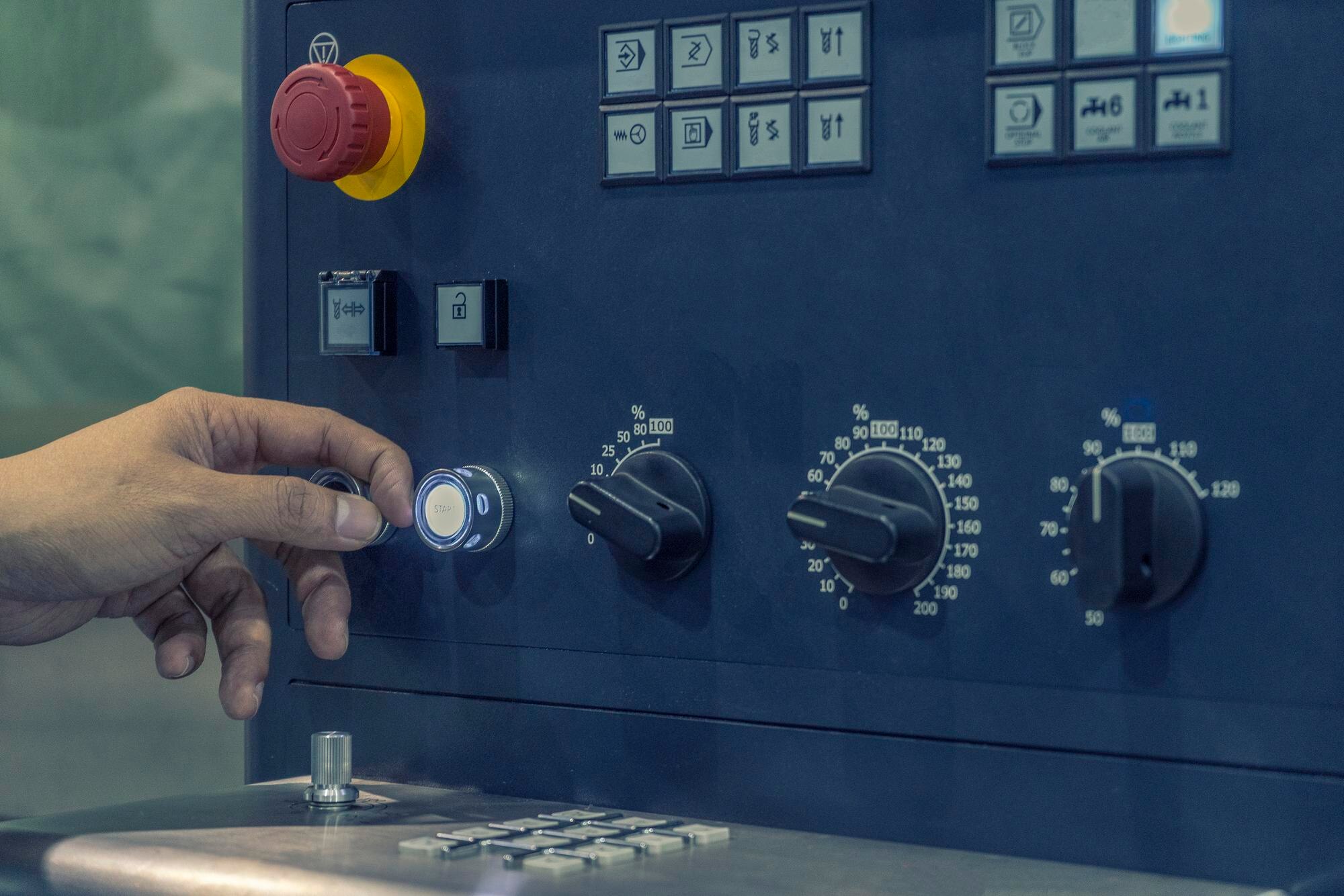
Automation is reshaping manufacturing. Let’s explore how it interacts with electric and hydraulic press brakes.
Automation for Press Brakes
Integration with automation systems can revolutionize production. Electric press brakes seamlessly integrate with advanced automation, streamlining operations. This can lead to consistent output with less human intervention, boosting efficiency. Hydraulic models can also be automated, though the integration might be less straightforward. If automation is a goal, electric press brakes align well with modern systems. However, hydraulic brakes can still be optimized with the right setup.
Delem Controller and Backgauge Accuracy
Control systems are the heart of modern press brakes. The Delem controller offers precision and ease of use, particularly in electric models. This enhances the operator’s ability to execute complex bends accurately. Backgauge accuracy is essential for both electric and hydraulic press brakes. Ensuring it meets your needs can prevent costly errors and rework. Evaluate your technical requirements to decide which system offers the best control and accuracy for your operations.
Crowning and Angle Measuring Systems
Crowning and angle measuring ensure accurate bends. Both electric and hydraulic models can be fitted with these systems, though implementation varies. Crowning systems adjust for material deflection, crucial for consistent angles. Angle measuring systems verify bends, reducing the need for manual inspection. If precision is critical, investing in these systems can enhance output quality. Consider your material and production requirements to determine which setup offers the best results.
In summary, choosing between electric and hydraulic press brakes involves weighing factors like precision, speed, capacity, and cost. By aligning your needs with the right technology, you can enhance your production efficiency and quality. For more insights, explore this detailed comparison and discover best practices for making your decision.