UK machinery supplier
Specification support for deburring, edge rounding and surface-finishing applications.

Industrial metal finishing · UK supply, installation and support
World Machinery supplies automatic deburring and edge-finishing machines for sheet-metal parts produced by fibre laser, plasma, oxyfuel, punch, shear and other cutting processes. Compare four working widths, retain the existing machine photography and demonstration video, and plan extraction, tooling, installation, training and ongoing support as one project.
For a useful recommendation, include the material, part dimensions, burr type, required edge radius or finish, current process, daily volume and available floor space.

Deburring range
Specification support for deburring, edge rounding and surface-finishing applications.
Match machine width, abrasive process and extraction to the real parts and desired finish.
Plan access, positioning, extraction connections, commissioning and operator handover.
UK support for planned maintenance, diagnostics, relocation and replacement parts.
Start with working width and part flow
Working width is one part of the decision. Material, thickness, burr severity, edge-rounding requirement, finish, extraction, abrasive tooling, feed direction and production volume should also be confirmed before the final configuration is ordered.
A compact route for smaller components and manufacturers introducing automatic deburring.
SR800 · 800mm working width 1000Additional working width for a broader mix of laser-, punch- and plasma-cut components.
SR1000 · 1000mm working width 1300A wider processing route for larger components, nested batches and more demanding production flow.
SR1300 · 1300mm working width 1500The widest listed model for manufacturers processing larger sheet-metal components.
SR1500 · 1500mm working widthIndustrial deburring machine range
The existing page lists SR800, SR1000, SR1300 and SR1500 models. Final configuration and price depend on the working width, process stations, abrasive tooling, extraction arrangement, material, part geometry, required finish, delivery and installation; request a current written quotation.
 Compact · 800mm
 An 800mm-width automatic deburring machine for smaller sheet-metal components and compact production areas.
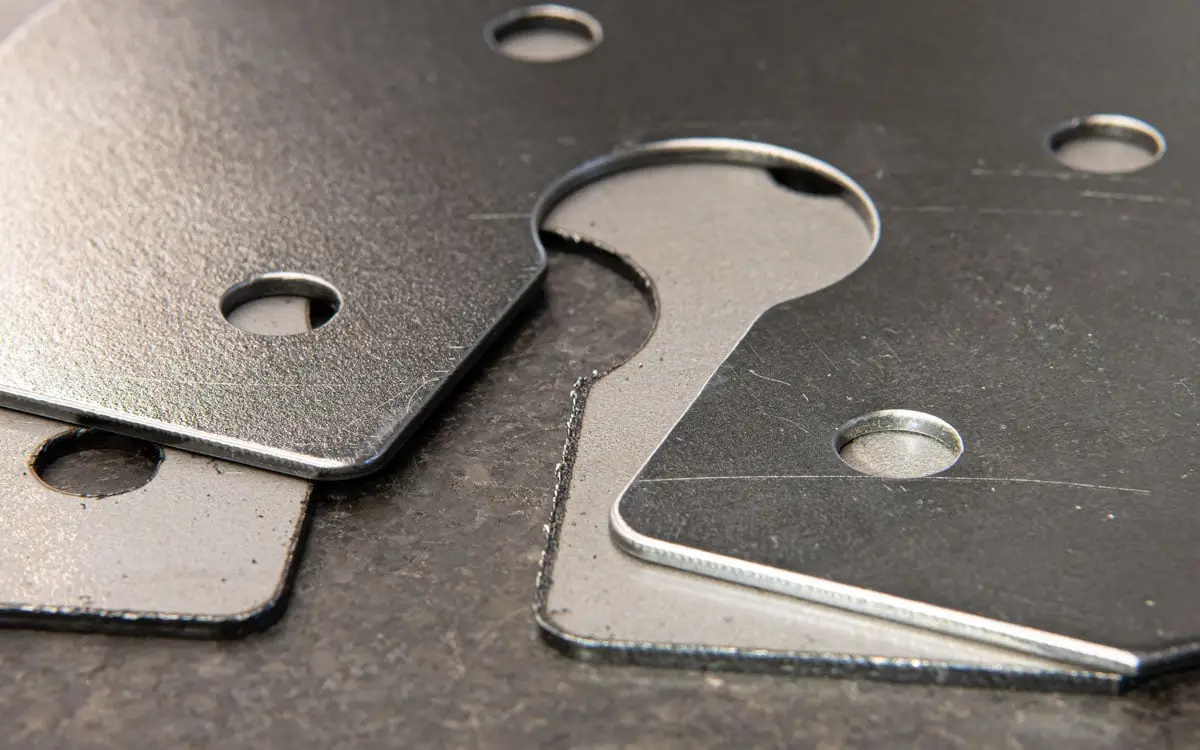 General fabrication · 1000mm
 A 1000mm-width machine for manufacturers processing a varied mix of laser-, punch-, shear- and plasma-cut parts.
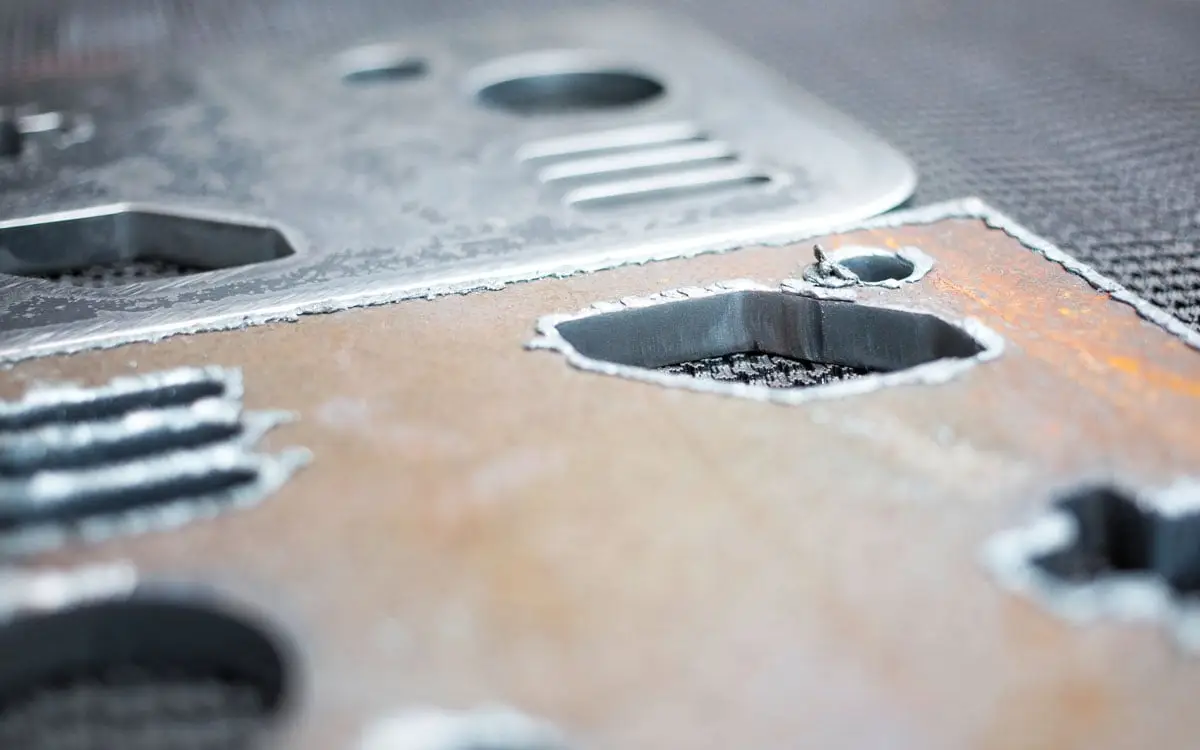 Wide format · 1300mm
 A 1300mm-width deburring and finishing platform for wider components and higher-volume fabrication workflows.
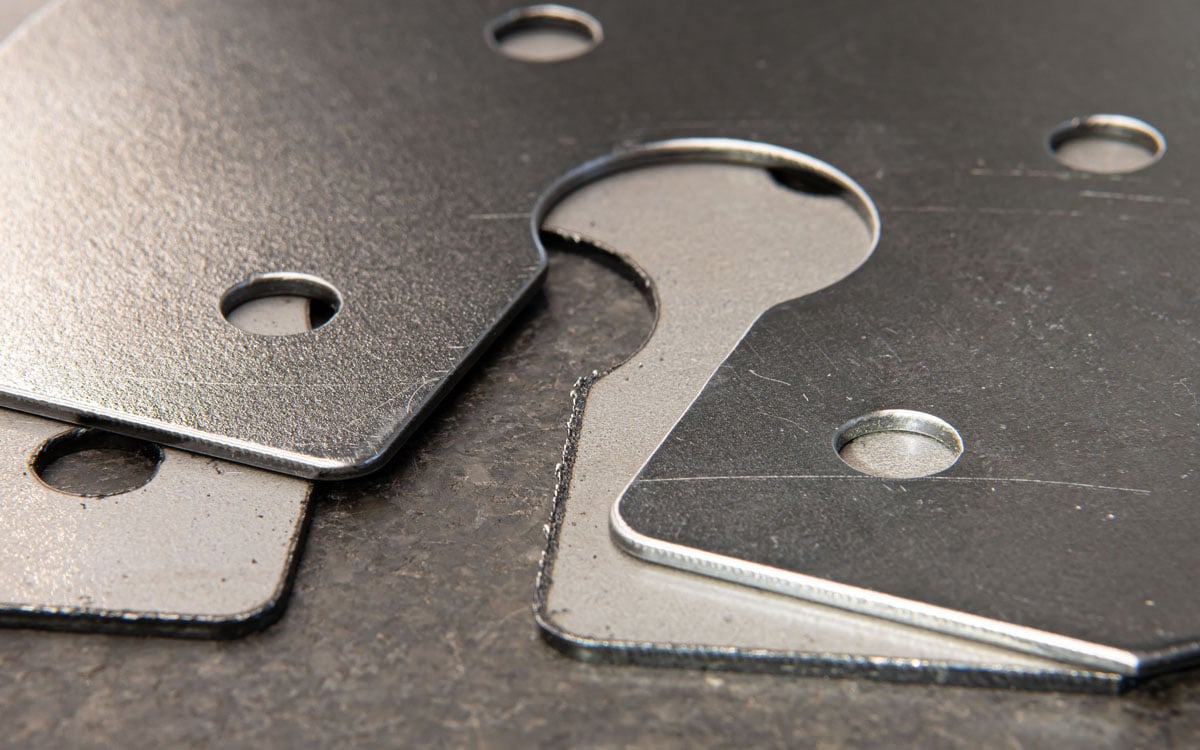 Large format · 1500mm
 A 1500mm-width machine for larger sheet-metal parts and production environments requiring the widest listed format.
See the finishing process
The redesign retains the video already used on this page. Use it to show the part moving through the machine and to explain how automatic processing can replace inconsistent hand finishing with a more repeatable workflow.
Existing World Machinery deburring-machine video retained from the current page.
From cut part to finished component
Automatic deburring can help remove sharp edges and irregularities left by laser, plasma, oxyfuel, punching, shearing and similar processes. The correct result depends on the burr, material, thickness, part geometry, process stations, abrasive tooling, feed speed and required finish, so representative sample parts should be reviewed before final specification.
Match the process to the part
A machine should be selected from real parts and an agreed finish standard. Heavy slag, light burrs, oxide, sharp edges and cosmetic surface finishing are different tasks and may require different stations, abrasives and operating settings.
Remove small burrs, soften sharp edges and prepare components for handling, coating, welding or assembly.
Review heavier burrs or slag separately and confirm the appropriate removal process before ordering.
Improve edge condition and consistency on components with burrs created by punching, shearing or similar fabrication.
Agree the required edge radius or safe-touch condition and validate it using representative parts.
Specify whether the objective is functional burr removal, directional grain, cosmetic finishing or preparation for a later process.
A practical specification route
Share the material, thickness, dimensions, cut process, burr severity, holes, protective film and finish requirement.
Agree what success means: burr removal, safe edges, a stated radius, oxide removal, cosmetic finish or preparation for coating and welding.
Confirm working width, process stations, tooling, feed, dust extraction, access, utilities and the intended production volume.
Coordinate delivery, positioning, extraction connection, test parts, operator training, maintenance routines and handover.
Support around the machine
The machine is only one part of a reliable finishing process. World Machinery can discuss installation, operator handover, maintenance, relocation, service support and possible machinery finance alongside the final equipment scope.
Use representative components to agree the required result and likely machine configuration.
Plan access, positioning, extraction connections, commissioning and safe operator routines.
Arrange planned maintenance, technical diagnostics, relocation support and replacement parts.
Explore potential machinery-finance routes, subject to application, status and lender approval.
Deburring-machine questions
These answers are a starting point. Final suitability and performance should be confirmed using representative parts, an agreed finish standard and a written machine specification.
Depending on its configuration, an automatic machine may remove cutting burrs, soften sharp edges, round edges and improve the surface condition of sheet-metal parts. Heavy slag, oxide removal and cosmetic finishing should be treated as separate requirements and confirmed during specification.
The current range page lists SR800, SR1000, SR1300 and SR1500 machines, corresponding to 800mm, 1000mm, 1300mm and 1500mm working widths. The largest part and its feed orientation should be checked before choosing a width.
The page describes applications after laser, waterjet, punch, plasma and flame cutting. The correct station and tooling depend on the material, thickness, burr severity and target finish, so sample parts should be reviewed.
The current World Machinery range describes each SR model as complete with dust extraction. The final extraction arrangement, installation requirements and suitability for the material and process should be confirmed in the written quotation.
Start with the maximum part width and feed orientation, then consider material, thickness, burr type, edge-rounding target, process stations, daily volume, floor space, extraction and future work. Choosing only from average part size can restrict later production.
A representative sample is the best way to discuss burr removal and the finish required. Include examples of the most difficult parts, the accepted finish standard, material details and expected throughput.
Maintenance depends on the machine and tooling but normally includes inspection and replacement of abrasives, cleaning, extraction checks, conveyor and brush inspection, lubrication where specified and scheduled safety checks. Follow the manufacturer schedule supplied with the machine.
A machinery-finance discussion may be possible. Any structure is subject to application, status, credit approval, lender terms and the final equipment package. Request current written figures.
Request a deburring recommendation
The most useful enquiry includes the material, thickness, maximum component dimensions, current cutting process, burr or slag condition, desired edge radius or surface finish, daily volume, current manual finishing time, available space and expected timescale.
Complete the part and process details below and the World Machinery team can discuss a suitable SR machine and configuration.