
Choosing the right press brake can make or break your production line. With options like electric press brakes, hydraulic models, and various control systems such as Delem or Cybelec, the decision demands clear insight. We’ll guide you through key factors like press brake tonnage, bending length, backgauge axes, and tooling choices. Read on to find the best fit for your sheet metal bending needs and secure a reliable, efficient solution. Book a demo or bend test today. https://rsm-machinery.com/technology/how-do-i-determine-the-right-size-press-brake-for-my-needs/.
Key Factors in Choosing a Press Brake
Understanding the essentials of press brakes is crucial before making a choice. Let’s dive into the specifics that will guide you in selecting the ideal machine for your operation.
Understanding CNC Press Brakes
CNC press brakes bring precision and flexibility to your production line. These machines use computer numerical control (CNC) to manipulate metal with high accuracy. You can program these machines for intricate bends, ensuring each job meets exact specifications. The programming capability means less manual intervention, which reduces errors and increases production speed. When using a CNC press brake, you achieve uniformity in every piece, making it a preferred choice in many industries. The ability to store programs allows for quick setup changes, perfect for businesses with diverse production needs.
Assessing Press Brake Tonnage Needs
Tonnage is a key factor in press brake selection. It determines the bending force the machine can exert on metal. A higher tonnage enables bending of thicker materials. For instance, a 100-ton press brake can handle different thicknesses compared to a 50-ton model. This is crucial if your production involves varying material types. The right tonnage ensures you achieve precise bends without straining the machine. It’s important to match the press brake tonnage to your material needs to maintain efficiency and machine longevity. Overloading can damage the equipment, while underutilizing may lead to inefficiencies.
Evaluating Bending Length Requirements
Bending length plays a significant role in your press brake choice. It affects the size of metal sheets you can work with. For instance, if your projects involve long sheets, a longer bending length is necessary. This ensures full flexibility in handling larger pieces without additional setups. Consider your typical project sizes when evaluating bending length. A machine with an appropriate length prevents the need for repositioning, saving valuable production time. It’s about finding the balance that meets your immediate and future production requirements.
Press Brake Features to Consider
Now that we’ve covered the basics, let’s look at specific features that enhance press brake performance, offering more precision and control.
Exploring Backgauge Axes Options
The backgauge is an essential component for positioning metal accurately. Different press brakes offer various axes, impacting versatility. A multi-axis backgauge increases control over the bend process, accommodating complex shapes. This feature is vital for intricate designs where precision is key. The more axes available, the more precise and varied the bend options. This flexibility is particularly beneficial in custom fabrication environments. Investing in a press brake with advanced backgauge options pays off in quality and adaptability.
Importance of Dynamic Crowning
Dynamic crowning adjusts pressure along the bed, ensuring uniform bends across longer pieces. Without it, you risk inconsistent bends, especially in the middle of the sheet. This feature compensates for deflections, maintaining accuracy. It’s essential for projects requiring high precision like air bending or bottoming. Think of dynamic crowning as a safeguard for consistency in every bend, reducing wastage and rework. If precision is a priority in your projects, this feature should be non-negotiable.
Choosing the Right Controller: Delem, Cybelec, ESA
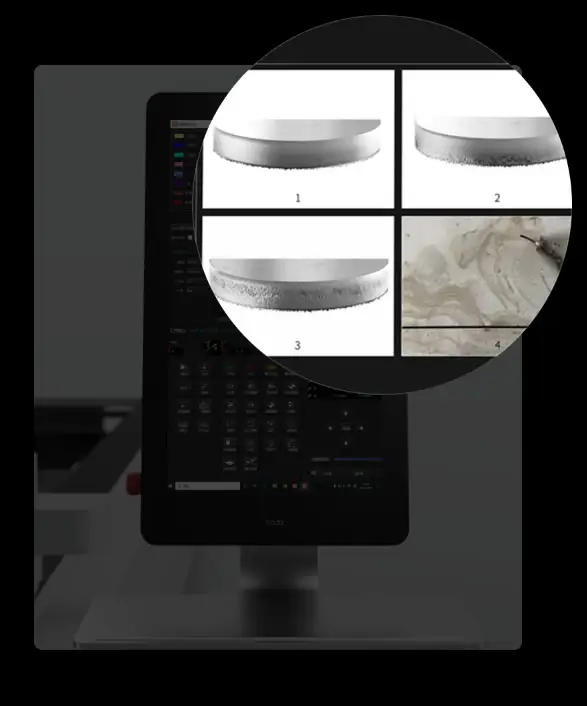
Controllers determine how you interact with your press brake. Delem, Cybelec, and ESA are popular choices, each offering unique interfaces and functionalities. Delem controllers are known for user-friendly interfaces and robust performance. Cybelec controls offer advanced graphics and intuitive programming, ideal for complex tasks. ESA controllers provide flexibility with open programming options. Your choice should match your operational needs and staff expertise. A familiar, easy-to-use controller minimizes training time and maximizes productivity.
Enhancing Press Brake Efficiency
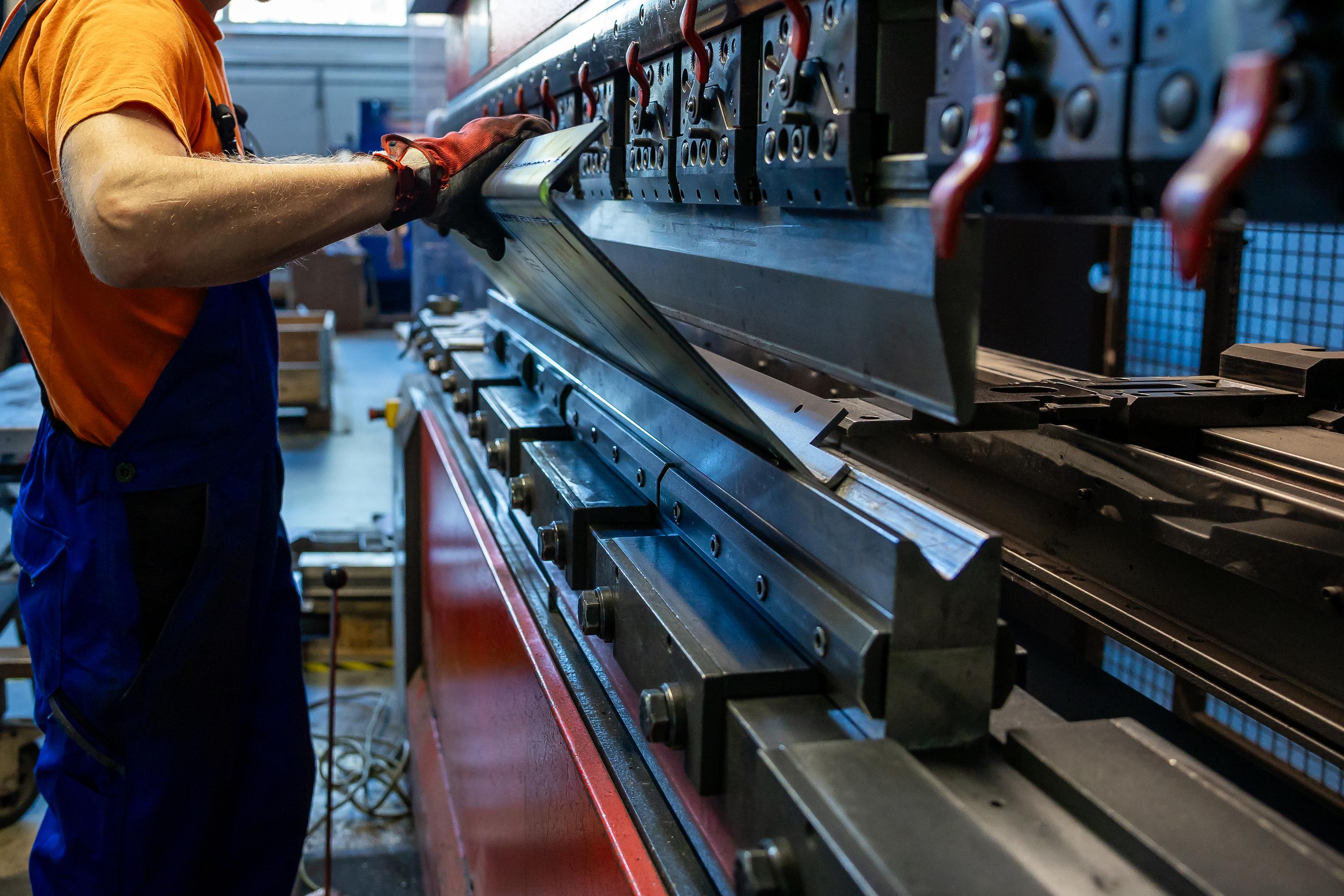
Efficiency is crucial in any production environment. Here’s how certain features can streamline your operations, saving time and reducing costs.
Benefits of Electric and Hydraulic Drives
Electric press brakes offer energy efficiency, quieter operation, and precise control. They are ideal for facilities focusing on sustainability. Hydraulic press brakes, in contrast, provide robust force and are better suited for heavy-duty tasks. Each type has its pros and cons, dependent on your specific needs. Choose electric for precision and environmental benefits, while hydraulic is best for raw power and versatility. Evaluating your production demands will guide the choice between these two drive types.
Utilizing Angle Measurement Systems
Angle measurement systems enhance accuracy by providing real-time feedback. This technology ensures each bend meets specifications, reducing errors. Systems like Lazersafe offer advanced protection and precision in high-speed environments. They are particularly useful in operations where precision is non-negotiable. Implementing these systems increases efficiency and reduces the need for manual checks. The result is a smoother production flow with fewer disruptions.
Importance of Press Brake Tooling Choices
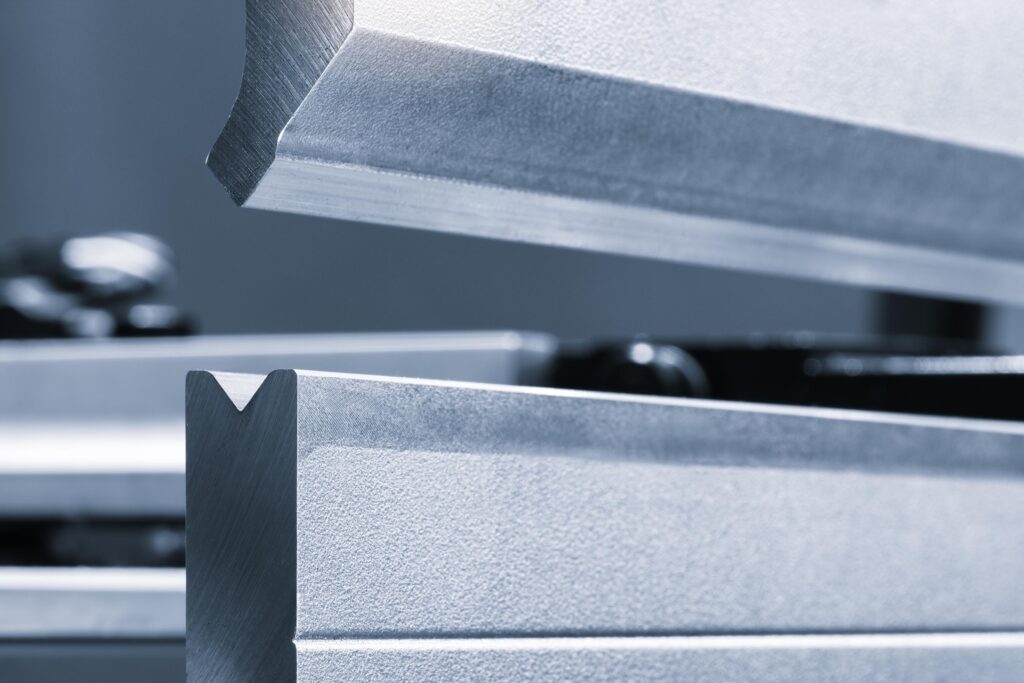
Tooling affects the quality and speed of your operations. The right press brake tooling can make a significant difference in production results. Consider tools designed for specific tasks like air bending or bottoming. The choice of tooling impacts bend allowance and the overall quality of the finished product. Investing in high-quality tooling is an investment in the reliability and efficiency of your bending process. Choose wisely, as this affects both short-term productivity and long-term machine health.
For more insights on press brake tooling, check out The Fabricator’s guide.
Choosing the right press brake involves evaluating your specific needs and understanding the features that will provide the most benefit. With careful consideration, you can ensure a seamless, productive operation that enhances your business’s capabilities.