
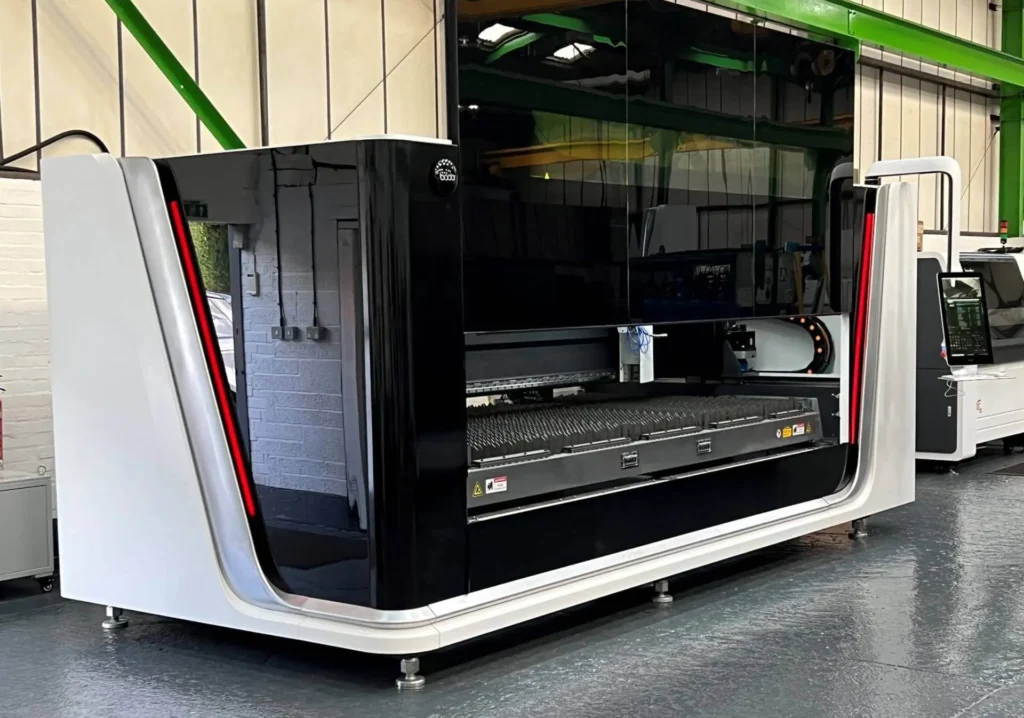
Used metalworking machinery can save you money, but hidden risks often cause costly downtime. Skipping key checks on used CNC machines UK, fibre lasers, or press brakes leads to unexpected repairs and lost production. Our used metalworking machinery checklist guides you through essential inspections like machine accuracy tests, CE UKCA compliance, and service history verification. Download the checklist and book a no obligation pre purchase inspection with our team here. We will verify accuracy, safety, and ROI before you commit.
Essential Pre-Purchase Inspections
Before purchasing used metalworking machinery, it’s crucial to conduct certain inspections. These checks ensure you invest wisely and avoid unexpected issues down the line. Here’s what to focus on:
CNC Machine Accuracy Test
When considering a used CNC machine, accuracy is key. You should perform a machine accuracy test to determine how precisely the equipment operates. This involves testing for positional accuracy and repeatability using tools like a ballbar test. Don’t overlook this step, as even minor deviations can lead to significant production issues. Confirm that the machine’s backgauge repeatability meets your standards. This ensures that every cut and bend is consistent, which is vital for maintaining quality in production.
Laser Hours and Chiller Health
For a used fibre laser cutter, understanding the machine’s hours of operation is critical. The number of laser hours gives you insight into how much wear the machine has experienced. Additionally, assess the chiller’s health. The chiller maintains optimal operating temperatures, preventing overheating that could compromise laser performance. Regular maintenance records for the chiller indicate how well it’s been cared for, impacting the overall lifespan of the laser cutter.
Press Brake Crowning and Alignment
Press brakes need precise alignment to function effectively. Check the press brake crowning and ram alignment. Crowning helps ensure that the bend is consistent across the length of the workpiece, while proper alignment prevents uneven bends. Inspecting these elements is crucial for achieving precise and consistent bends, which are essential for quality manufacturing outcomes.
Safety and Compliance Checks
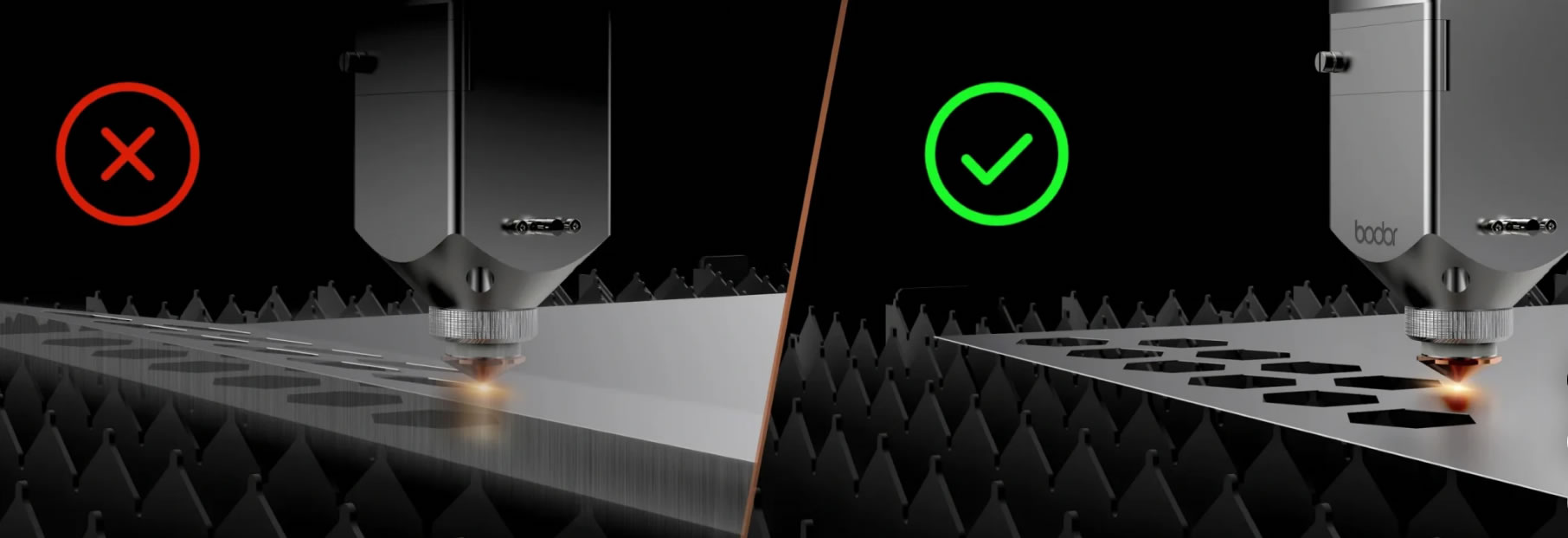
Safety and compliance checks are non-negotiable when acquiring used machinery. They protect your business from legal issues and ensure the safety of your workforce.
CE UKCA Compliance
Make sure your machinery complies with CE UKCA standards. These certifications demonstrate that the equipment meets safety, health, and environmental protection requirements. Documentation proving compliance should be available. Without it, you’re risking potential legal troubles and safety hazards. It’s a crucial step for ensuring that the equipment can be used legally and safely in the UK.
PUWER Assessment
Conduct a PUWER assessment to ensure that the equipment is safe for use. PUWER stands for the Provision and Use of Work Equipment Regulations, which require machinery to be suitable for its intended use, regularly maintained, and safely operated. This assessment is mandatory, and neglecting it could lead to severe penalties and accidents.
Service History Verification
Review the machine’s service history. This includes maintenance records and any past issues. A well-documented service history indicates that the previous owner took care of the machinery, which can enhance its reliability. It also helps you predict potential future maintenance needs and costs.
Post-Purchase Support Services
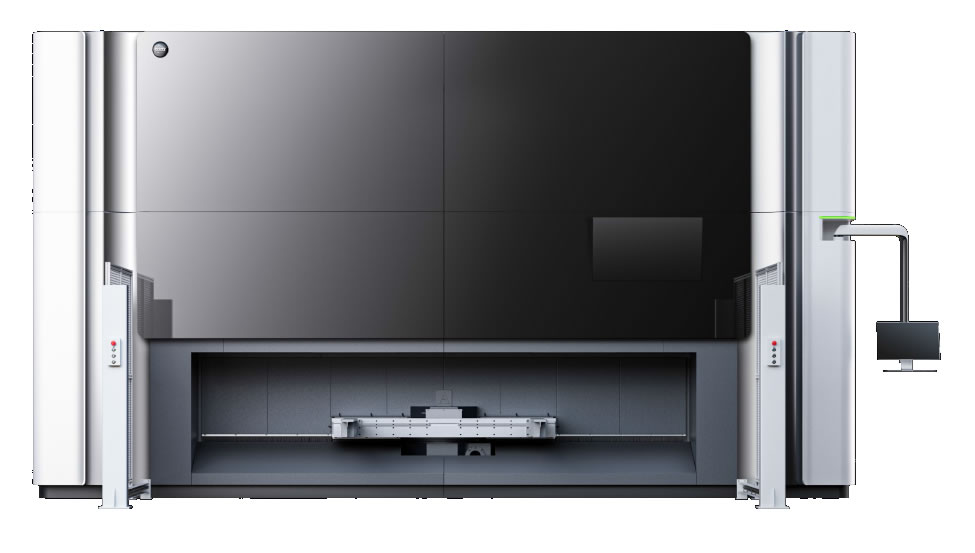
After purchasing, having access to support services can significantly enhance your investment. Here’s what you should look for:
UK Based After Sales Support
Having reliable UK-based after-sales support is invaluable. It ensures that any issues with your machinery can be quickly addressed. Local support means faster response times, reducing downtime and maintaining productivity. This support can include troubleshooting, repairs, and even regular maintenance checks to keep your machinery in top condition.
Flexible Machinery Finance Options
Consider the benefits of flexible machinery finance. These options allow you to invest in necessary equipment without straining your finances. Look for financing plans that offer competitive rates and terms that align with your budget. This flexibility can make it easier to acquire the machinery you need for your operations.
Operator Training CNC
Investing in operator training for CNC machines is crucial. Well-trained operators can maximize the machine’s potential, ensuring efficient and safe operation. Training programs should cover both basic and advanced machine functions, enabling your team to handle any challenges that arise. This not only improves productivity but also enhances safety and reduces the likelihood of costly mistakes.
Frequently Asked Questions
What should I check when buying a used CNC machine?
When buying a used CNC machine, check the machine’s accuracy, service history, and overall condition. Conduct a ballbar test to ensure positional accuracy and inspect for any signs of wear.
Why is CE UKCA compliance important for machinery?
CE UKCA compliance is crucial as it confirms the machinery meets UK safety and environmental standards. Using non-compliant machinery can lead to legal issues and safety hazards.
How do I verify a machine’s service history?
Request maintenance records from the seller. A detailed service history provides insights into how well the machine has been maintained and any recurring issues it might have had.
What are the benefits of local after-sales support?
Local after-sales support ensures quick response times for troubleshooting and repairs, minimizing downtime and maintaining productivity in your operations.
How can operator training improve CNC machine usage?
Operator training enhances machine efficiency and safety by equipping users with the skills to operate machinery effectively, reducing errors and increasing productivity.