
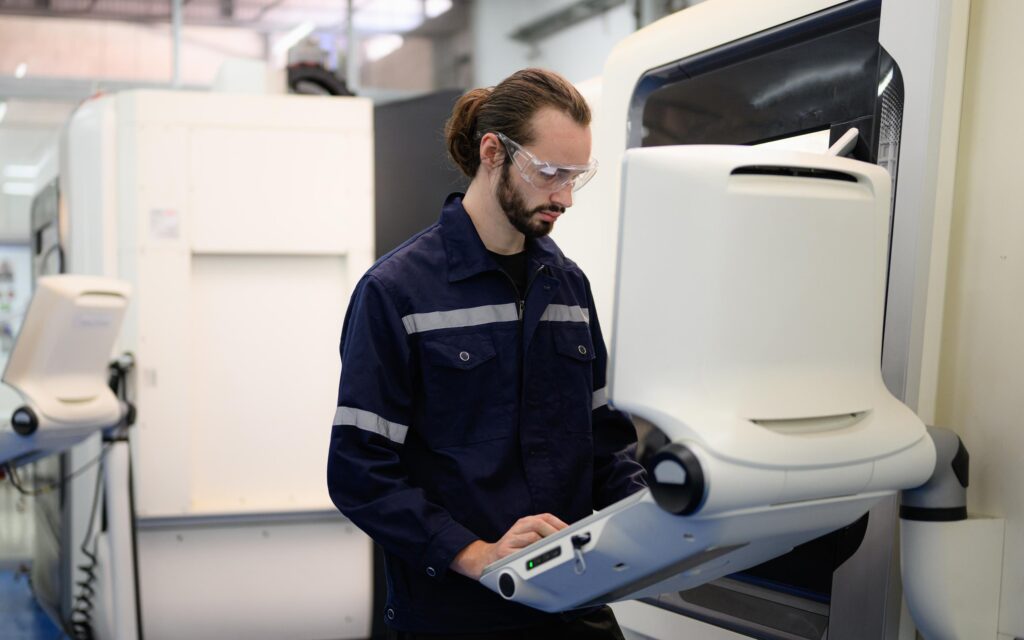
Most manufacturers know preventive maintenance CNC is crucial, yet many struggle to build a solid metalworking machinery maintenance plan. Skipping key steps like laser optics cleaning and alignment or ballbar test and axis calibration can lead to costly downtime. This guide breaks down how to create a clear press brake maintenance schedule and CNC machine maintenance checklist that keeps your production running smoothly. Book a free maintenance planning consultation with our UK service team today. For more tips on maintaining your metalworking machinery, visit https://www.practicalmachinist.com/forum/threads/preventative-maintenance-package.266646/.
Building a Preventive Maintenance Plan
Starting with a proper plan ensures your machinery operates smoothly. Here’s how to establish a foundation for effective maintenance.
Assessing Machinery Needs
Identifying what your machinery requires is the first step. Start by listing all equipment and noting each one’s specific needs. Regular checks help pinpoint wear and tear, preventing unexpected breakdowns. Think about usage frequency and conditions. Machines under heavy use need more attention. This approach minimizes surprises, ensuring productivity remains high.
Setting Up a PPM Contract
A Planned Preventive Maintenance (PPM) contract outlines scheduled maintenance tasks. It’s like a pact between you and your machines. By scheduling regular checks, you reduce emergency repairs. Collaborate with your provider to customize a contract that fits your needs. This tailored approach ensures every piece of equipment receives the care it requires, extending its lifespan.
Integrating CMMS for Efficiency
Computerized Maintenance Management Systems (CMMS) streamline your maintenance processes. These systems track maintenance schedules, alerting you when it’s time for a service. They record all activities, helping you spot trends and plan better. Implementing a CMMS might seem daunting, but the long-term benefits outweigh the initial setup effort. This system ensures nothing slips through the cracks.
Key Maintenance Practices for CNC and Lasers
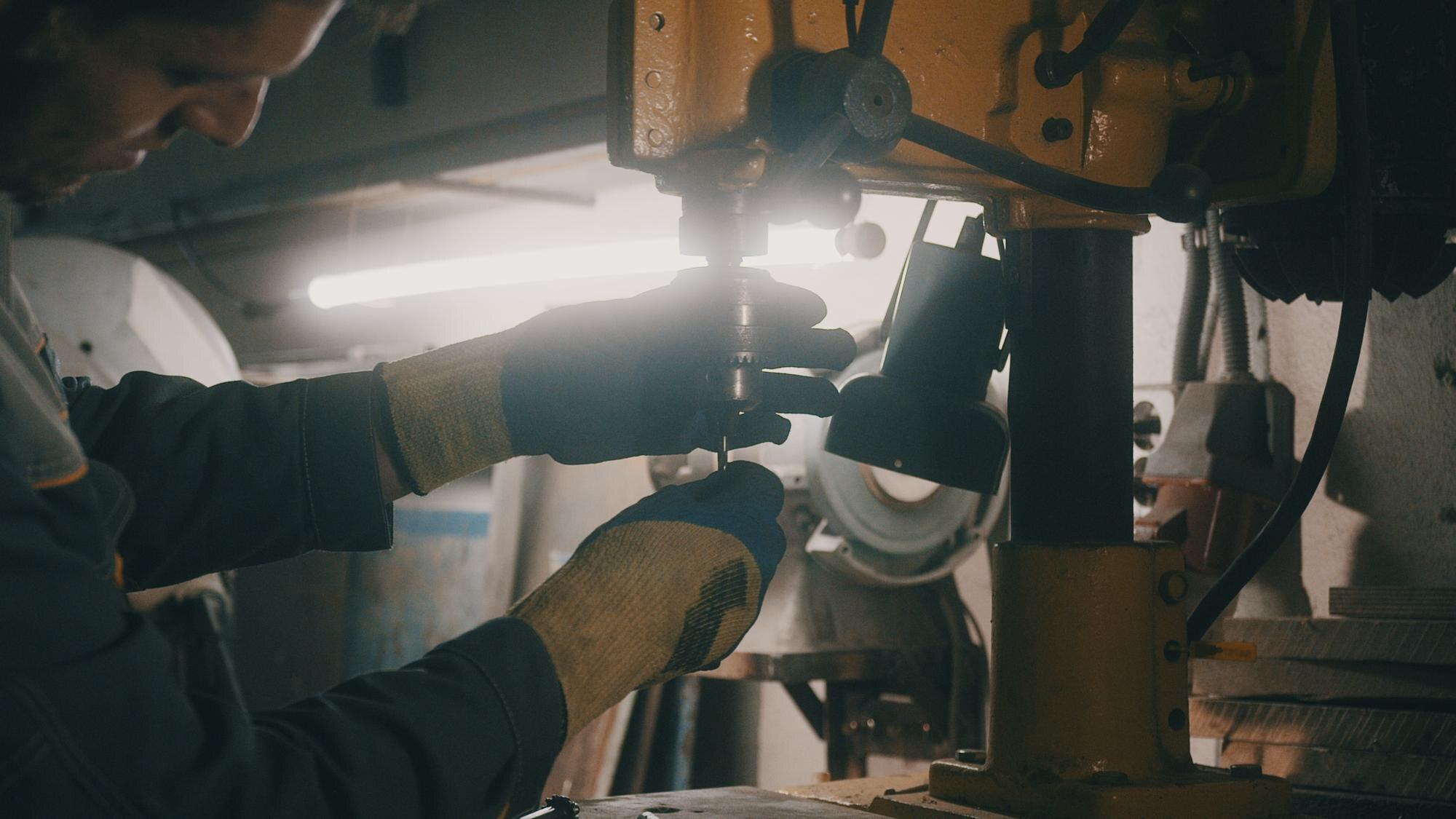
Effective maintenance involves specific practices tailored to your machines. Here’s how to focus on CNCs and lasers.
CNC Machine Maintenance Checklist
Regular checks ensure your CNC machines run flawlessly. Start with daily tasks: clean surfaces and remove debris. Weekly checks should include inspecting belts and lubricating moving parts. Monthly, look at more detailed items like electrical connections and control systems. This checklist helps prevent common issues, keeping your production on track without hiccups.
Laser Optics Cleaning and Alignment
Keeping laser optics clean is crucial for precision. Dirt and dust can cause misalignment, affecting your cut quality. Use a soft cloth and lens cleaner, gently wiping the lenses. Regular alignment checks ensure the laser hits its mark every time. Clean optics mean accurate cuts, saving you time and material. For further guidance, see tips for maintaining your metalworking machinery.
Fiber Laser Chiller Maintenance
Chillers keep your laser cool, preventing overheating. Check fluid levels and quality regularly. Low fluid can lead to overheating, risking machine damage. Clean the chiller’s filters to ensure efficient cooling. This simple maintenance step protects your laser, ensuring it operates at peak performance. For more information on maintaining your equipment, check machine maintenance tips.
Enhancing Performance of Press Brakes
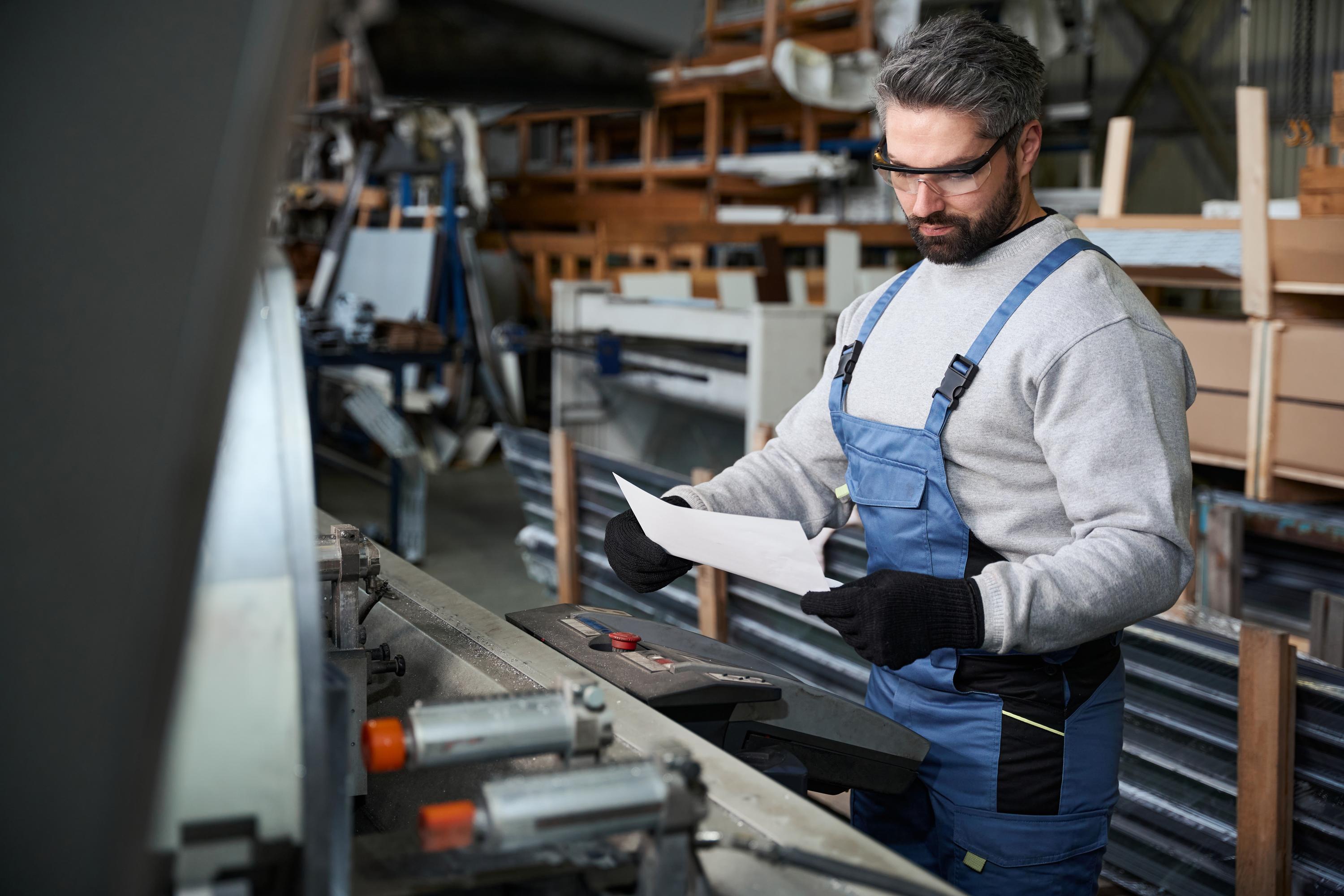
Proper maintenance boosts your press brakes’ performance. Here’s how to keep them in top shape.
Press Brake Maintenance Schedule
A clear schedule keeps your press brakes reliable. Daily, inspect for oil leaks and clean the exterior. Weekly, check the hydraulic system and lubricate moving parts. Monthly, examine electrical components and test safety systems. This schedule ensures your brakes deliver consistent performance, minimizing downtime.
Electric Press Brake Maintenance
Electric press brakes offer efficiency and precision. Regular checks on the electrical system are crucial. Inspect connections and cables for wear. Clean and lubricate moving parts to prevent friction. These maintenance tasks keep your press brakes running smoothly and efficiently, reducing energy use and enhancing output quality.
Operator Maintenance Training
Training operators on basic maintenance tasks empowers them to keep machines in good condition. Teach them to recognize signs of wear and perform simple checks. This proactive approach helps catch issues early, preventing costly repairs. Well-trained operators contribute to longer machine life and smoother operations.
Frequently Asked Questions
What is the best way to maintain CNC machines?
The best approach involves regular cleaning, inspection, and lubrication. A detailed checklist helps ensure all maintenance tasks are completed.
How often should laser optics be cleaned?
Clean laser optics regularly, ideally once a week, to maintain precision and prevent misalignment.
What are the key maintenance tasks for press brakes?
Key tasks include checking for oil leaks, inspecting the hydraulic system, and lubricating moving parts to ensure consistent performance.
Why is CMMS important in maintenance planning?
CMMS helps track and schedule maintenance tasks, ensuring nothing is missed and improving overall efficiency.
How can operator training improve machine maintenance?
Training empowers operators to perform basic maintenance, recognize early signs of wear, and prevent major issues, enhancing machine longevity.