
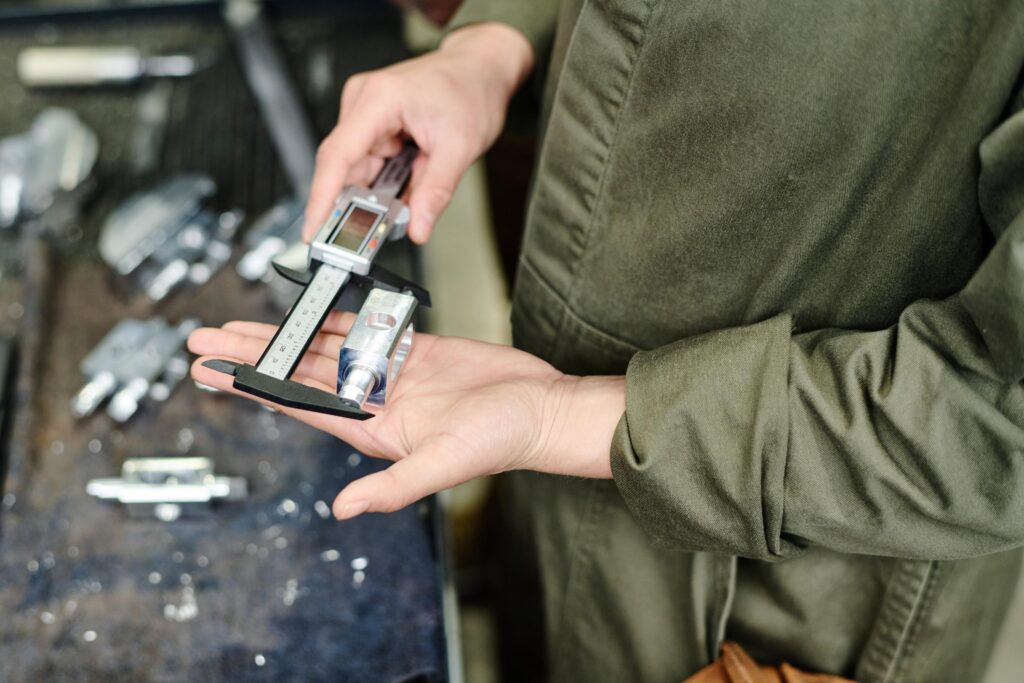
Buying used metalworking machinery can save costs but carries hidden risks. Overlooking key checks like spindle runout or hydraulic system health leads to costly downtime. This guide highlights what to inspect first, from CNC inspection checklists to laser resonator hours, so your purchase performs reliably. Contact our engineering team to book a used machine assessment, request our inspection checklist, or arrange a demo today.
Key Inspections for Used Machinery
Looking at used metalworking machinery requires attention to detail. Begin with pinpointing possible issues in CNC machines and fiber lasers to ensure you get the best out of your purchase.
Assessing Used CNC Machines UK
When checking used CNC machines, start with a thorough inspection. First, you’ll want to look at the machine’s overall condition. Inspect for any obvious wear and tear. Next, check the CNC inspection checklist for guidance. This list will guide you on what to check: from spindle condition to CNC software updates.
Focus on the machine’s history of usage. Ask for records showing service history and previous maintenance. Know how often the machine was used and for what applications. This insight reveals potential wear areas and indicates its reliability.
Finally, don’t shy away from asking for a demo. See the machine in action to spot any operational hiccups. This hands-on approach helps confirm everything is functioning as expected.
Inspecting Used Bodor Fiber Laser
Fiber lasers are powerful tools, so it’s vital to ensure they’re in top condition. Begin by examining the optics and beam delivery system. Damaged optics can lead to poor cutting quality, so pay attention to any scratches or discolorations. This inspection step ensures you get clean, precise cuts every time.
Consider the machine’s laser resonator hours. High hours may mean the laser is nearing the end of its effective life. Check industrial machine inspection resources to know what to expect. This information## Key Inspections for Used Machinery
When buying used metalworking machinery, thorough inspection is crucial to avoid future headaches. Knowing what to look for can save you time and money.
Assessing Used CNC Machines UK
The first step is checking the CNC machine’s overall condition. Look at the machine’s history: Has it been maintained well? Regular maintenance records can reveal a lot about its past life. Next, evaluate the software and control systems. Are they up-to-date? Check for compatibility with your shop’s current systems to prevent integration issues. Don’t forget to examine the machine’s geometry and calibration. The CNC inspection checklist is a handy tool for this task. Lastly, consider the machine’s physical components. Look over the table and bed condition to ensure there are no major damages that could affect your work.
Inspecting Used Bodor Fiber Laser
When it comes to fiber lasers, the laser resonator hours are a critical metric. These hours indicate how much the machine has been used and can signal when major maintenance might be needed. Inspect the optics and beam delivery systems for any signs of wear or misalignment. These factors are vital for maintaining precision in your cuts. Check the electrical cabinet condition as well, ensuring that all wiring and connections are intact. Lastly, make sure the machine has been serviced regularly. A well-maintained fiber laser is less likely to suffer from unexpected downtime.
Critical Machine Components

Understanding the intricacies of your machine’s components can help you identify potential issues before they become costly problems.
Ball Screw Backlash Check
Ball screw backlash can lead to inaccuracies in your work. Test this by checking the machine’s response to input changes. If there’s too much play, it might indicate wear or damage. Regularly checking for backlash ensures precision in your projects. It’s essential to tackle this early to prevent further issues. In some cases, a simple adjustment might solve the problem, while others may require more detailed repairs.
Evaluating Spindle Runout Test
The spindle is a core component of your CNC machine. Runout tests can detect misalignments or wear that might affect performance. Conduct a spindle runout test by measuring the deviation of the spindle. If there’s more than a minimal deviation, it could affect your work’s accuracy. Regular tests can help catch issues early, saving you from expensive repairs later. If you notice significant runout, it might be time to consider a replacement or professional alignment.
Axis Repeatability Analysis
Axis repeatability is crucial for consistent results. Conduct an axis repeatability analysis by running the machine through a series of repeat operations. The results should be consistent. If there’s a variation, it might signal an underlying issue. Repeatability tests ensure your machine delivers precise outcomes every time. Addressing any discrepancies promptly can prevent larger accuracy issues down the line.
Essential Maintenance and Support

A well-maintained machine is a reliable machine. Ensure your investment lasts with proper upkeep and support.
Service History Verification
Knowing a machine’s service history can provide insight into its longevity and reliability. Verify its records: regular service can mean a longer lifespan. Machines with sporadic service history might be more prone to issues. Look for detailed logs of past maintenance. A machine with a well-documented history is often a safer purchase, reducing the risk of future breakdowns.
Hydraulic System Health Check
Hydraulics are vital for many machines. A health check ensures they function correctly without leaks or pressure issues. Inspect the hydraulic systems for any wear signs. Regular checks can prevent sudden failures, which can halt your operations. Address any issues immediately to ensure your machine operates smoothly.
UK After-Sales Support Benefits
After-sales support is a safety net for your investment. With UK-based support, you can expect quick, reliable assistance. This ensures minimal downtime and keeps your operations running smoothly. Access to expert advice and spare parts when needed is invaluable. Having a reliable partner for support can significantly enhance your machine’s lifespan and performance.
Frequently Asked Questions
What should I look for when buying used CNC machines?
Inspect the machine’s history, software, and physical components. Ensure regular maintenance is documented and check for compatibility with your shop’s systems.
Why are fiber laser resonator hours important?
Resonator hours indicate usage levels and help predict when major maintenance might be needed. High hours might signal upcoming service requirements.
How can I check for ball screw backlash?
Test the machine’s response to input changes. Any excess play can indicate wear or damage, which affects precision. Regular checks are advised to maintain accuracy.