
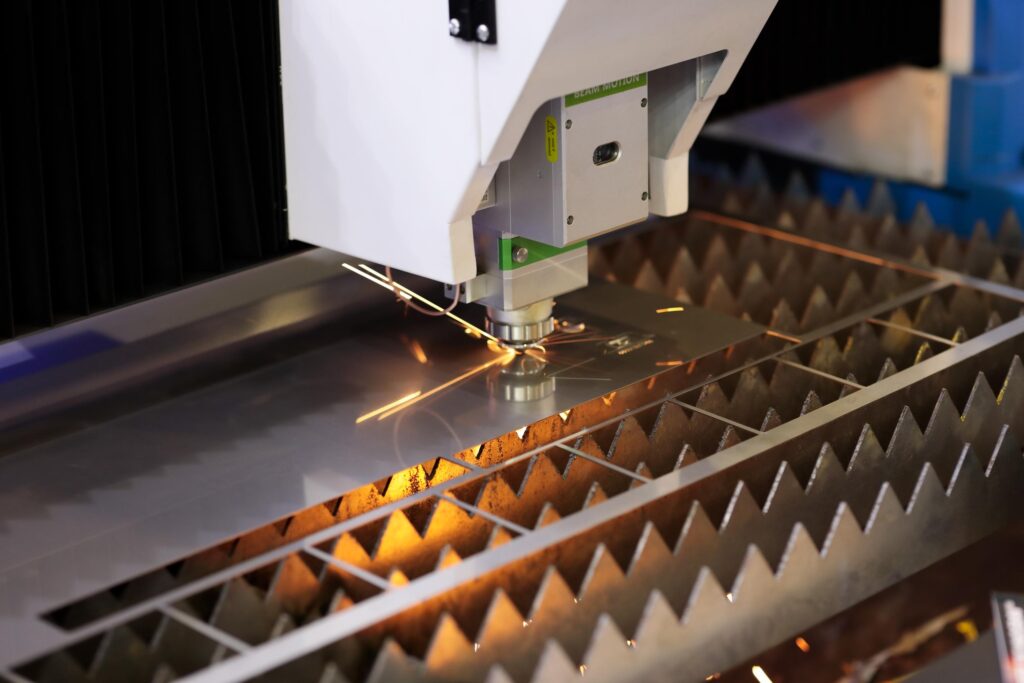
Choosing the right fiber laser can make or break your fabrication workflow. Picking the wrong machine wastes time, money, and cuts into your profits. This fiber laser buying guide breaks down key factors from power options like 6kW and 12kW, to automation and maintenance support. Read on to find the best fit for your shop—and learn how World Machinery (Shropshire) Ltd backs every purchase with expert demos, quotes, and UK-based service. Request a tailored demo and ROI quote today.
For more information, visit World Machinery Ltd.
Choosing the Right Fiber Laser
When it comes to selecting a fiber laser, understanding your unique needs is crucial. You need to consider various factors to ensure you’re making the best choice for your fabrication business.
Evaluate Your Cutting Needs
Begin by assessing what your shop needs to cut. Different materials and project types require specific features. Consider the materials you work with most often and the precision you need. For example, if you frequently cut stainless steel or aluminum, you’ll need a laser that offers clean edges and minimal heat damage. Knowing your exact requirements helps you choose a machine that enhances your productivity and meets your operational goals.
Understanding your production volume is another important step. Are you handling large production runs or smaller, custom jobs? A machine that quickly switches between tasks may be beneficial for custom work, while high-speed capabilities might be more important for larger batches. Think about your long-term needs as well. As your business grows, your cutting requirements might change, so choose a machine that can adapt with you.
Power Options: 6kW vs 12kW
The power of your laser impacts both speed and precision. A 6kW laser suits many standard tasks, offering a balance between power consumption and cutting ability. It’s ideal for thinner materials and provides reliable performance without excessive energy use. If you often cut thicker materials or need faster processing times, a 12kW option might be more suitable. It allows for quicker cuts and can handle demanding tasks with ease.
Consider the investment cost too. While 12kW lasers offer more power, they come with a higher price tag. Evaluate your budget against your business needs. Determine whether the increased capability will provide a return on investment through faster production times or the ability to take on more complex projects. This decision can significantly impact your overall efficiency.
Understanding Laser Cutting Automation
Automation in laser cutting can revolutionize your workflow. By integrating automation, you reduce manual intervention, which leads to increased accuracy and throughput. Automated systems can handle repetitive tasks, freeing up your workforce for more complex operations. This increases efficiency and can lead to significant cost savings over time.
It’s important to assess how automation fits into your existing processes. Automated loading and unloading capabilities, for example, streamline the workflow and minimize downtime. This means more consistent production rates and less chance for human error. With automation, you can achieve better repeatability and maintain a steady production pace, ultimately enhancing your operational output.
Key Considerations for UK Fabricators
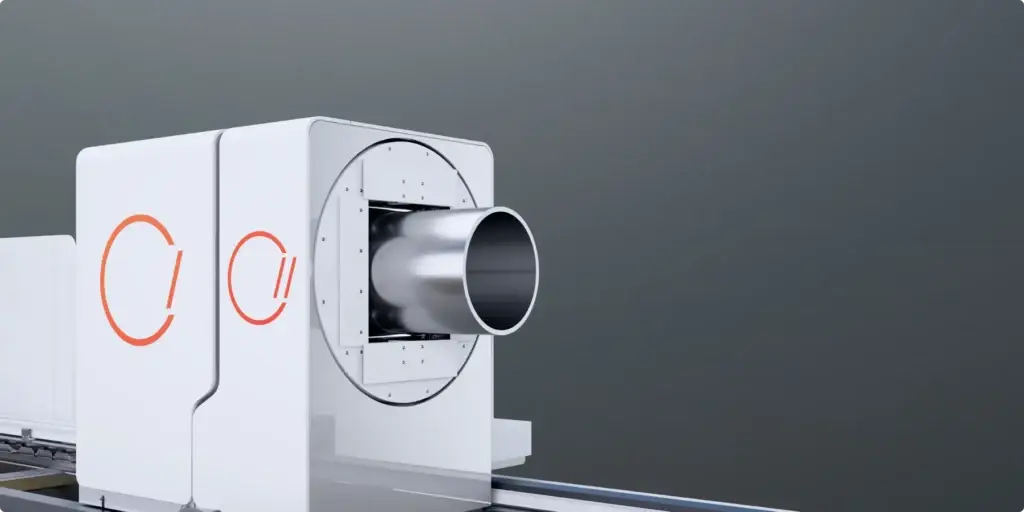
For UK fabricators, several specific factors come into play when investing in a fiber laser. Understanding these can help you make a more informed decision.
Total Cost of Ownership Factors
Purchasing a laser is a significant investment, so understanding the total cost of ownership is crucial. Beyond the initial purchase price, consider ongoing expenses like maintenance, energy consumption, and consumables. These costs add up over the lifetime of the machine and can impact your overall profitability. Evaluate how these expenses compare across different models and brands to ensure you’re getting the best value.
Another aspect to consider is the machine’s lifespan and reliability. Investing in a high-quality laser with a longer operational life can save costs in the long run. Choose a machine known for its durability and backed by strong support services. This ensures you get the most out of your investment and avoid unexpected expenses due to breakdowns or extended downtime.
Importance of Fiber Laser Maintenance
Regular maintenance is key to keeping your fiber laser running efficiently. Without proper upkeep, performance declines, leading to lower precision and increased downtime. Implementing a routine maintenance schedule helps prevent these issues. It’s crucial to work with a supplier who offers comprehensive maintenance support to keep your machine in peak condition.
Consider the availability of local support and service technicians. Having access to experts who can provide timely assistance minimizes downtime and keeps your operations running smoothly. This is especially important in the UK, where having a reliable service partner can make a significant difference in your machine’s performance and longevity.
Assist Gas Costs: Nitrogen vs Oxygen
The choice between nitrogen and oxygen as assist gases can influence both cost and cutting quality. Nitrogen is often preferred for high-quality cuts because it prevents oxidation. This results in cleaner edges, but it comes at a higher cost. Oxygen, on the other hand, is more cost-effective and can increase cutting speeds, though it may compromise edge quality.
Consider your specific cutting applications when choosing between these gases. For projects requiring top-notch edge quality, nitrogen might be worth the additional cost. However, if speed and cost savings are more critical, oxygen could be the better choice. Balancing these factors ensures you maintain efficient operations without compromising on quality.
Enhancing Your Fabrication Capabilities
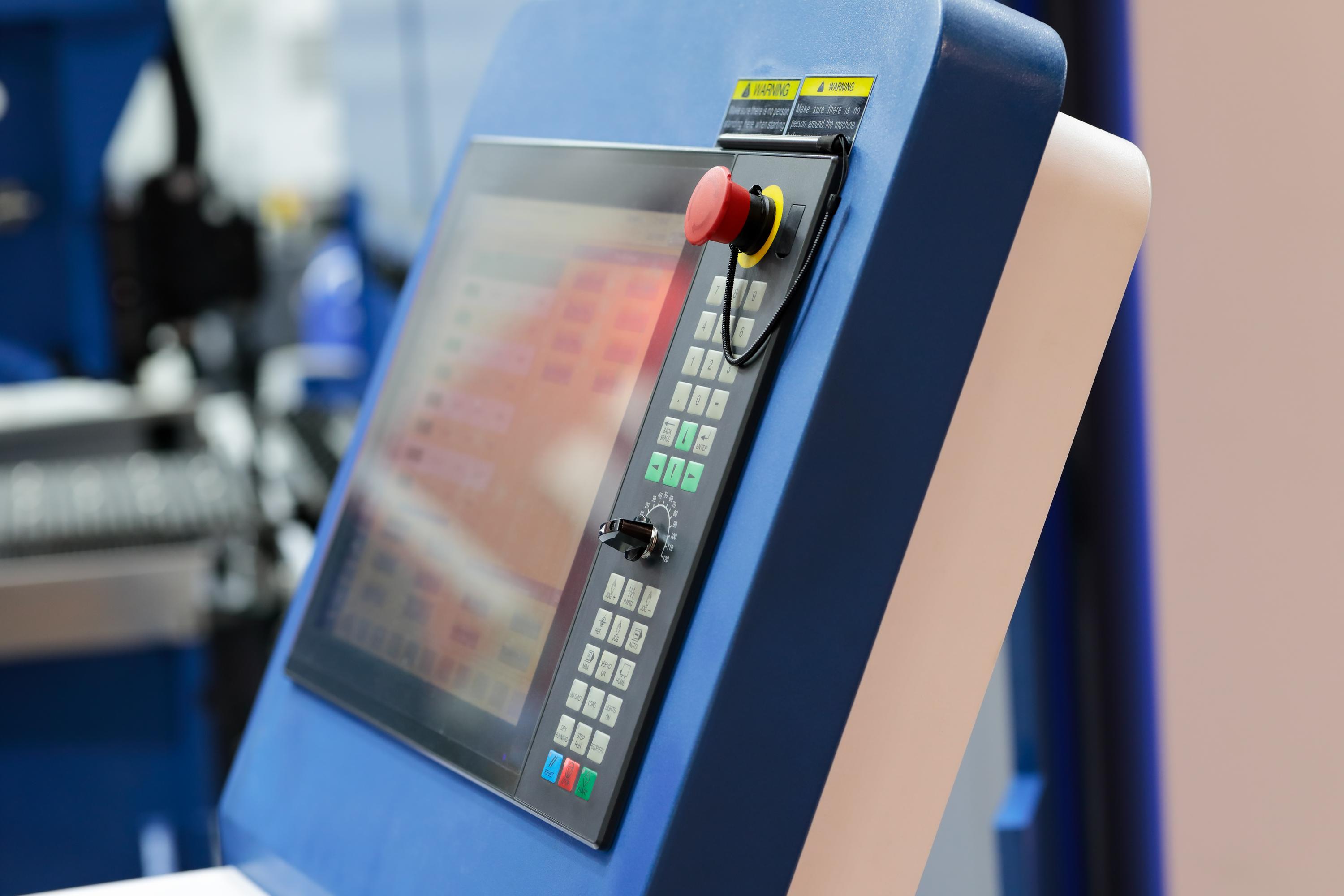
Once you’ve chosen a fiber laser, there are additional ways to enhance your shop’s capabilities. Integrating complementary equipment and exploring financing options can provide significant benefits.
CNC Laser Cutter and Press Brake Integration
Combining a CNC laser cutter with a press brake can drastically improve your production capabilities. This integration allows you to efficiently cut and then bend materials, streamlining your workflow. Such a setup provides versatility and enables you to handle a wider range of projects, ultimately increasing your shop’s output.
Consider the compatibility of your chosen equipment. Ensure that the CNC laser cutter and press brake work seamlessly together, as this will maximize efficiency and reduce downtime. By optimizing this integration, you can achieve higher precision and faster turnaround times, which can lead to greater customer satisfaction and repeat business.
Deburring Solutions for Laser Cut Parts
After cutting, deburring is essential for achieving smooth, safe edges on your parts. Implementing a deburring solution can enhance the quality of your finished products and ensure they meet industry standards. Investing in a high-quality deburring machine can also save time and reduce labor costs, as manual deburring is often labor-intensive and less consistent.
Evaluate different deburring technologies to find one that best suits your needs. Consider factors like the types of materials you frequently cut and the desired finish quality. A well-chosen deburring solution complements your laser cutting process, improving the overall efficiency and quality of your production line.
Flexible Finance and Support Options
Investing in new machinery can be financially daunting. Flexible finance options can ease this burden, making it easier for you to access the latest technology without draining your resources. Look for suppliers that offer tailored financing solutions to fit your budget and cash flow needs. This approach allows you to upgrade your equipment while maintaining financial stability.
Support services are equally important. Choose a supplier that offers comprehensive support, including training and after-sales service. This ensures that you can operate your new machinery efficiently and with confidence. With the right support, you can maximize the benefits of your investment and enhance your production capabilities.
Frequently Asked Questions
What is the difference between a 6kW and a 12kW fiber laser?
A 6kW laser is suitable for standard tasks, providing a good balance between power consumption and cutting ability. It’s ideal for thinner materials. A 12kW laser, however, offers more power for faster cuts and handling thicker materials, but it comes with a higher cost.
Why is fiber laser maintenance important?
Regular maintenance keeps your fiber laser running efficiently, maintaining precision and reducing downtime. It prevents performance decline and ensures the machine operates at peak condition, providing a longer operational life.
How do nitrogen and oxygen affect laser cutting?
Nitrogen provides high-quality cuts by preventing oxidation, resulting in cleaner edges. It’s more expensive than oxygen, which, while cheaper and faster, may compromise edge quality. The choice depends on the specific cutting application and budget considerations.