
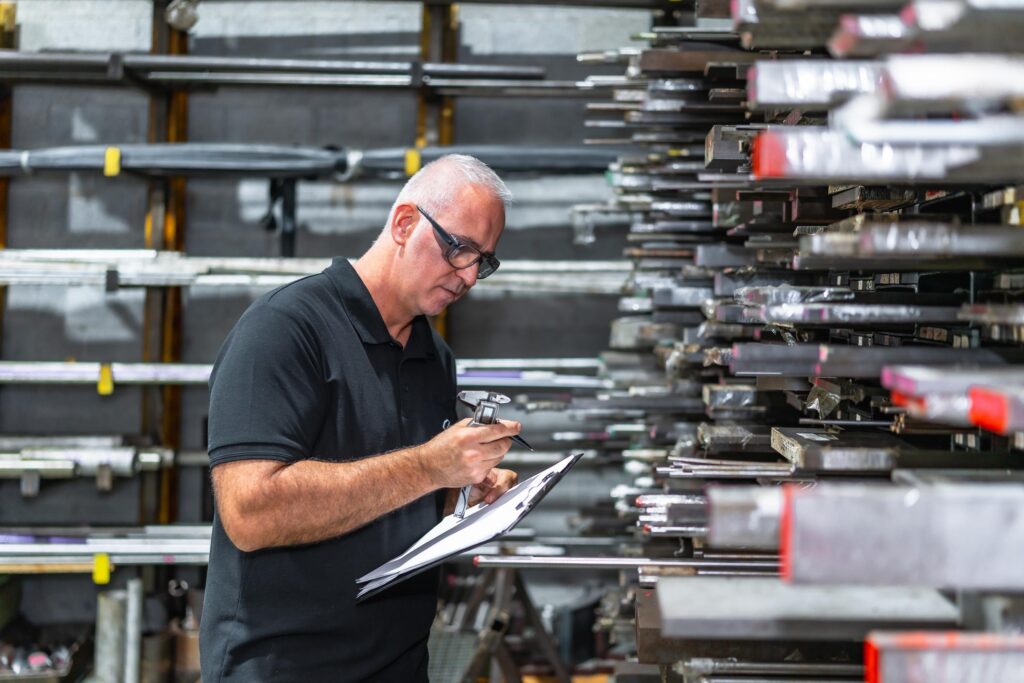
Used metalworking machinery can be a smart investment—but only if you know what to check. Skipping key inspections puts your production and budget at risk. This guide breaks down the essential steps for assessing used CNC machines, fiber lasers, and press brakes. Follow our machine inspection checklist to spot issues before they cost you. Request the checklist and book your inspection call today. Visit World Machinery Ltd for more information.
Assessing Used CNC Machinery
When considering used CNC machinery, understanding its current state is crucial. Let’s begin with evaluating the machine’s accuracy.
Evaluating CNC Accuracy
You need precise results. To ensure this, conduct a thorough accuracy test. Check the machine’s accuracy by running a programmed operation. Observe the output: is it consistent with specifications? A precise CNC delivers repeatable results every time. Remember, accuracy impacts your production quality, so don’t skip this step.
Inspecting Axis Backlash
Backlash can reduce precision. Inspect the machine’s axes for any play or movement. Gently push each axis: if it moves, there’s an issue. Excessive backlash affects performance, leading to inaccuracies. Regular maintenance can minimize this risk, so confirm the machine’s maintenance history.
Understanding Service History
Service history provides insights into past issues and maintenance. Review service records for any frequent repairs or major part replacements. A well-maintained machine is more reliable, reducing potential downtime. This history can be a deciding factor for your purchase.
Evaluating Used Fiber Lasers
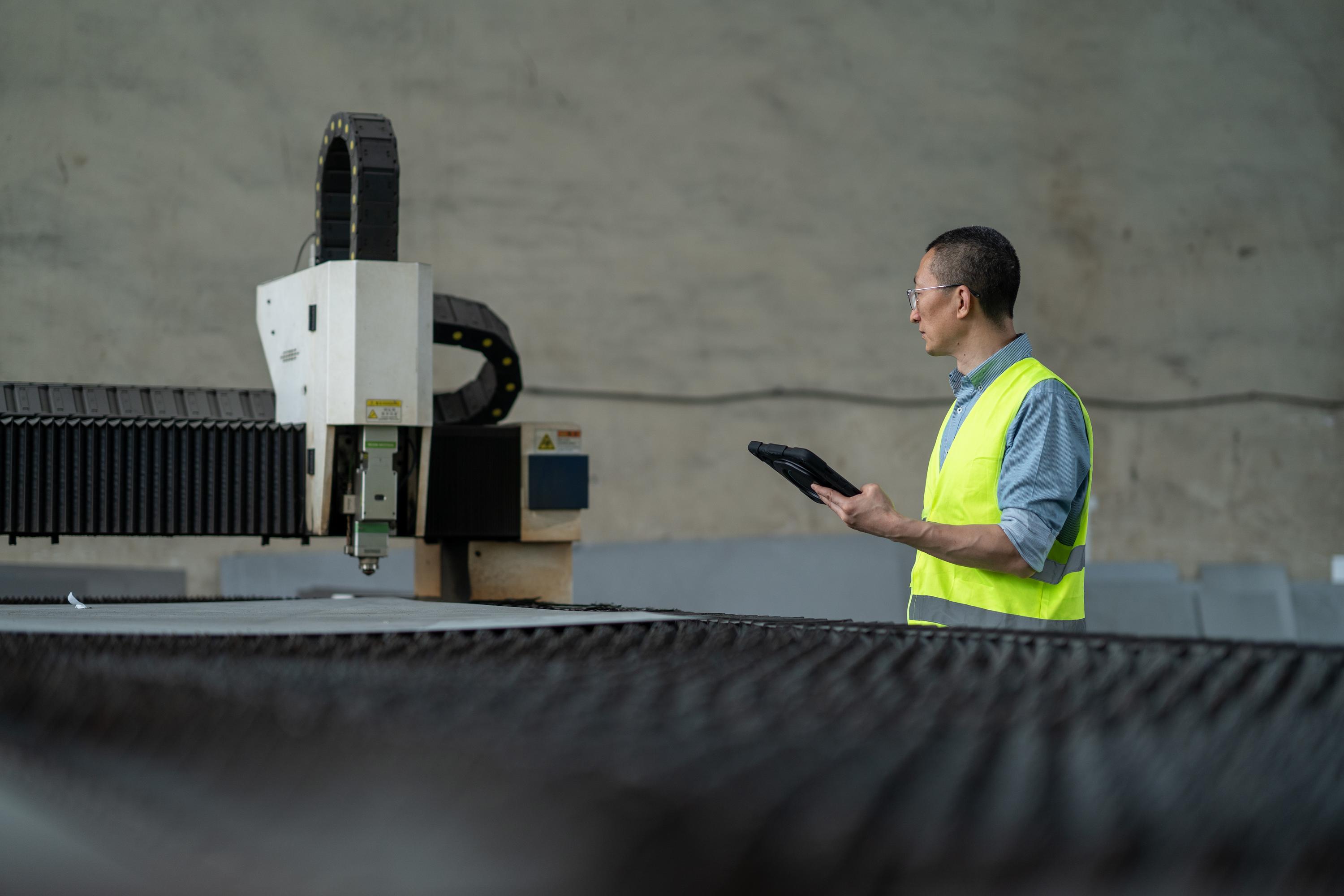
Fiber lasers require detailed evaluation due to their complex nature. Let’s dive into the essential checks for these machines.
Performing Laser Calibration
Calibration ensures the laser cuts precisely. Check if the laser has been calibrated regularly. Accurate calibration maintains cutting quality and efficiency. Without it, you risk poor cuts and wasted materials. Inspect the process and frequency of past calibrations.
Checking CE Marking and Compliance
Compliance is non-negotiable. Ensure the machine has a CE marking, indicating it meets European safety standards. Non-compliance could incur fines or legal issues. Verify all documentation and check for any updates or modifications that might affect compliance.
Inspecting Bodor Used Laser
Bodor lasers are known for reliability. Inspect the machine thoroughly: check the laser head, power supply, and cooling system. Look for signs of wear or damage. A well-maintained Bodor laser delivers excellent results, enhancing your production capabilities.
Conducting Pre-Purchase Inspections
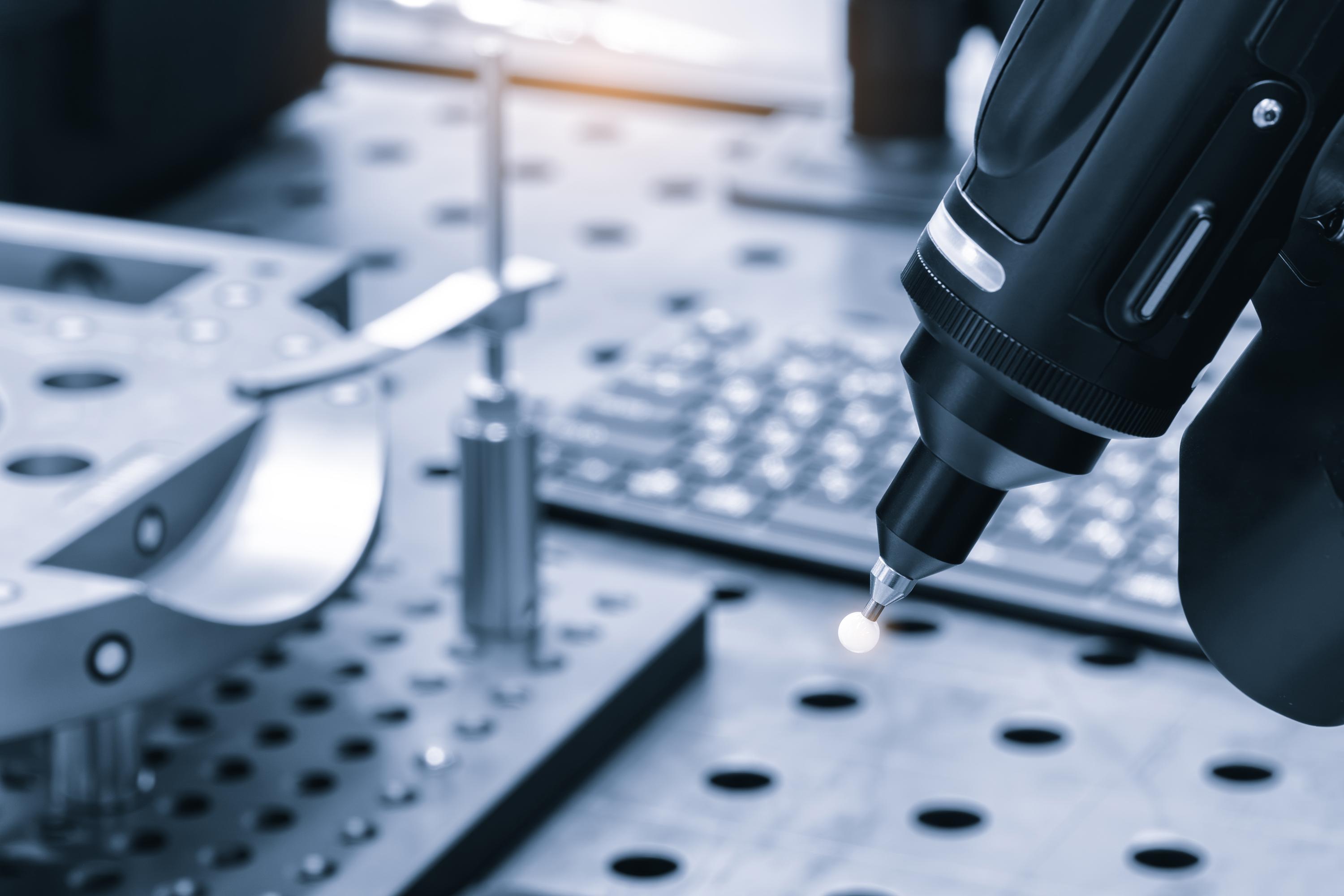
Before finalizing your purchase, perform comprehensive inspections to ensure the machine meets your needs.
Machine Alignment and Ballbar Test
Proper alignment is key to precise operations. Conduct a ballbar test to check for alignment issues. This test reveals any geometrical inaccuracies affecting performance. A correctly aligned machine ensures consistent quality and reduces waste.
Ensuring PUWER Compliance
Safety compliance is essential. Verify the machine adheres to PUWER regulations. This ensures the machine is safe to operate, protecting your employees and reducing liability. Check all safety features and records for compliance.
After-Sales Support and Finance Options
Support is crucial post-purchase. Check if the supplier offers after-sales support and maintenance. Access to spare parts and technical support reduces downtime. Additionally, consider available finance options to make the purchase more manageable.
Frequently Asked Questions
What is CNC accuracy, and why is it important?
CNC accuracy refers to how closely the machine’s output matches the programmed specifications. It is crucial as it affects the quality and consistency of your production.
What is a ballbar test?
A ballbar test checks the machine’s geometry and alignment. It identifies issues that can affect precision, ensuring the machine operates correctly.
Why is CE marking important for fiber lasers?
CE marking indicates compliance with European safety standards. It ensures the machine is safe to use, reducing the risk of legal issues and ensuring peace of mind.
How can I ensure a used machine is well-maintained?
Review the service history for regular maintenance and any major repairs. A consistent maintenance record indicates a well-cared-for machine.
What are the benefits of after-sales support?
After-sales support provides access to technical help, spare parts, and maintenance. It minimizes downtime and enhances the machine’s longevity, ensuring reliable performance.