

Boost Output with Better Automation Planning
Most UK manufacturers waste hours daily on inefficient automation planning. This slows throughput and drags down your OEE. You can change that with a structured approach to CNC automation UK. In this post, you’ll learn how better automation planning boosts output, quality, and reliability. Book a free automation audit today to see what World Machinery Shropshire can do for your plant. For more insights, check out this step-by-step guide on crafting an effective automation plan.
Structured Automation Planning Benefits

Efficient automation planning sets the foundation for higher productivity and product quality in your operations. Let’s explore how you can achieve these enhancements.
Increase Throughput and Quality
You want faster production without sacrificing quality. Start by prioritizing automation in key areas. Automated systems speed up tasks that usually take much longer when done manually. For each minute saved, your throughput increases significantly. Many manufacturers find that using Bodor fiber lasers helps in achieving precise cuts quickly. These lasers not only improve speed but also ensure cleaner cuts, reducing the need for further processing.
An example of successful integration involves a small automotive parts manufacturer. They reduced their cycle time by 30% using automated laser cutting. This not only boosted output but also improved product quality. By cutting down on errors and rework, they could focus more on meeting customer demands promptly.
To maintain this efficiency, regular system checks are essential. Predictive maintenance helps in identifying potential issues before they cause downtime. Consider setting up a schedule for routine inspections to keep your equipment in top shape.
Enhance Overall Equipment Effectiveness
Boosting your OEE is crucial for maintaining competitive edge and maximizing profits. A structured approach ensures each machine operates at its best. Here are some key steps:
-
Monitor Performance: Use sensors and software to track machine performance. This data helps in identifying patterns and potential areas for improvement.
-
Streamline Adjustments: Implement quick changeover techniques to minimize downtime. Simple adjustments can significantly increase your equipment’s availability.
-
Employee Training: Equip your team with the skills needed to handle automated systems effectively. Employees who know how to troubleshoot can swiftly address minor issues, reducing interruptions.
For more insights into maximizing productivity through automation, explore these best practices.
Key Components of CNC Automation
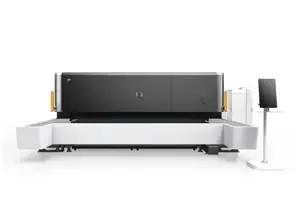
Once you’ve set a solid foundation, integrating key components of CNC automation can further enhance your operations. Let’s delve into some of these crucial elements.
Bodor Fiber Laser Integration
Integrating Bodor fiber lasers into your production line can transform your manufacturing capabilities. These lasers are known for their precision and speed, essential for maintaining high standards in metal cutting. With Bodor’s advanced technology, you can handle complex cuts with ease, saving time and material costs.
A practical example is a medium-sized engineering firm that incorporated Bodor lasers into their production. The result? A remarkable 40% reduction in material waste and a 25% increase in output. By ensuring each cut is exact, they minimized the need for rework. This not only saved time but also improved their overall efficiency.
For a detailed look at how automation improves manufacturing output, read this comprehensive article.
Press Brake and Deburring Solutions
Press brakes and deburring solutions are crucial for precision in bending and finishing. Automated press brakes offer consistent pressure and accuracy in every bend. This is vital when working with materials that require precise angles and measurements.
One company successfully implemented an electric press brake. They experienced a 20% decrease in production time due to the machine’s precision and speed. Additionally, automated deburring machines ensure smooth edges, enhancing both safety and product quality. This level of finish is essential in industries where perfection is non-negotiable.
Consider integrating these solutions to enhance your production capabilities and maintain high-quality standards.
Implementing Lights-Out Manufacturing
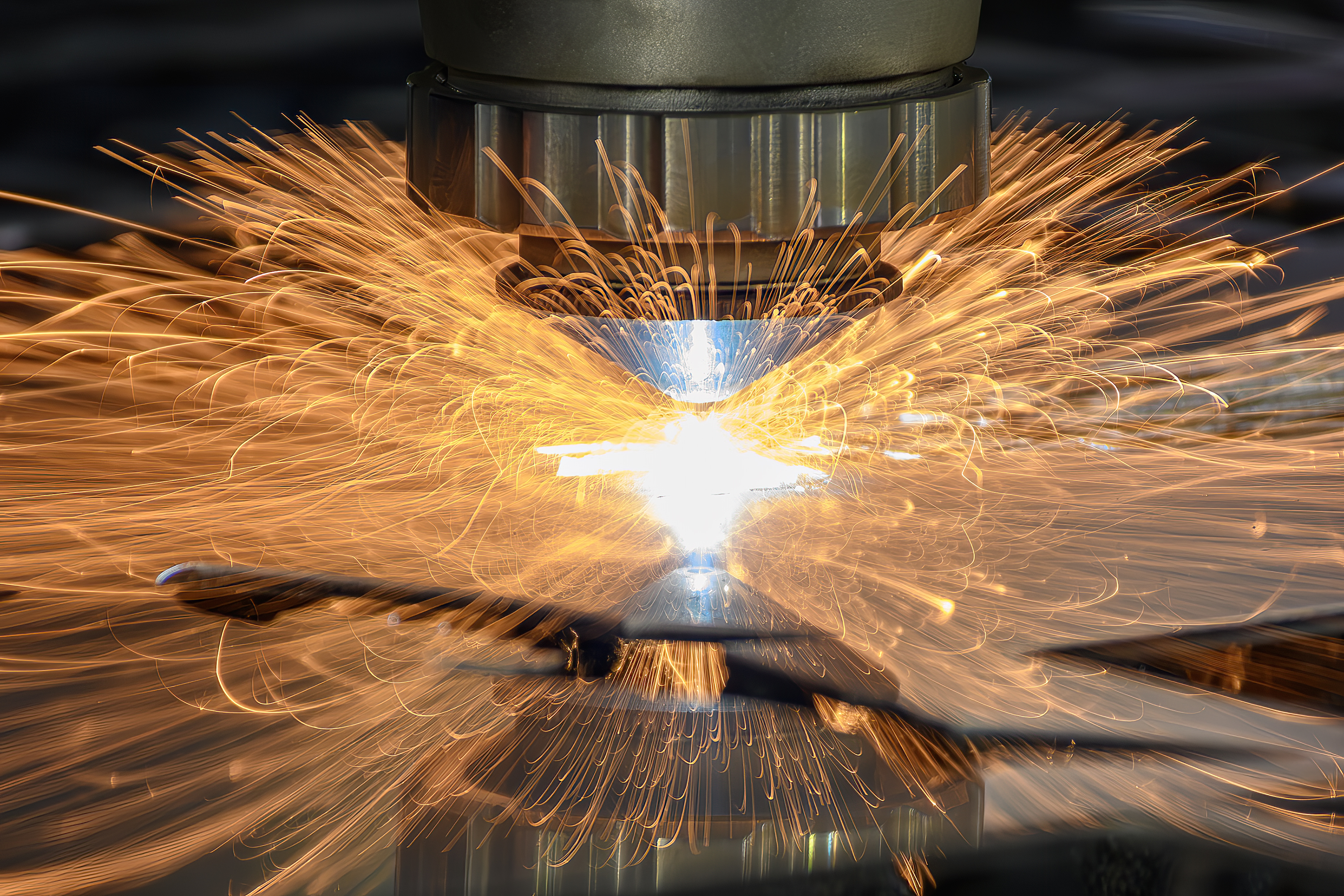
Lights-out manufacturing represents the pinnacle of automation, where machines run independently with minimal human intervention. Here’s how you can start building towards this future.
CAD/CAM Nesting and Offline Programming
CAD/CAM nesting and offline programming are vital for running operations smoothly during lights-out manufacturing. These technologies ensure that machine tools are prepped and ready, minimizing setup time.
By employing CAD/CAM systems, you can optimize material usage, ensuring each piece is cut efficiently. This not only saves material costs but also maximizes machine uptime. For example, a fabrication company reported a 35% reduction in material waste after implementing nesting software.
Offline programming further aids in reducing downtime. By preparing programs away from the machine floor, you can ensure your equipment is always running, even during breaks or after hours.
To learn more about leveraging automation in your business processes, check out these automation examples and uses.
Predictive Maintenance and SMED Changeover
Predictive maintenance and SMED (Single-Minute Exchange of Dies) changeover are crucial for maintaining efficiency in lights-out manufacturing. Predictive maintenance uses data to anticipate when a machine might fail, allowing you to schedule repairs before they cause downtime. This proactive approach is essential for maintaining high OEE and avoiding unexpected disruptions.
Most manufacturers don’t realize the impact of SMED changeover until they see the results. By reducing changeover times, you can switch between tasks quickly without losing productivity. For instance, a study found that implementing SMED reduced setup times by 50%, leading to smoother transitions and increased throughput.
For more strategies on building an effective automation strategy, explore this guide.
Conclusion
Implementing structured automation planning can significantly enhance your manufacturing processes. By increasing throughput and maintaining quality, enhancing OEE, integrating key CNC components, and adopting lights-out manufacturing, your operations will become more efficient and cost-effective. Embrace these changes and watch your production soar.