
Choosing the Right Deburring Machine for Your Manufacturing Needs
Choosing the right deburring machine can make or break your production line’s precision. Many manufacturers settle for machines that slow down workflows or miss critical finishing details. We’ll break down what reliable machinery means for your manufacturing needs and how the right choice improves metalworking solutions. Contact us for expert advice on deburring solutions tailored to your business. For more information, visit this guide on choosing the right deburring machine.
Understanding Deburring Machines
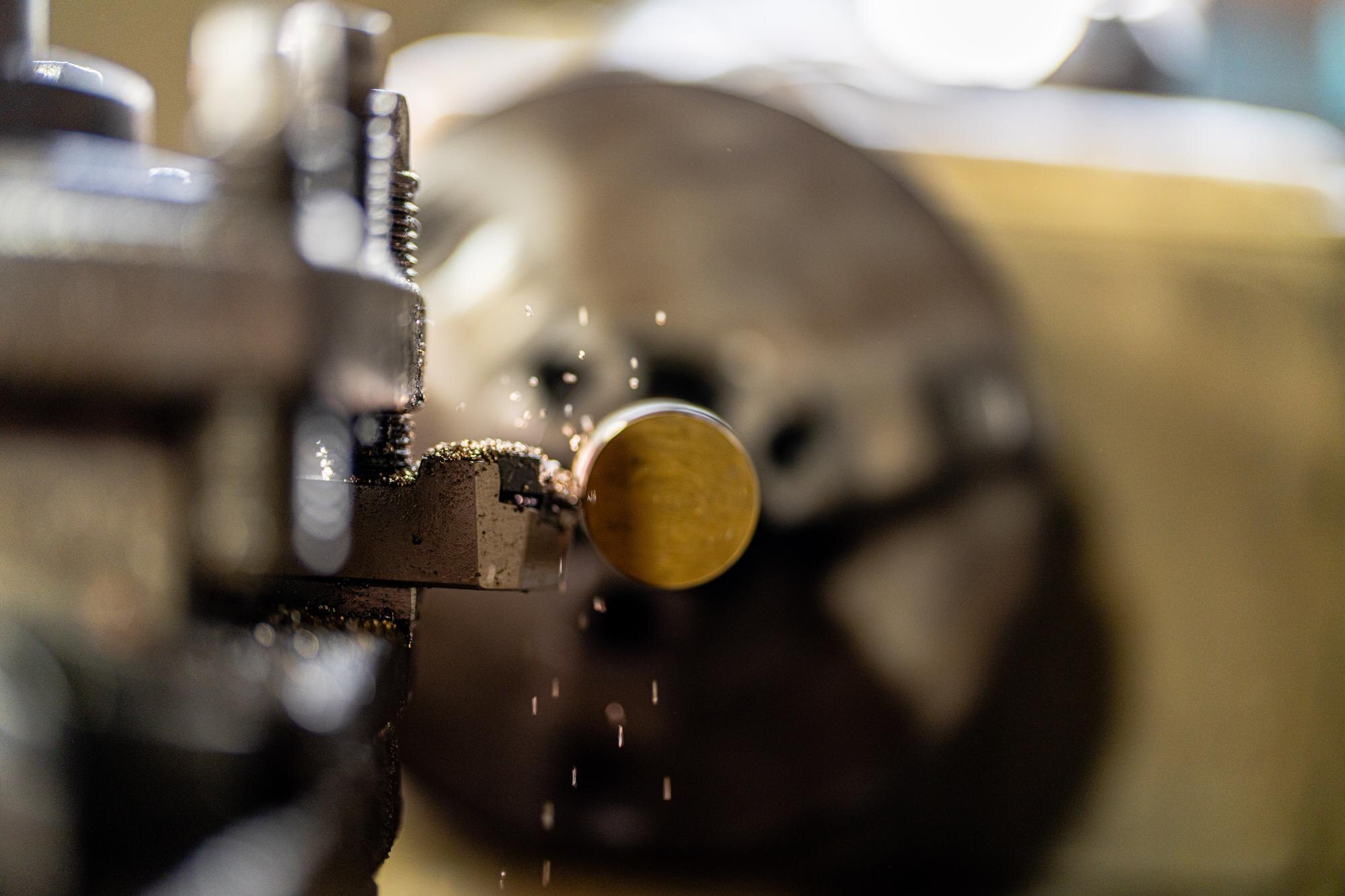
To get the best results, start with understanding the types of deburring machines. This is key to choosing equipment that fits your tasks.
Types of Deburring Equipment
There are several types of deburring machines, each serving unique purposes. Vibratory finishers are popular because they handle irregular shapes well. These machines use vibration to smooth out rough edges. Barrel tumblers, on the other hand, are great for more aggressive deburring needs. They rotate parts in a drum with abrasive media. Both types offer distinct benefits depending on what you need to deburr.
Another option is the brush deburring machine. This type is perfect for flat parts. Using abrasive brushes, these machines remove burrs without harming the surface. For precision parts, consider an electrochemical deburring machine. It removes burrs with electrical currents, ensuring high accuracy. Each machine serves a specific role, so choose based on the parts you work with most.
Key Features to Consider
When selecting a deburring machine, focus on features that match your production needs. Look for adjustable settings. These allow you to tweak speed and pressure for different materials. Machines with easy-to-change media also save time during transitions. Consider the machine’s power, as higher power often equates to faster processing.
Automation is another critical feature. Machines with automatic loading and unloading can drastically cut down labor costs. Also, pick machines with a robust build for longevity. A sturdy frame resists wear and tear, ensuring consistent performance. These features, combined, contribute to reliable machinery that enhances your production line. For more on what to look for, check out this guide.
Evaluating Manufacturing Needs
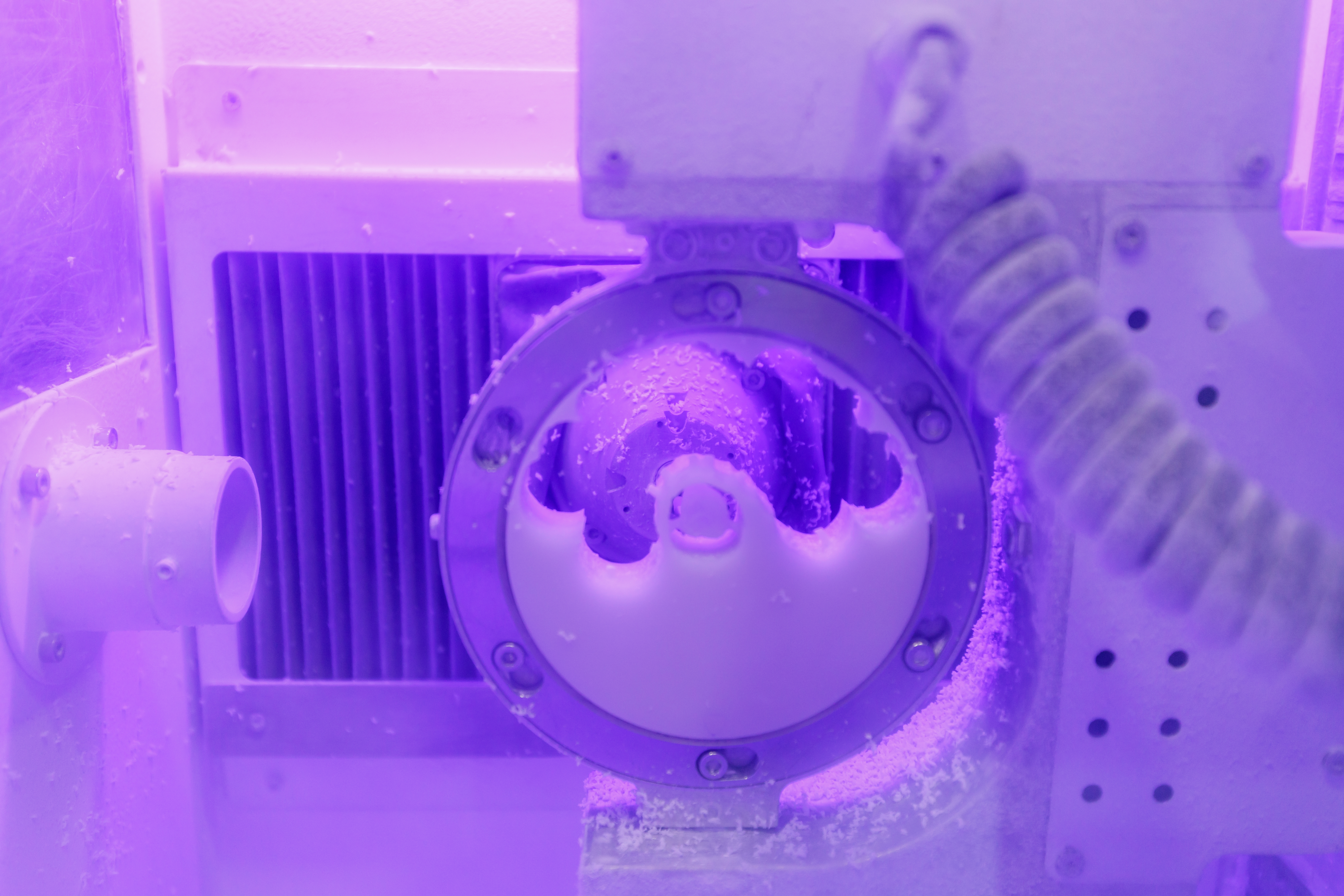
Understanding your unique manufacturing needs can guide you to the right equipment. Consider your production scale and material types.
Assessing Production Scale
Your production scale determines the type of deburring machine you need. Large-scale operations benefit from automated machines. These machines handle high volumes with minimal human intervention. They also reduce downtime between batches, boosting overall efficiency. For smaller operations, a manual or semi-automatic machine might suffice. They cost less and offer flexibility for varied production runs.
In some cases, a combination of machine types can serve different parts of your production line. This ensures you get precision where it counts. Remember, the longer you wait to assess your needs, the more you risk inefficiencies. Proper evaluation helps avoid costly mistakes and aligns your equipment with your production goals.
Material and Finish Requirements
Different materials need different deburring approaches. Metal parts, for instance, might need a more rugged machine than plastic. Consider the finish you desire. A fine finish requires a machine with precise control over the deburring process. Machines with adjustable settings offer the versatility needed for various materials.
Analyzing your finish requirements ensures you choose a machine that delivers consistent quality. If you frequently switch materials, opt for machines with quick-change features. This flexibility saves time and maintains a smooth workflow. For more criteria on selecting the right machine, visit this article.
Expert Metalworking Solutions
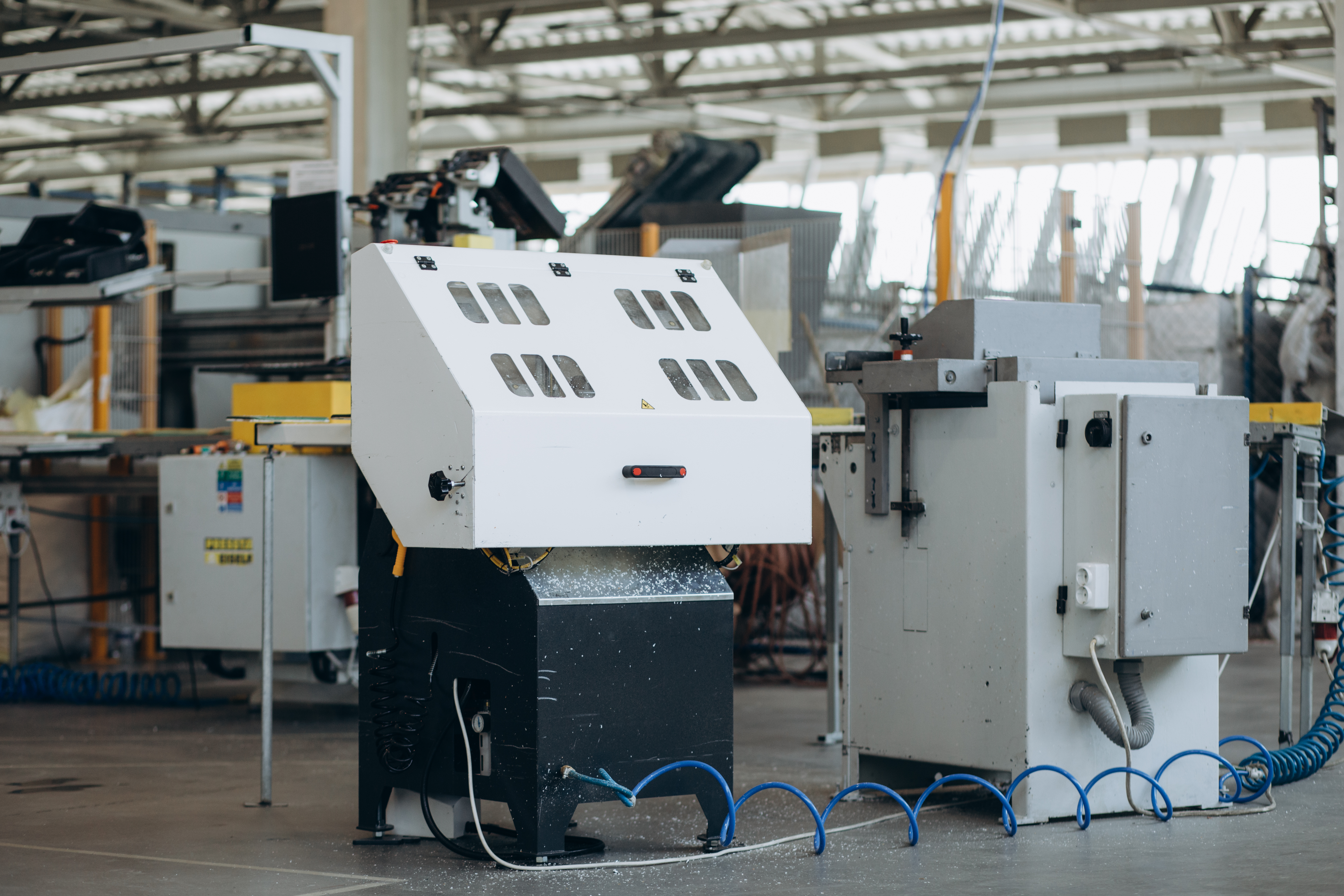
Getting expert metalworking solutions means focusing on precision and reliability. These elements are crucial for maintaining production standards.
Ensuring Precision and Reliability
Precision is key in manufacturing. Machines that offer consistent results help maintain product standards. Look for equipment with advanced control features. These features allow for precise adjustments, ensuring each part meets specifications. Reliability is just as important. Machines with a reputation for durability minimize downtime and maintenance costs.
To ensure reliability, partner with suppliers who offer robust after-sales support. This includes regular maintenance checks and quick access to spare parts. A reliable partner can help troubleshoot issues before they impact production. By choosing trusted machinery, you ensure that your production line runs smoothly.
Partnering with Trusted Suppliers
Working with trusted suppliers ensures you get high-quality machines. These suppliers often provide comprehensive support, from installation to maintenance. Their expertise can guide you in choosing the best equipment for your needs. They also offer training, ensuring your team can operate the machines efficiently. Visit ARKU’s blog for more insights on choosing the right supplier.
A good supplier relationship offers peace of mind, knowing you have support when needed. They help you stay ahead with the latest technology, ensuring your manufacturing processes remain cutting-edge. Trustworthy suppliers become partners in your success, offering solutions that grow with your business.