
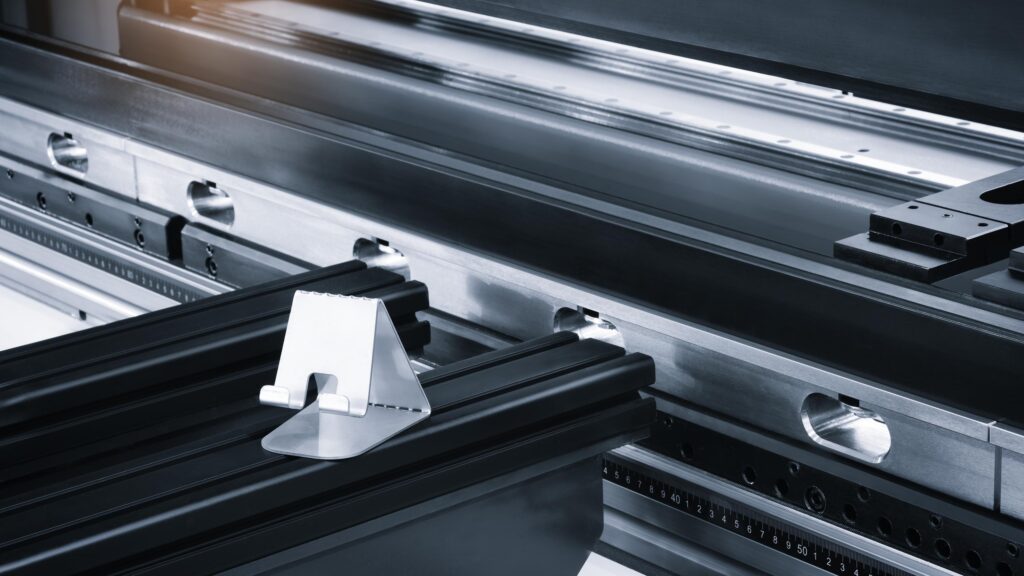
Electric press brakes are changing the way UK fabricators cut energy costs without losing precision. Servo electric press brakes use up to 60% less power than hydraulic models, cutting your energy bills and maintenance headaches. You’ll see how advanced CNC controls like Delem or Cybelec, combined with multi axis backgauges and automatic crowning, boost accuracy and productivity. Book a demo or request a free energy audit today to see the savings firsthand. For more information, visit World Machinery Ltd.
Energy Savings with Electric Press Brakes
Electric press brakes offer substantial energy savings over hydraulic models, making them a smart choice for modern fabrication. Let’s explore how these machines outperform traditional options in terms of power consumption and overall cost.
Comparing Hydraulic and Electric Press Brakes
Hydraulic press brakes have been the industry standard for years, known for their powerful bending capabilities. However, they consume significant amounts of energy and require regular maintenance. In contrast, electric press brakes use advanced servo motors that drastically reduce energy consumption and offer quieter operation. The shift to electric models means you can cut your power bills by up to 60%, a significant saving for any fabrication shop.
Electric press brakes are also more environmentally friendly, emitting fewer pollutants into the atmosphere. Their energy-efficient design aligns with green manufacturing practices, making them a preferred choice for companies committed to sustainability. As energy costs continue to rise, the long-term savings offered by electric press brakes become increasingly attractive.
Press Brake Energy Consumption Insights
Understanding energy consumption is vital for any business looking to reduce its operational costs. Electric press brakes stand out by using energy only when needed, unlike hydraulic models that run continuously. This on-demand energy usage translates to lower electricity bills and less heat generation, which can also reduce cooling costs in your facility.
Servo motors in electric press brakes are key to their efficiency. These motors operate with precision, using only the exact amount of power needed for each bend. This precision not only saves energy but also extends the machine’s lifespan by reducing wear and tear. By investing in electric press brakes, you’re choosing a solution that boosts your bottom line while supporting sustainable practices.
Total Cost of Ownership Considerations
When evaluating machinery, it’s crucial to consider the total cost of ownership (TCO), which includes purchase price, maintenance, and operational costs. Electric press brakes may have a higher upfront cost, but their reduced energy consumption and maintenance needs lower the overall TCO. Over time, the savings in energy bills and reduced downtime can offset the initial investment, making them a financially sound decision.
Electric models require less frequent maintenance compared to hydraulic press brakes. Without hydraulic fluids and complex systems, there’s less that can go wrong. This reliability means fewer interruptions to your production schedule, translating to higher productivity and profitability for your business.
Performance and Precision Advantages
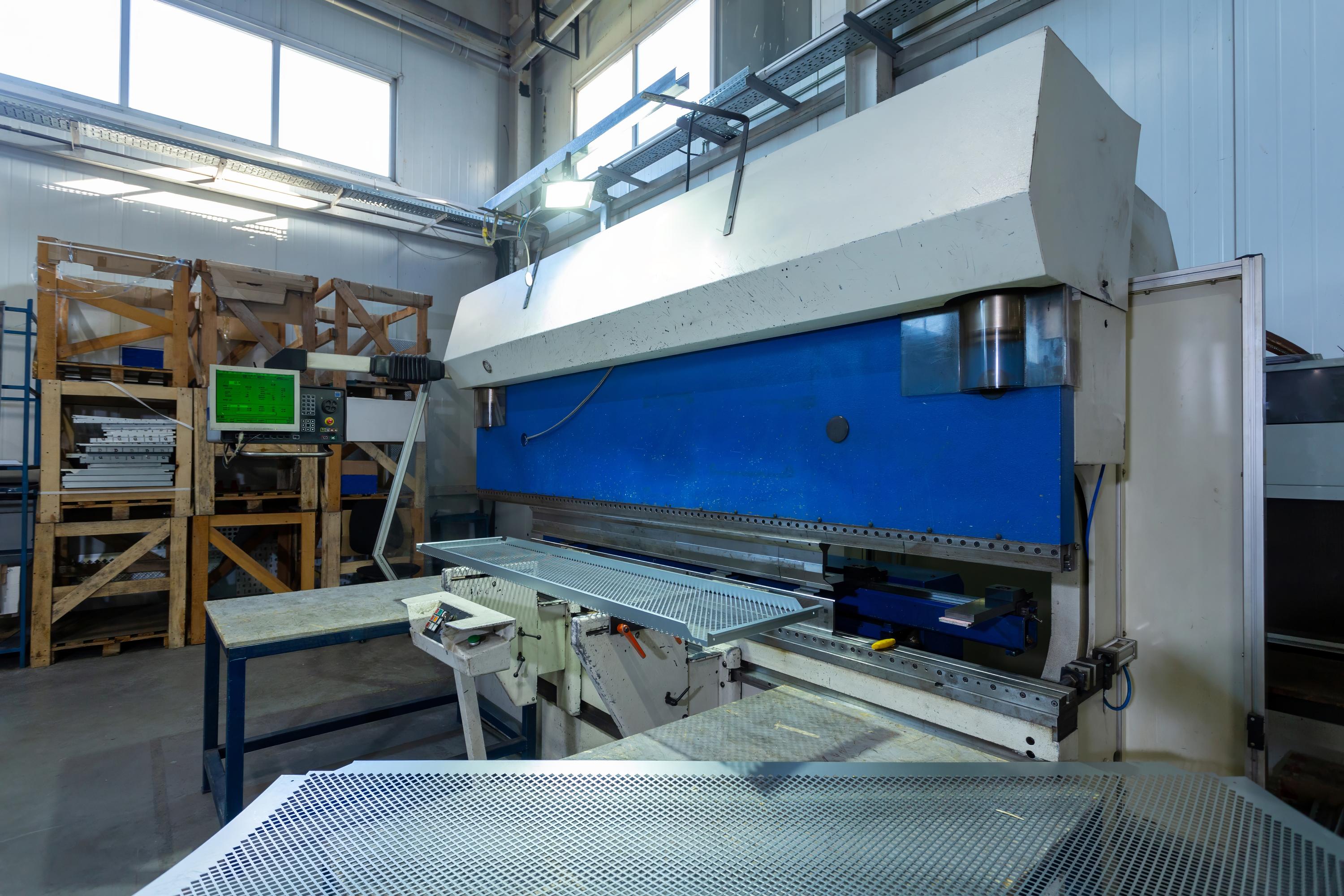
Electric press brakes not only save energy but also offer superior performance and precision. Discover how these machines enhance bending accuracy and productivity in your manufacturing operations.
Servo Electric Press Brake Accuracy
Servo electric press brakes are renowned for their accuracy. The precision of these machines is unmatched, thanks to their advanced control systems. With electric press brakes, you can achieve consistent, high-quality bends every time, reducing the need for rework and waste. The servo motors ensure each bend is executed with pinpoint precision, delivering the exact angle and force required.
This accuracy is especially beneficial for complex projects where precision is crucial. By using servo electric press brakes, you can produce intricate parts with confidence, knowing that each piece will meet your exact specifications. The improved accuracy not only enhances product quality but also streamlines your production process.
CNC Press Brake UK Features
CNC press brakes in the UK are equipped with state-of-the-art features that set them apart from traditional models. Advanced controllers like Delem and Cybelec offer intuitive interfaces, making it easy for operators to program and execute complex bends. These controllers also support Industry 4.0 integration, allowing you to connect your press brake with other machines and systems for a seamless production flow.
The CNC technology embedded in these press brakes ensures that each operation is repeatable and reliable. Whether you’re producing a single piece or a large batch, you can trust that your CNC press brake will deliver consistent results. This reliability is crucial for maintaining high standards and meeting tight deadlines in your manufacturing processes.
Multi Axis Backgauge and Automatic Crowning
Electric press brakes come with multi-axis backgauges and automatic crowning features that enhance flexibility and precision. The multi-axis backgauge allows for complex bends and angles, providing greater versatility in your projects. This feature means you can handle more varied and challenging tasks without needing multiple machines.
Automatic crowning compensates for deflection during the bending process, ensuring uniform pressure along the entire bend length. This leads to consistent results, even on large or thick materials. By investing in a press brake with these features, you’re equipping your facility with a machine that can handle any bending challenge with ease and precision.
Enhancing Operations and ROI
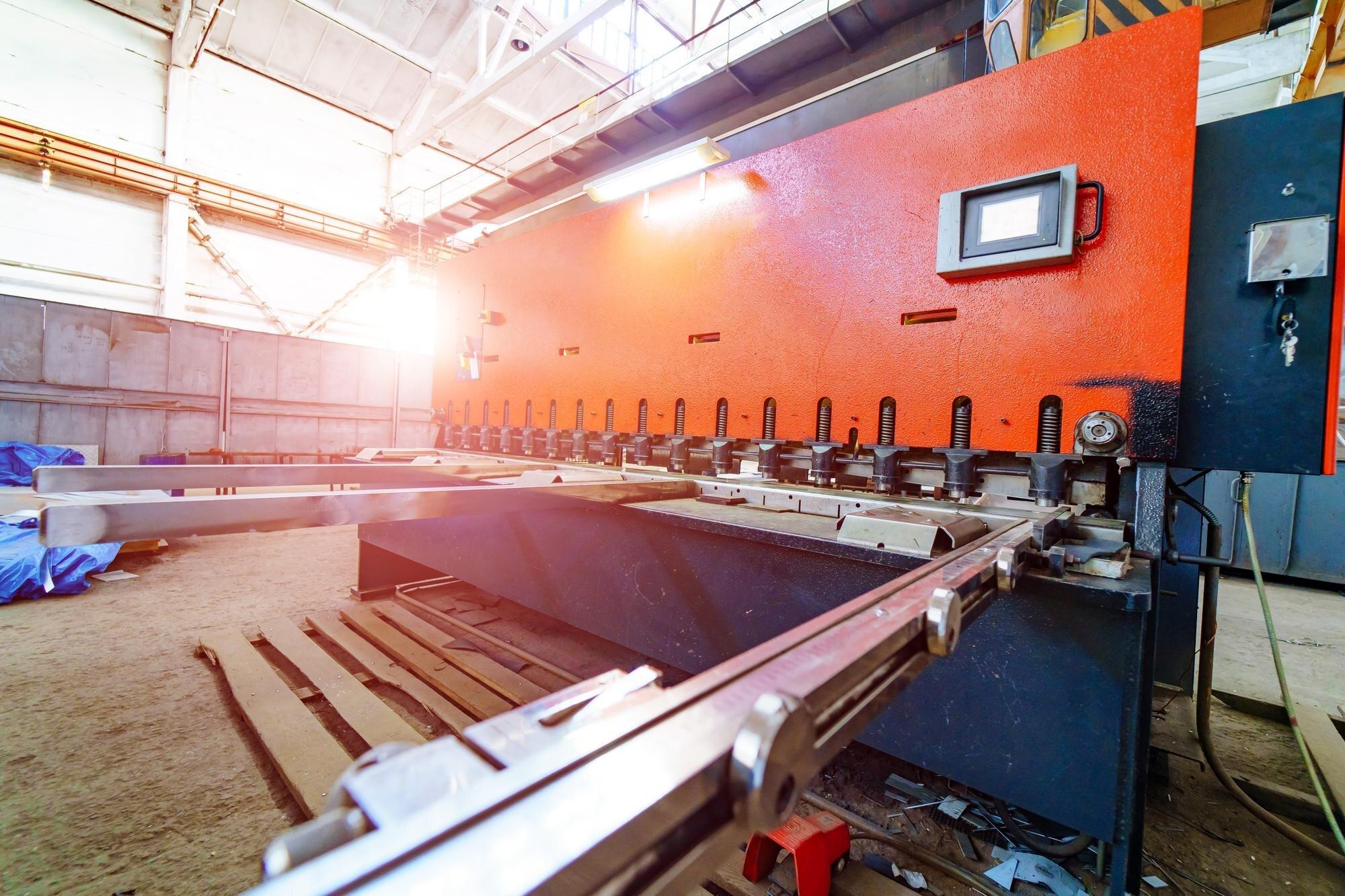
Electric press brakes not only improve accuracy but also enhance overall operations and return on investment (ROI). Let’s see how they contribute to more efficient and profitable fabrication processes.
OEE Improvement in Fabrication
Overall Equipment Effectiveness (OEE) is a critical metric for any manufacturing operation. Electric press brakes contribute to higher OEE by reducing downtime and increasing throughput. Their reliability and precision minimize errors and rework, allowing for smoother production flows.
With electric press brakes, you can achieve faster cycle times and more consistent output. This efficiency boost means you can take on more projects and meet deadlines with ease. By enhancing your OEE, you’re positioning your business for greater success and profitability.
Low Maintenance Bending Machine Benefits
Electric press brakes are designed with low maintenance in mind. Their simple construction, without hydraulic systems, means fewer parts to wear out or fail. This translates to less downtime and lower maintenance expenses, freeing up resources for other areas of your business.
The reduced maintenance needs also mean your team can focus on production rather than repairs. With electric press brakes, you can enjoy peace of mind knowing that your equipment will perform reliably day in and day out. This reliability is a key factor in achieving long-term success and growth.
Automation and Robotic Bending Cells
Incorporating automation and robotic bending cells with electric press brakes further enhances productivity. These systems can handle repetitive tasks with precision, freeing up skilled workers for more complex projects. By automating your bending processes, you reduce the risk of human error and increase output consistency.
Robotic bending cells also offer scalability, allowing you to expand your operations as demand grows. These systems integrate seamlessly with electric press brakes, providing a flexible and efficient production solution. By embracing automation, you’re future-proofing your business and setting the stage for continued success.
Frequently Asked Questions
What are the main advantages of electric press brakes over hydraulic ones?
Electric press brakes offer significant energy savings, reduced maintenance, and enhanced precision. They consume up to 60% less energy and operate more quietly, making them an environmentally friendly option for modern fabrication.
How do electric press brakes improve accuracy in bending?
Electric press brakes use servo motors and advanced controllers to deliver precise bends with consistent results. Features like multi-axis backgauges and automatic crowning further enhance their accuracy, making them ideal for complex projects.
What is the impact of electric press brakes on total cost of ownership?
While electric press brakes may have a higher initial cost, their reduced energy consumption and maintenance needs lower the total cost of ownership. Over time, these savings can offset the initial investment, making them a cost-effective choice for manufacturers.
Why are electric press brakes considered energy-efficient?
Electric press brakes only use energy when needed, unlike hydraulic models that run continuously. This on-demand energy usage significantly reduces electricity consumption, leading to lower operational costs and a smaller environmental footprint.
How can automation enhance the performance of electric press brakes?
Automation and robotic bending cells increase productivity and consistency by handling repetitive tasks with precision. These systems integrate seamlessly with electric press brakes, offering scalable solutions for growing manufacturing needs.