
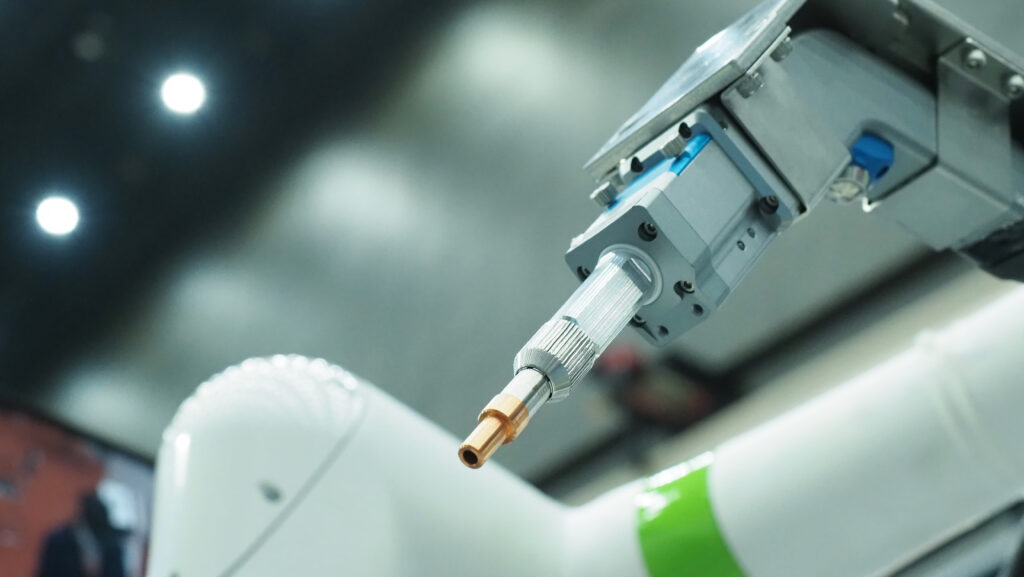
How Automation Integration Improves Metal Fabrication Workflow
Most metal fabricators waste hours on repetitive tasks that slow production. CNC automation and fiber laser automation cut those delays, boosting your metal fabrication workflow. Learn how integrating press brake automation, robotic loading, and nesting software can deliver consistent results and reduce downtime. Book a free workflow audit and demo. Contact World Machinery today. For more insights, visit this link.
Automation in Metal Fabrication
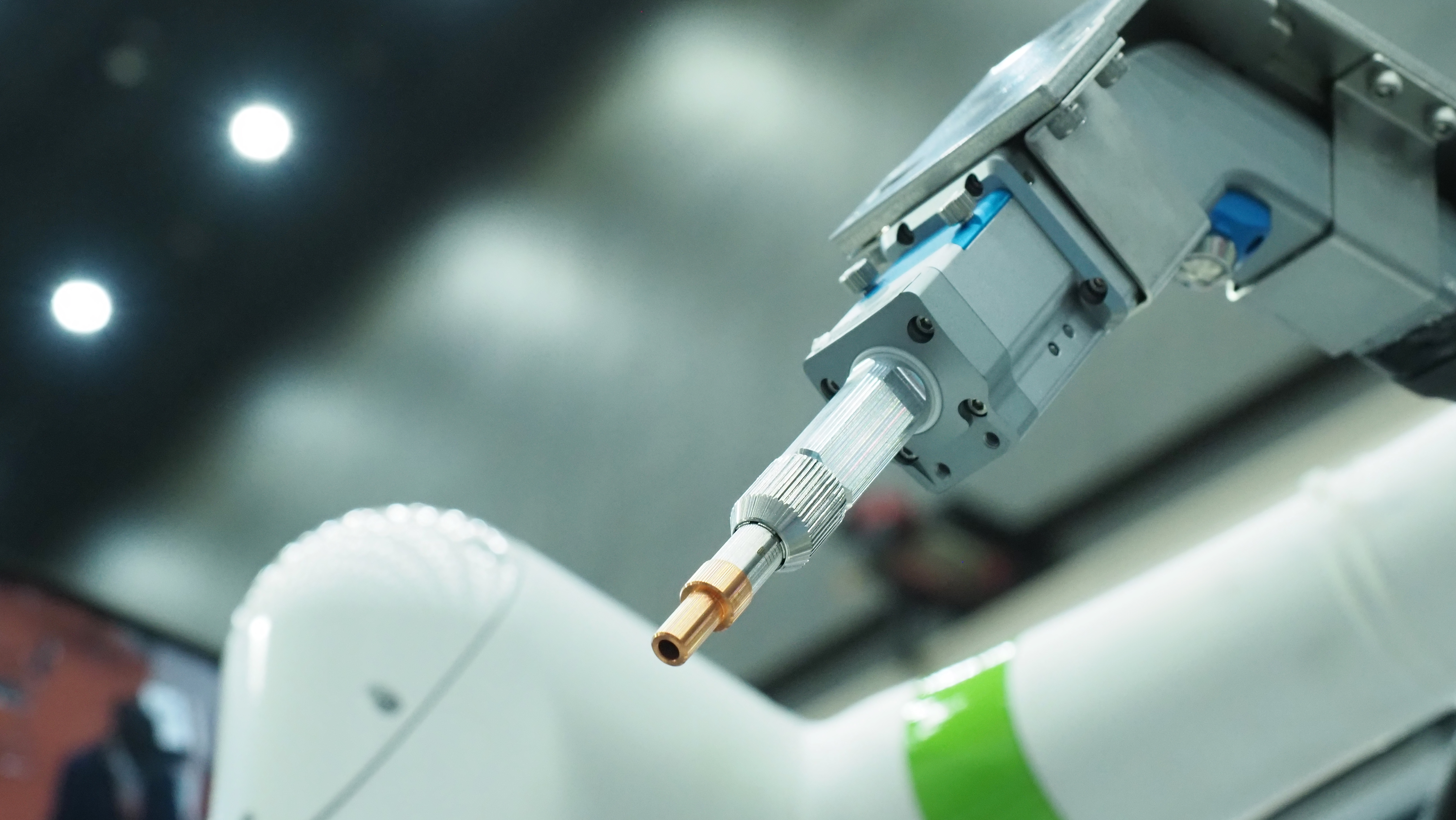
Automation is reshaping the metal fabrication industry by streamlining processes and enhancing precision. By implementing cutting-edge technologies, you can significantly improve production outcomes.
CNC Automation Advantages
CNC automation takes precision to new heights. It reduces human error and ensures each cut is identical to the last. When you automate CNC tasks, your production line becomes more predictable and efficient, saving both time and money. Imagine a machine that works tirelessly, around the clock, delivering consistent results every time. This is not just a dream; it’s what CNC automation promises.
Consider a manufacturer who switched to CNC automation and saw a 30% increase in productivity. This change not only reduced their overhead but also improved product quality. Without the need for constant manual adjustments, the process became smoother, offering a tangible boost to their bottom line.
Fiber Laser Automation Impact
Fiber laser automation transforms the way you handle materials. With its precision and speed, fiber laser technology slices through metals like a hot knife through butter. This means less waste and more efficient use of materials. Fiber lasers reduce setup time and increase cutting speed, which leads to faster turnaround times.
One company reported cutting their production time by 50% after adopting fiber laser automation. The clean edges and precise cuts meant less time spent on finishing, allowing the team to focus on other critical tasks. You can explore more about fiber laser advancements here.
Press Brake Automation Benefits
Press brake automation brings consistency to bending processes. Automated press brakes perform with precision, minimizing defects and reducing scrap. By automating this task, you ensure each bend meets exact specifications, enhancing the overall quality of your products. The beauty of automated press brakes lies in their ability to handle complex bends with ease, something manual operations struggle to replicate.
A manufacturer who adopted press brake automation reduced their error rate by 25%. This led to savings on raw materials and improved customer satisfaction due to the superior quality of the final products.
Integrating Technology for Efficiency
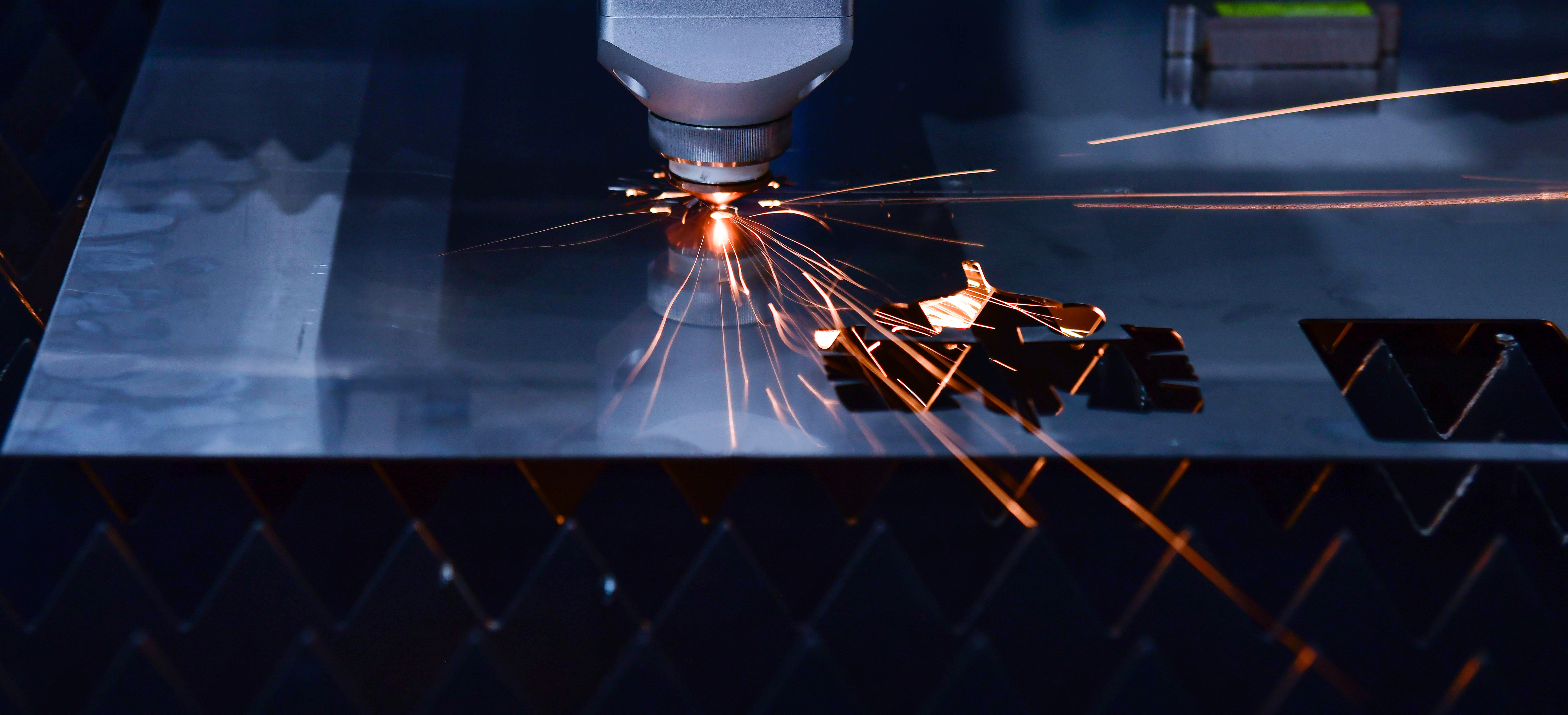
Integrating advanced technology into your workflow is key to maximizing efficiency. Let’s delve into how specific tools can fine-tune your operations.
Nesting Software and MES/ERP
Nesting software and MES/ERP systems work together to optimize production schedules and material use. They ensure every inch of your material is used effectively, cutting down on waste. By integrating these systems, you streamline operations, making your production line more agile and responsive.
One metal fabricator reported a 20% reduction in waste after deploying nesting software, leading to significant cost savings. The data-driven insights allowed them to plan better and execute with precision. For more details on automation integration, visit this guide.
Machine Monitoring and OEE
Machine monitoring tools help track performance and identify bottlenecks. By measuring Overall Equipment Effectiveness (OEE), you gain insights into how your machines are performing and where improvements are needed. This proactive approach ensures that you maintain a high level of productivity without unexpected downtime.
A company using OEE monitoring improved their uptime by 15%, translating to more consistent output and fewer delays. This monitoring becomes a critical part of maintaining a smooth operation.
Robotic Loading and Unloading
Robotic loading and unloading take over repetitive tasks, freeing your workforce to focus on more complex activities. This automation reduces errors and speeds up production. Robots handle heavy lifting with ease, ensuring materials are moved safely and efficiently.
By incorporating robotic systems, a business was able to cut their labor costs by 40%. The robots worked tirelessly, handling tasks that previously required multiple workers, enhancing both safety and efficiency. Learn more on how robotics can transform your workflow.
Enhancing Workflow with Automation Tools
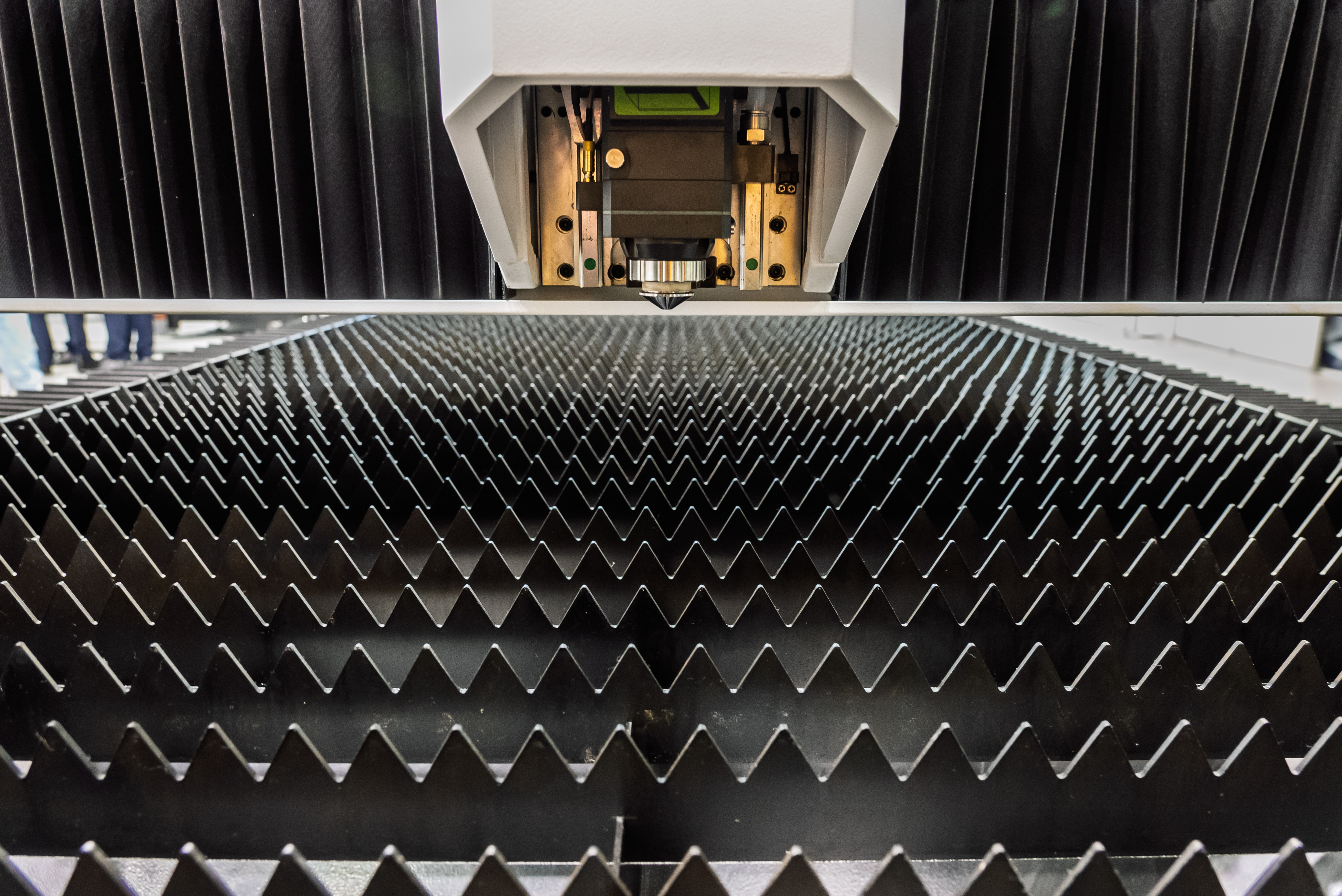
Automation tools are vital for maintaining a streamlined and efficient operation. Let’s explore specific tools that can make a significant difference.
Shuttle Tables and Pallet Changers
Shuttle tables and pallet changers enhance your workflow by minimizing downtime between operations. These tools allow for quick material changes, keeping your machines running at full capacity. By implementing these systems, you maintain a steady workflow, allowing for continuous production without pauses.
A manufacturer using shuttle tables increased their throughput by 30%, maximizing machine utilization and reducing idle time. This efficiency ensures you meet production targets with ease.
Tower Storage and Part Sorting
Tower storage systems and automated part sorting streamline material handling and organization. They help in managing inventory efficiently, ensuring that parts are readily available when needed. By automating these tasks, you minimize errors in part placement and retrieval, keeping your operations smooth and efficient.
One company reported a 50% reduction in sorting time after implementing an automated tower storage system. This improvement translated to faster production cycles and timely deliveries, boosting customer satisfaction.
Sheet Metal and Deburring Automation
Sheet metal and deburring automation provide a clean, polished finish. Automated deburring machines ensure that each piece is smooth and free from defects. This not only improves the aesthetic of the final product but also enhances its safety and functionality.
Manufacturers who adopted deburring automation saw a 20% improvement in product quality, with less time spent on rework and corrections. This move not only saved time but also improved the overall efficiency of the production process.
In conclusion, integrating CNC automation, fiber laser technology, and robotic systems can revolutionize your metal fabrication workflow. By embracing these advancements, you enhance your production efficiency, reduce errors, and ultimately deliver superior products to your clients. The longer you wait to upgrade, the more you miss out on these incredible benefits. Take the step to elevate your operations today.