
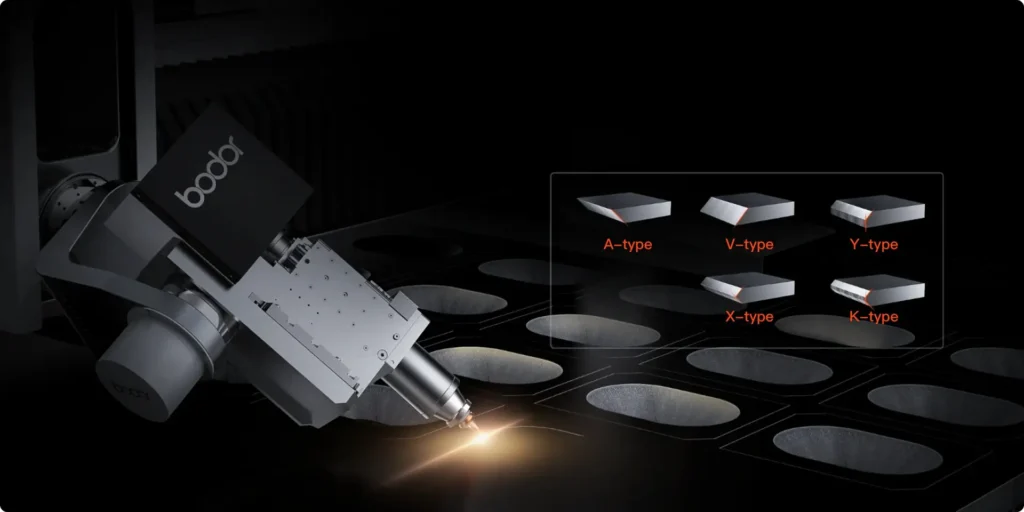
Choosing the right fiber laser cutter can make or break your metal production process. Many UK fabricators struggle to balance power, precision, and automation when picking a machine. This guide breaks down key factors like laser power, cutting heads, and automation features so you can select a Bodor fiber laser that fits your exact needs. Book a Bodor laser demo and site survey. Request sample cuts. Speak with our UK engineers today. Learn more about fiber laser cutters here.
Key Factors in Choosing a Laser Cutter
Selecting the best fiber laser cutter involves understanding various technical aspects. These elements directly impact your production efficiency and output quality. Let’s explore the core aspects to keep in mind.
Understanding Laser Power Options
Choosing the right laser power is crucial. It determines your machine’s ability to cut through different thicknesses of metal. For instance, a laser with 6kW, 12kW, or even 20kW power can handle a variety of materials from stainless steel to aluminium. The higher the power, the thicker the material it can cut. But remember, more power often means higher energy consumption. So, assess your material needs first. Are you cutting thin sheets or thicker plates? The answer will guide your power choice. For more insights on choosing laser power, refer to this laser cutter selection guide.
Importance of Autofocus Cutting Heads
Autofocus cutting heads are a game-changer in laser cutting. They automatically adjust the focal point, ensuring precise cuts every time. This feature minimizes human error and increases efficiency. Imagine reducing setup time and enhancing cut quality simultaneously. With an autofocus head, your cuts are consistent, whether you’re working on thin metals or intricate designs. It’s a must-have for anyone aiming for precision without constant manual adjustments.
Benefits of Shuttle Table Automation
Shuttle table automation significantly boosts productivity. It allows you to load and unload materials seamlessly, ensuring continuous operation. This feature cuts down idle time, meaning your machine is always working, not waiting. For businesses looking to scale operations, shuttle tables are invaluable. You’re not just investing in a machine but in a system that maximizes output and efficiency.
Evaluating Machine Specifications
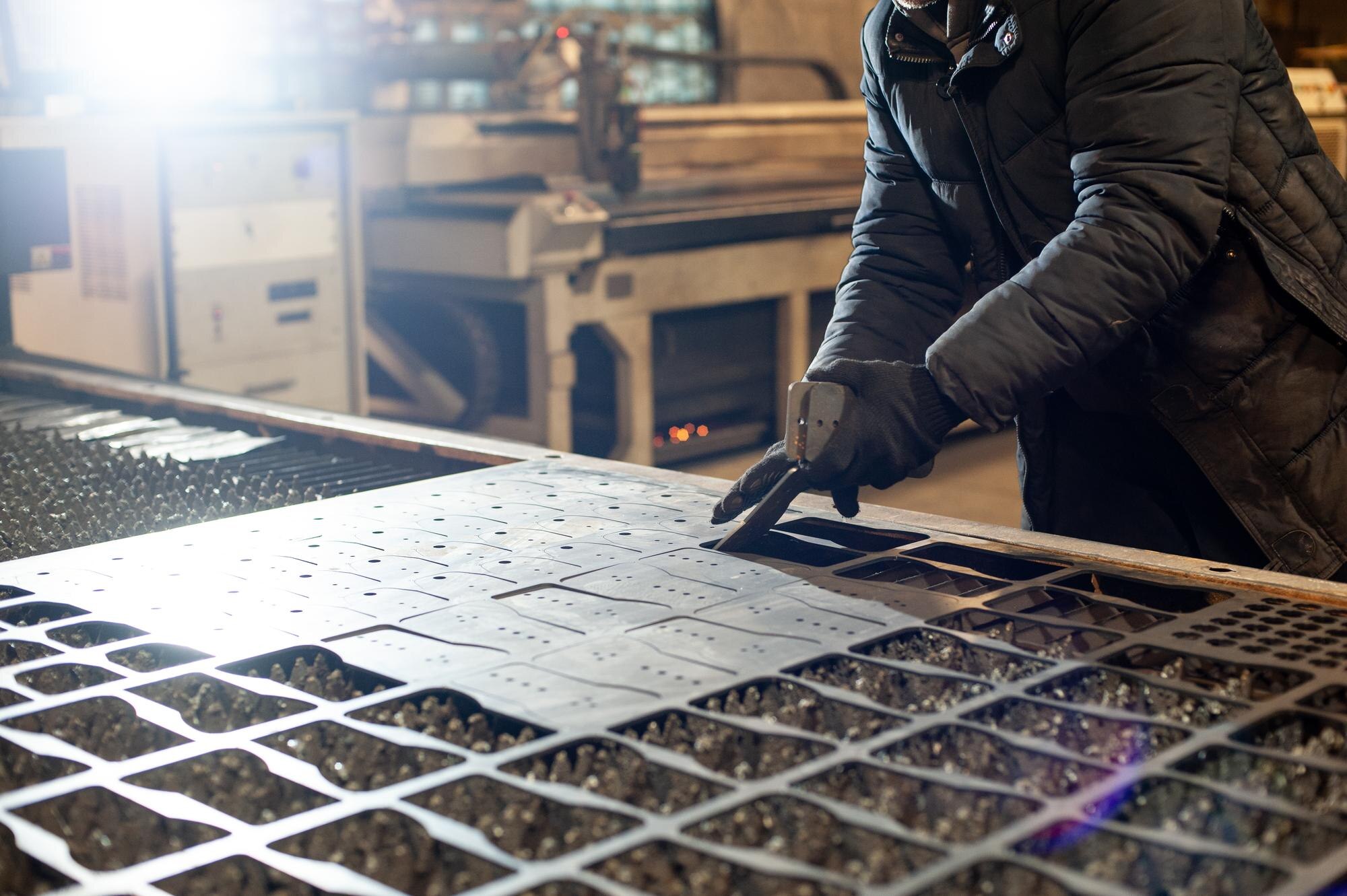
Understanding machine specifications helps tailor your purchase to your specific needs. From bed sizes to cooling systems, every detail matters.
Comparing Bed Sizes and Capacities
Bed size directly affects your cutting capabilities. Larger beds accommodate bigger sheets, ideal for large-scale projects. But, if your focus is on smaller, intricate parts, a compact bed might suffice. Always consider the scale of your projects. The right bed size ensures you can handle your workload efficiently without unnecessary material handling.
Assist Gas Options and Benefits
Assist gases like nitrogen, oxygen, and air play a pivotal role in laser cutting. They help in achieving cleaner cuts and faster processing speeds. Oxygen, for example, improves cutting speed on mild steel, while nitrogen ensures clean edges on stainless steel without oxidation. Understanding these options can dramatically improve your cut quality and operational speed.
Role of Fume Extraction and Cooling
Fume extraction and cooling systems are essential for maintaining a safe and efficient workspace. They remove harmful fumes and regulate temperature, ensuring the longevity of your machine. An efficient extraction system reduces maintenance frequency, while a good cooling system prevents overheating, preserving machine integrity and performance.
Enhancing Productivity and Maintenance
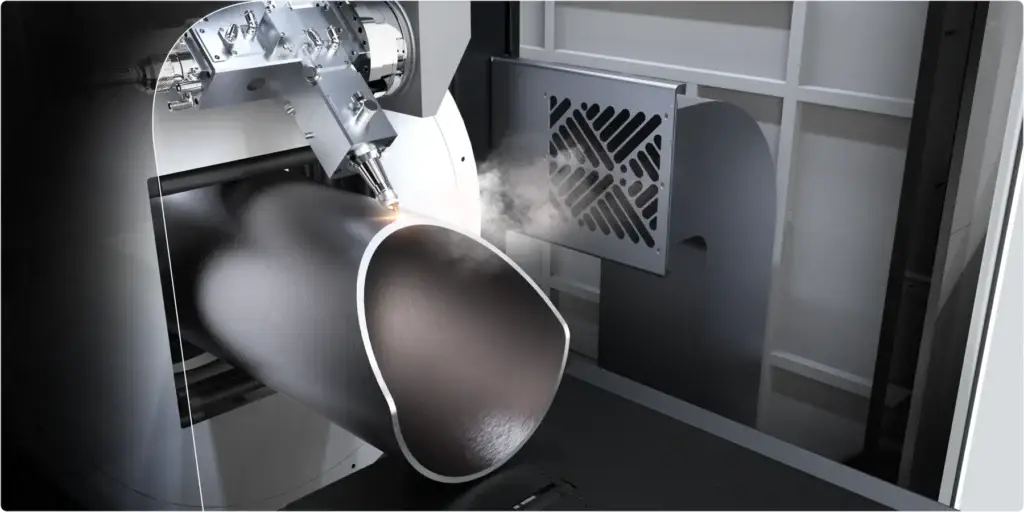
Boosting productivity isn’t just about speed; it’s about integrating smart systems and ensuring seamless operation.
CNC Integration and Monitoring
CNC integration allows for precise control and monitoring of cutting processes. It enhances accuracy and repeatability, crucial for large production runs. With real-time monitoring, you can detect issues quickly, reducing downtime and maintaining smooth operations. Industry 4.0 monitoring is becoming standard in high-tech production environments.
Finance and Trade-in Opportunities
Investing in a new laser cutter is a significant decision. Financing options can make this process smoother, offering flexibility and easing the financial burden. Trade-in opportunities also add value, allowing you to upgrade without starting from scratch. Consider these options to ensure a cost-effective transition to new technology.
UK Support and Service Benefits
Local support is invaluable. With UK-based service, you gain quick access to maintenance and technical assistance, minimizing downtime. This support ensures your machine operates at peak performance, providing peace of mind and reinforcing your investment’s value. For more on the importance of local service, visit this resource.
Frequently Asked Questions
What is the best laser power for cutting thick metals?
For cutting thick metals, a laser with higher power, such as 12kW or 20kW, is recommended. It provides the necessary intensity to efficiently cut through thicker materials without compromising speed or quality.
How does an autofocus cutting head improve precision?
An autofocus cutting head automatically adjusts the laser’s focal point for optimal precision. This reduces manual errors and ensures consistent quality cuts across various material thicknesses.
Why is shuttle table automation beneficial?
Shuttle table automation enhances productivity by allowing continuous operation. It enables seamless loading and unloading of materials, significantly reducing machine downtime and maximizing output.
What are the benefits of using assist gases in laser cutting?
Assist gases like nitrogen and oxygen improve cutting speed and quality. Oxygen increases speed on mild steel, while nitrogen ensures clean, oxidation-free edges on stainless steel.
How important is local support for laser cutters?
Local support is crucial for minimizing downtime and ensuring efficient operation. Having access to quick maintenance and technical assistance helps maintain machine performance and extends its lifespan.