
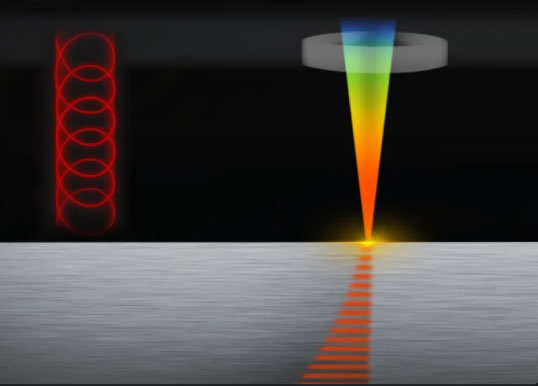
Choosing the right fiber laser cutter UK manufacturers trust can make or break your production targets. Many firms struggle to match throughput, quality, and return on investment with their current equipment. This guide breaks down key factors to consider when selecting a Bodor fiber laser UK, from power options like 6kW and 12kW fiber lasers to automation and after-sales support. Read on to find out how World Machinery Shropshire helps you secure reliable, high-performance CNC fiber laser machines tailored to your needs. Book a free consultation and live Bodor demo today.
Understanding Fiber Laser Specifications
When choosing a fiber laser cutter, understanding the specifications is crucial for making a smart investment. Let’s explore what makes these machines tick.
Power Options: 6kW to 12kW
Selecting the right power option is key to achieving desired results. A 6kW fiber laser is ideal for thinner metals and offers fine, precise cuts. It’s perfect for tasks that require finesse over brute strength. On the other hand, a 12kW fiber laser handles thicker materials, providing robust cutting power. This option suits operations dealing with heavy-duty materials where speed and power are paramount. By matching the laser’s power to your needs, you ensure efficiency and quality in your production line.
Bed Sizes and Configurations
The size and configuration of a laser cutter’s bed influence your production capabilities. Larger bed sizes accommodate bigger sheets, reducing the need for frequent repositioning. This means less downtime and higher productivity. Configurable beds offer flexibility, allowing you to adjust the setup based on the material and project requirements. Tailoring the machine to your workflow optimizes your output and can significantly cut operational costs.
Cutting Techniques: Nitrogen vs. Oxygen
The choice between nitrogen and oxygen as assist gases depends on your cutting goals. Nitrogen laser cutting delivers clean, oxide-free edges, perfect for parts needing post-processing. It’s ideal for stainless steel and aluminum where surface finish matters. Oxygen laser cutting, on the other hand, is faster and more intense, suitable for thicker materials. This method works well when speed is prioritized over edge quality. Each technique offers distinct advantages, and understanding these can help you choose the right approach for your projects.
Evaluating Laser Cutter Features
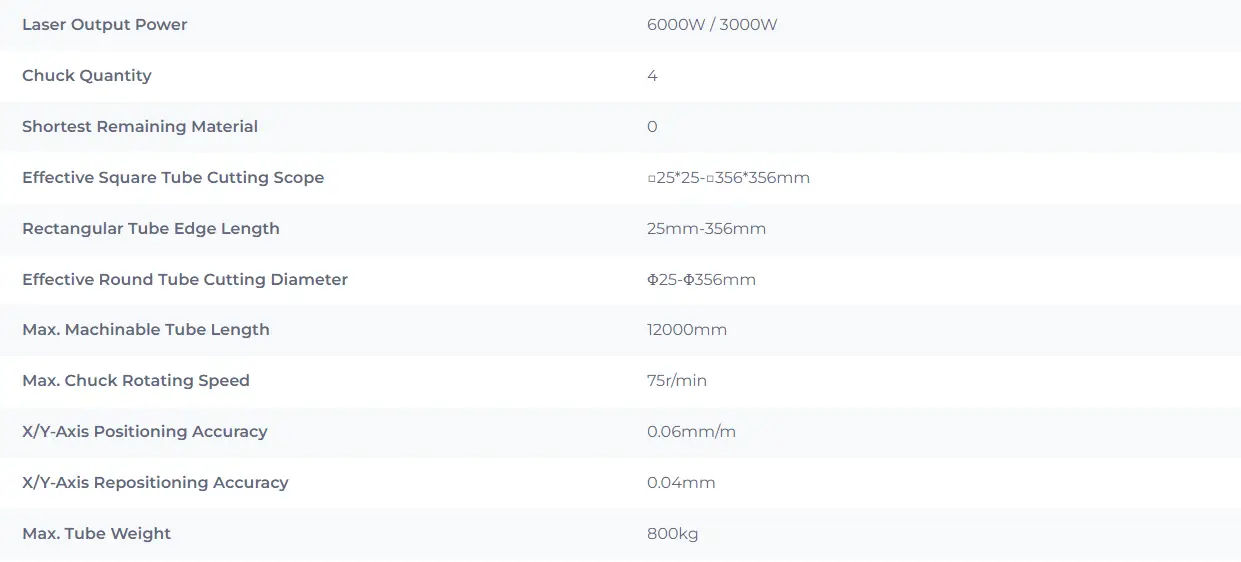
Features of a laser cutter can make a significant impact on your overall production efficiency. Here’s how different features add value.
Automation: Load/Unload Systems
Automation is a game-changer in modern manufacturing. Load and unload systems can significantly boost your workflow efficiency. These systems reduce manual handling, saving time and minimizing errors. With automated systems, your team can focus on other critical tasks, leading to increased productivity. Such systems are especially beneficial in high-volume environments where speed and consistency are essential.
Nesting Software Capabilities
Using advanced laser nesting software helps maximize material usage. This software optimally arranges parts on a single sheet, reducing waste. Efficient nesting not only saves material costs but also shortens cutting time. By integrating nesting software, you streamline your production, making it more cost-effective. This feature ensures that every inch of material contributes to your output, enhancing profitability.
Maintenance and After-Sales Support
Maintenance is crucial for keeping your machine in top condition. Reliable after-sales support in the UK ensures minimal downtime and extended machine life. Having access to expert technicians means that any issues can be resolved quickly, keeping your operations running smoothly. Investing in a machine with strong support services ensures peace of mind and a better return on investment.
Making the Right Investment
Deciding on the right laser cutter involves more than just the machine. Consider financial flexibility and trusted partnerships.
Finance and Trade-in Options
Flexible laser cutter finance in the UK makes acquiring new technology accessible. Financing options allow you to spread the cost, easing budget constraints. Additionally, trade-in options for used fiber lasers provide value for older equipment, making upgrades more affordable. These financial solutions enable you to invest in cutting-edge technology without straining your resources.
Partnering with World Machinery Shropshire
Choosing the right partner can transform your purchasing journey. World Machinery Shropshire offers comprehensive support from selection to installation. Their expertise ensures you get a machine that fits your exact needs. With UK-based maintenance and training, they provide a seamless experience, ensuring you maximize your investment.
Live Demos and Sample Cuts
Seeing the machine in action is invaluable. Attend live demos to witness the capabilities of CNC fiber laser machines firsthand. Sample cuts provide tangible evidence of performance, helping you make informed decisions. These demonstrations are an opportunity to ask questions and see how different settings affect outcomes, ensuring you choose a machine that delivers as promised.
Frequently Asked Questions
What power laser do I need for metal cutting?
Choose a power level based on material thickness. A 6kW laser suits thin metals, while a 12kW option handles thicker materials efficiently.
How does nesting software benefit my production?
Nesting software optimizes material use by arranging parts to minimize waste. This reduces costs and speeds up production.
Why is after-sales support important?
After-sales support ensures your machine runs smoothly, minimizing downtime and extending its lifespan. Quick access to expert help resolves issues efficiently.
What are the benefits of automation in laser cutting?
Automation improves efficiency by reducing manual handling. Load/unload systems save time, enhance precision, and boost productivity.
How can I finance a new fiber laser cutter?
Flexible finance options spread the cost, making it easier to invest in new technology. Trade-in deals can also offset costs, easing the upgrade process.