
How to Evaluate Used Metalworking Machinery for Your Business
Buying used metalworking machinery can seem like a gamble. You need CNC machines and Bodor fiber lasers that deliver precision without hidden issues. Our step-by-step guide breaks down machinery evaluation to help you spot quality and avoid costly mistakes. Read on to learn how to secure industrial equipment that boosts your business with confidence. Contact us for expert advice on used machinery. For more detailed tips, check out this guide.
Essential Evaluation Steps
Starting the process of purchasing used metalworking equipment involves several key steps. Each part of the evaluation ensures you choose machinery that meets your needs effectively.
Inspect Machine Condition
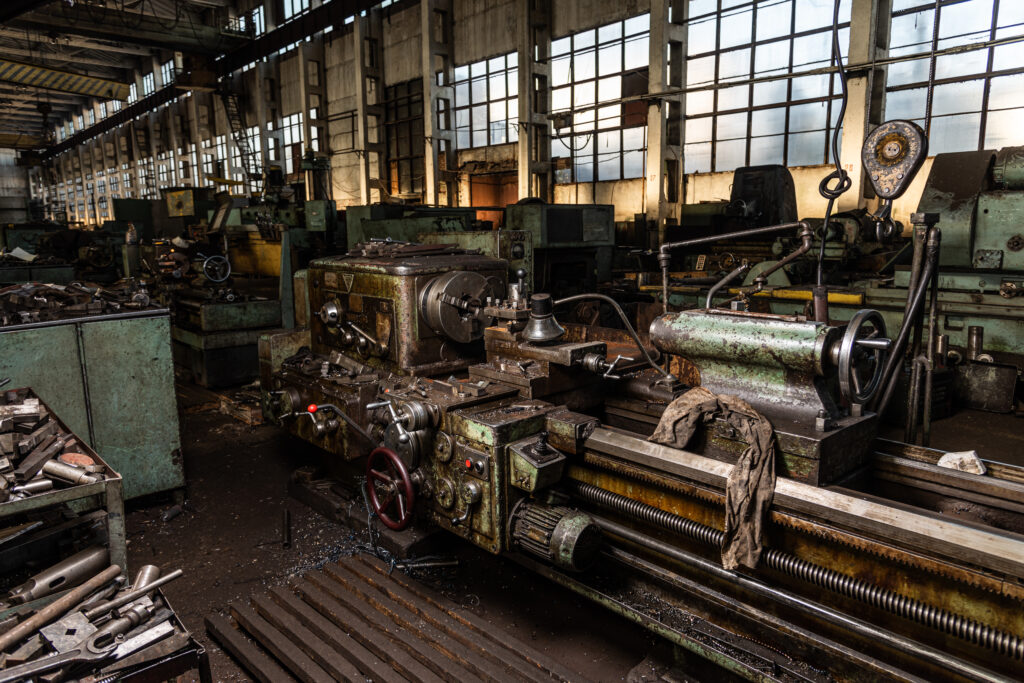
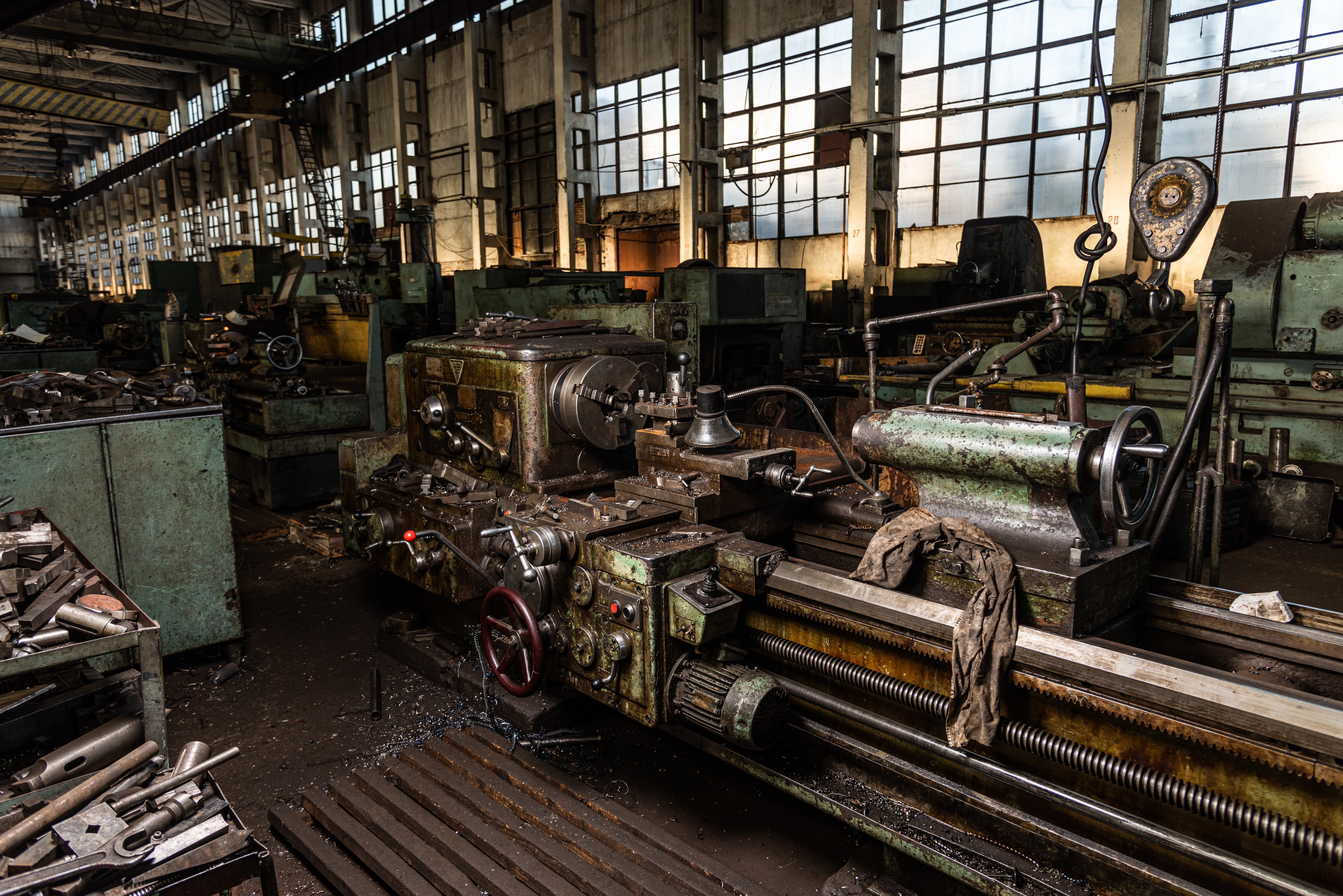
The first step is all about the machine’s physical state. Look closely at all visible parts. Scratches and dents might indicate rough handling. Examine controls and displays, ensuring they function properly. You don’t want surprises later. A machine that looks well-kept is usually a sign of good maintenance.
Next, assess the wear and tear on crucial components. Focus on moving parts like gears and belts. Ask for a demonstration to see everything in action. This isn’t just about seeing if it works. It’s about noticing how smoothly it operates. Faulty machines can lead to downtime, costing your business time and money.
Assess Operational Capabilities
Once the condition is verified, examine the machine’s functionality. Does it perform the tasks you need? Test it with different materials and see the results. The machine should handle its tasks without struggle.
Check compatibility with existing systems. Will it integrate with what you already use? This is vital for seamless operations. Also, confirm if the machine can handle future upgrades or new software. Investing in a machine without these capabilities could limit your growth.
Verify Maintenance Records
Maintenance records are a window into the machine’s past. They tell you how well it was cared for. Look for regular service entries. A machine with consistent maintenance is a safer bet. Gaps in history might signal neglect, which can lead to costly repairs.
Ask for documentation on any past repairs or parts replaced. Knowing the history helps predict future needs. It also gives clues about potential issues. A machine with a clean bill of health could save you from unforeseen expenses.
Cost and Value Analysis
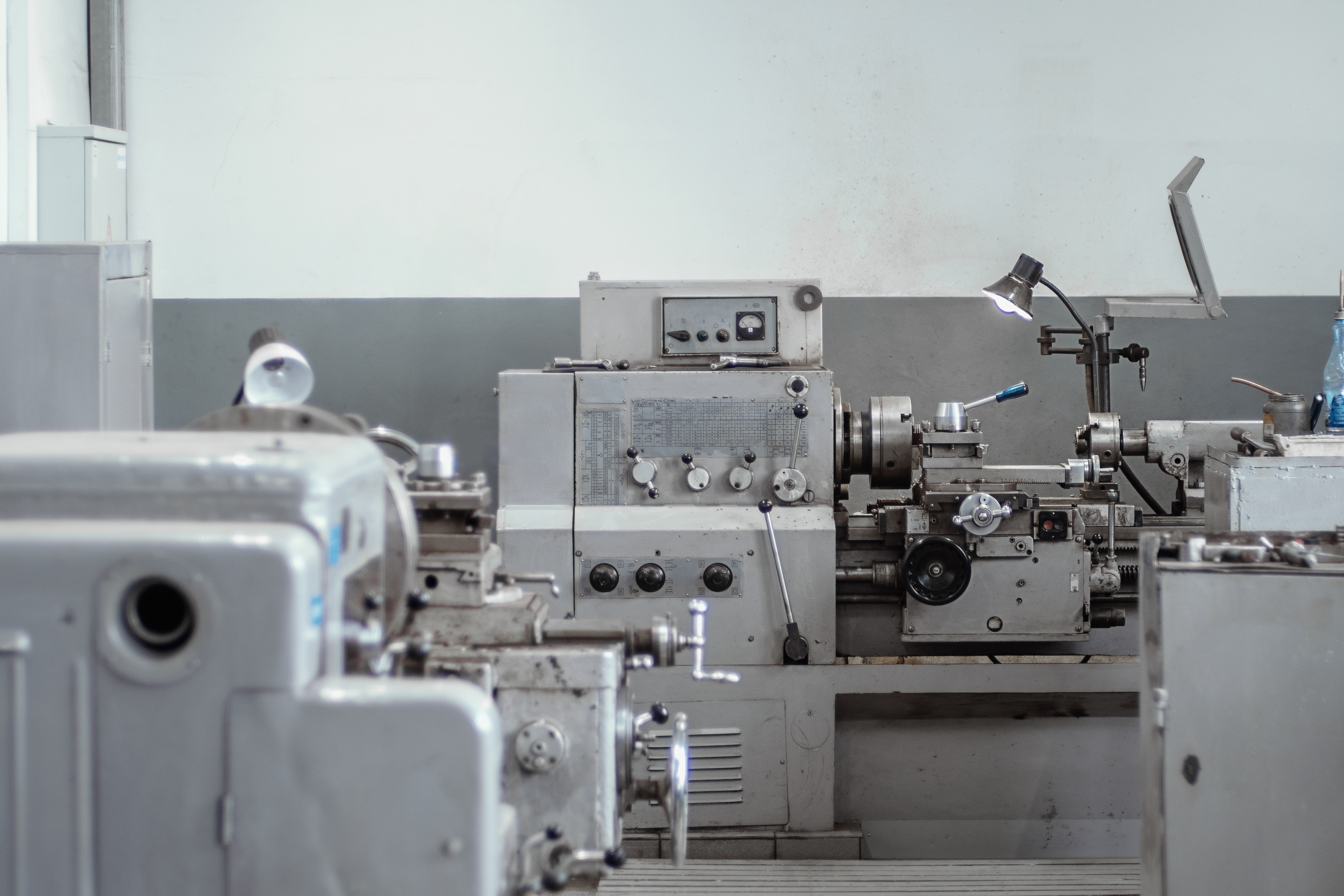
After assessing the machine, it’s time to evaluate its cost-effectiveness. Understanding the financial aspect ensures you make a smart purchase.
Compare Market Prices
Begin with a market comparison. Look at similar machines and their prices. This helps you understand the going rate. If a deal seems too good to be true, it probably is. Balance price against the machine’s condition and capabilities.
Research online platforms like this blog for current pricing trends. Consider the machine’s age and brand reputation. A slightly higher price might be justified for a reputable brand known for durability.
Calculate Long-term Value
Think beyond the initial cost. Consider the machine’s longevity and potential return on investment. How long will it serve your business? Consider maintenance costs and potential upgrades.
A cheaper machine might cost more over time if it requires frequent repairs. Prioritize machines with a track record of reliability. In the long run, investing a bit more upfront can lead to significant savings. Machines that are energy-efficient can also reduce operating costs, making them a smart choice.
Expert Consultation Benefits
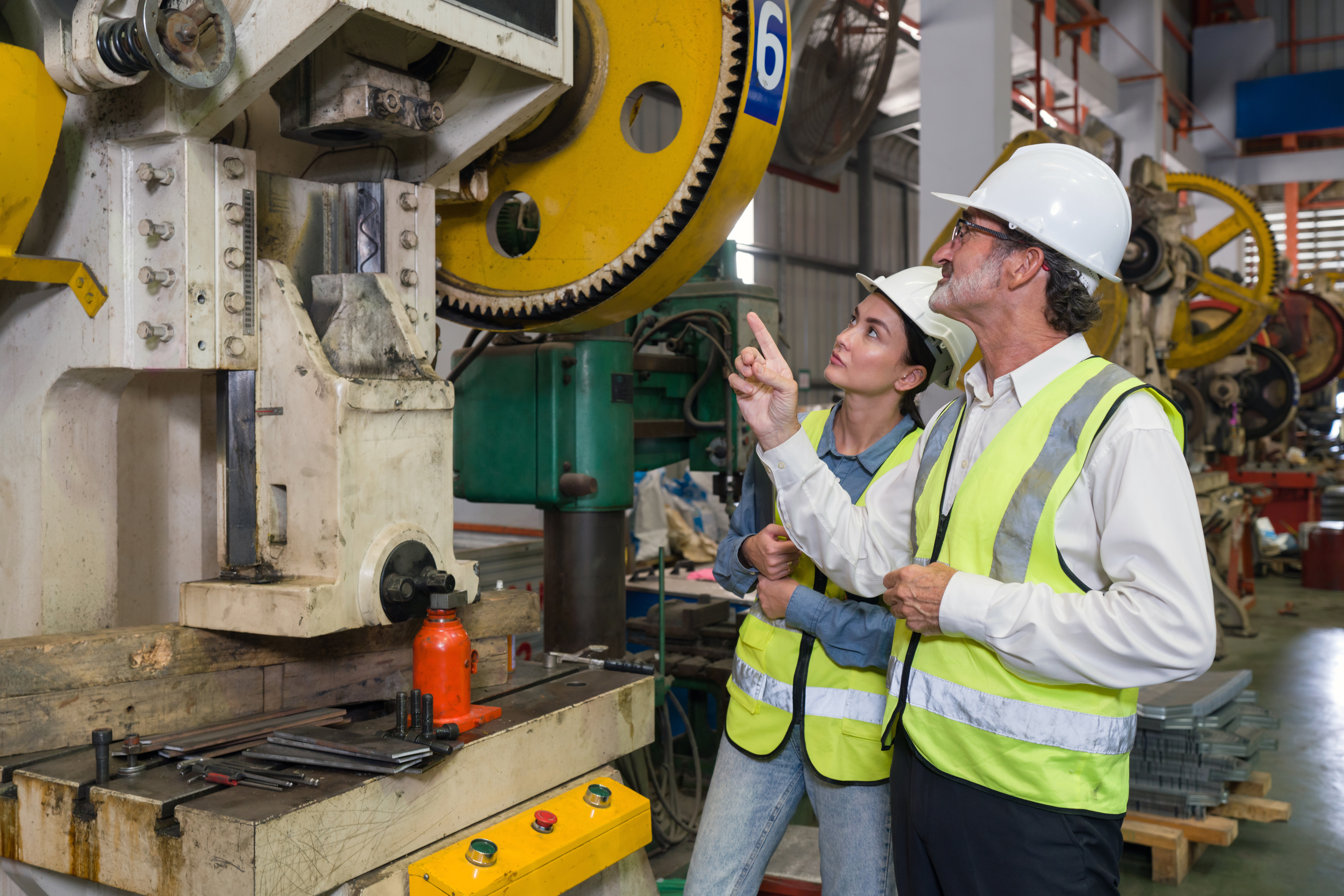
Seeking expert advice can be invaluable in this process. Professionals provide insights that can help you make the best decision.
Free Evaluation Consultation
Many suppliers offer free consultations. This service gives you an expert’s perspective on your needs. They can evaluate potential purchases with you, offering peace of mind.
During these consultations, ask questions. Their knowledge can guide you in making informed choices. A second opinion can confirm your findings or reveal overlooked details. Don’t underestimate the value of expert guidance in securing the right machine.
Tailored Machinery Recommendations
Experts can also suggest specific machinery tailored to your needs. They consider your current setup and future plans. This ensures the machine integrates seamlessly into your operations.
Their insights might introduce you to options you hadn’t considered. Custom recommendations can optimize your production line, increasing efficiency and output. This personalized service underscores the importance of choosing the right partner in your machinery purchase journey.
Evaluating used metalworking machinery requires a strategic approach. From inspecting condition to leveraging expert insights, each step is crucial. By following this guide, you’re equipped to make informed decisions that enhance your business’s productivity and efficiency.