
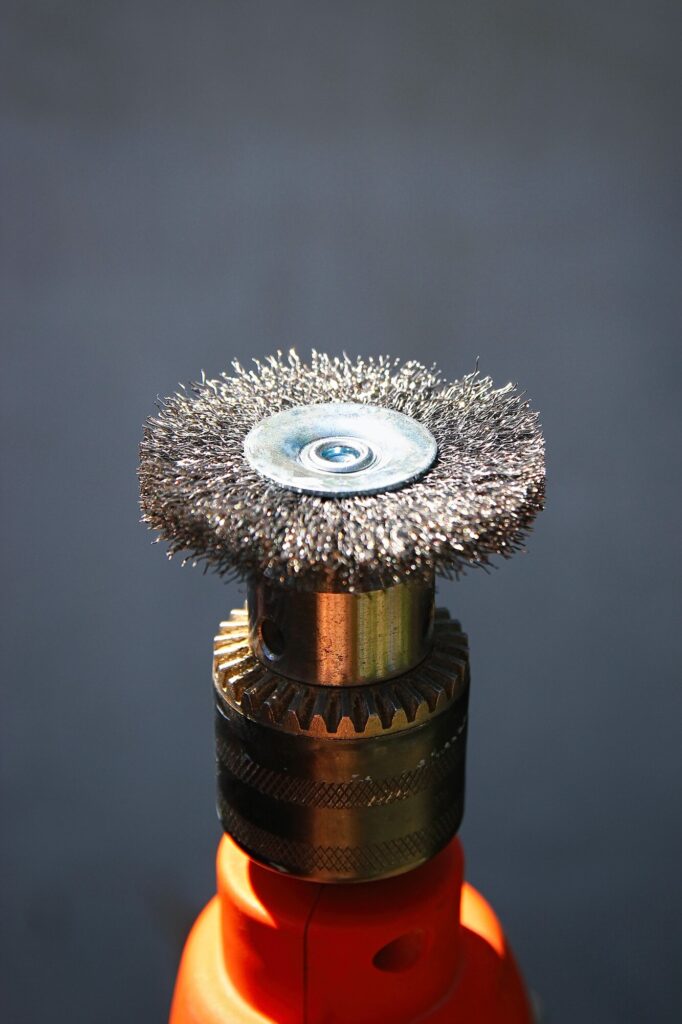
How to select the best deburring machine for your needs
Choosing the right deburring machine can make or break your sheet metal finishing process. With options ranging from wide belt sanders to planetary brushes, finding the right fit for laser cut parts, plasma cut parts, or punched parts takes more than guesswork. In this guide, you’ll learn how to match your production needs with the best burr removal and edge rounding solutions. Book a free assessment with World Machinery to see how our CNC finishing equipment can improve your workflow. For more information, you can also check this resource.
Understanding Deburring Machine Types
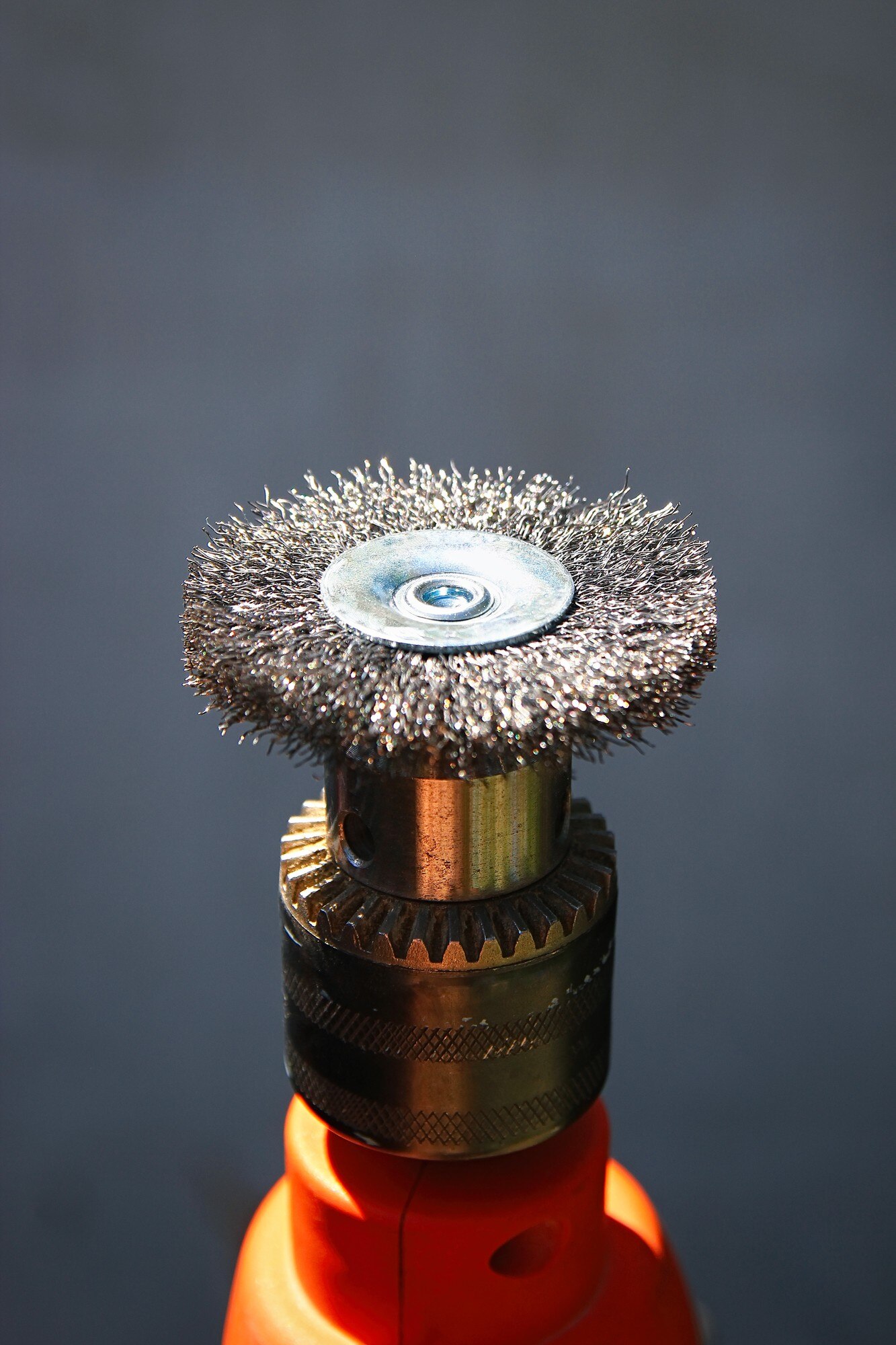
Choosing a deburring machine involves understanding different types and their uses. Let’s explore the options to find what fits your needs best.
Dry Deburring vs. Wet Deburring
Dry and wet deburring are two popular methods. Dry deburring involves using abrasive materials without liquid. This option works well for metals like aluminum and stainless steel. It’s often chosen for its simplicity and lower cost. However, dust can be a concern, which may require additional containment measures. On the other hand, wet deburring uses a coolant or lubricant. This reduces dust and heat, making it ideal for heat-sensitive materials. It also provides a cleaner finish, especially on laser cut parts. But remember, wet systems need more maintenance due to the presence of liquids.
Wide Belt Sander and Brush Deburring
Wide belt sanders and brush deburring machines each offer unique benefits. Wide belt sanders are versatile, handling large surfaces efficiently. They’re perfect for getting consistent finishes on flat metal parts. If you often work with sheets or larger profiles, this might be your solution. Brush deburring uses rotating brushes to remove burrs and round edges. This method suits intricate designs where precision matters. It excels in tricky areas that sanders can’t reach easily, providing a softer touch for delicate materials. Consider your typical projects to choose the right tool for your tasks.
Choosing Between Vacuum and Magnetic Conveyors
Conveyor choices affect how parts move through your machine. Vacuum conveyors hold parts in place using suction. They’re great for thin or lightweight materials that might shift. This method ensures stability during processing. Magnetic conveyors, on the other hand, are perfect for ferrous metals. They secure parts using magnetic force, preventing slippage. This is essential for precise deburring where movement could affect results. When deciding, think about the materials you process most often. Each conveyor type has strengths depending on your specific needs.
Key Features for Effective Deburring
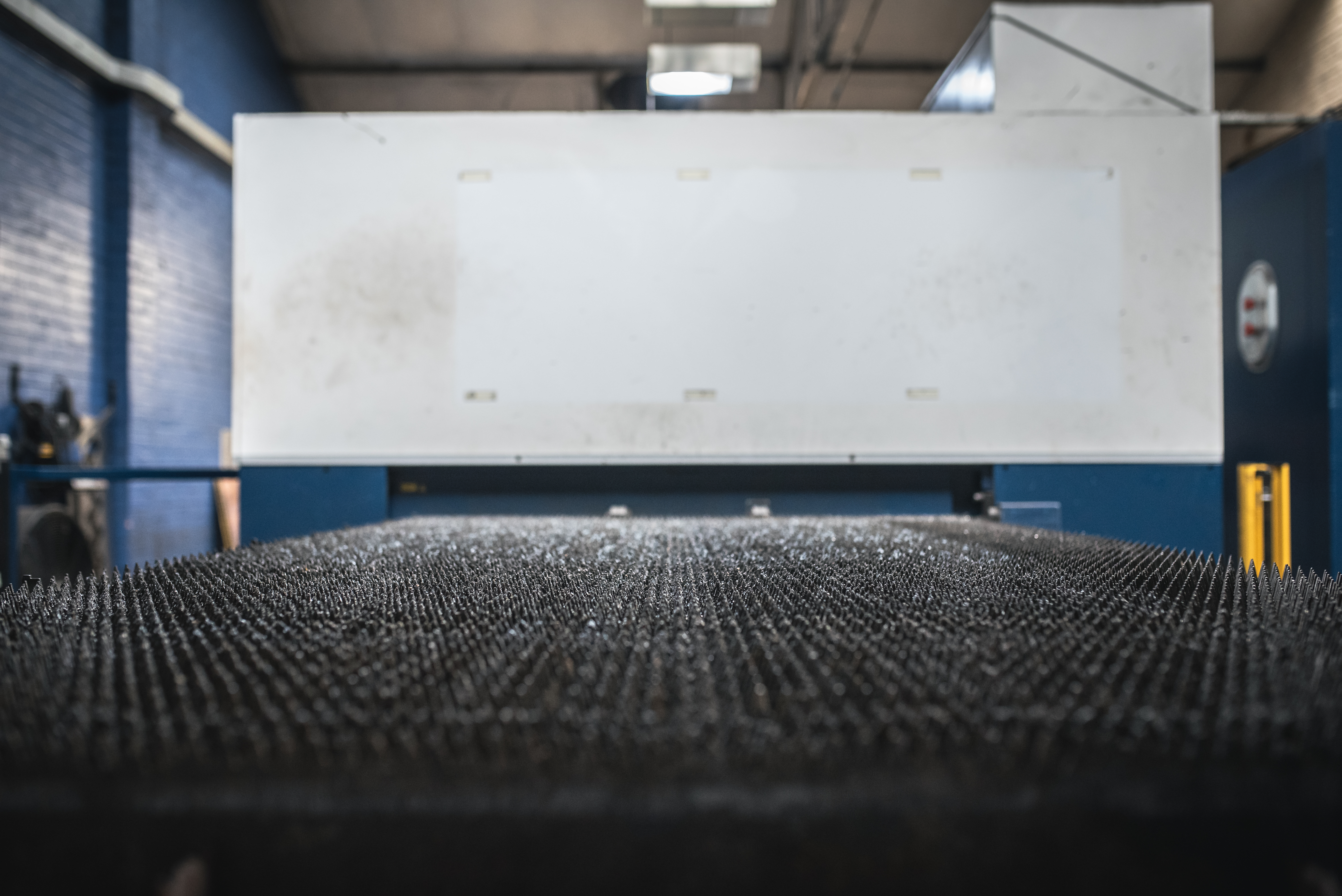
For successful deburring, focus on machines that excel in removing excess material and providing smooth finishes. Let’s delve into the features that matter.
Edge Rounding and Burr Removal
Achieving a smooth edge is crucial. Edge rounding ensures that sharp corners are softened, reducing injury risk and improving aesthetics. Machines with adjustable settings allow you to control the degree of rounding. This flexibility is key for different material thicknesses. Burr removal tackles those unwanted metal pieces left after cutting. Efficient burr removal improves product quality and ensures parts fit better. Look for machines known for their precision and speed in handling various materials to optimize your production line.
Importance of Slag and Oxide Removal
Slag and oxide can compromise the finish of your parts. Slag removal is necessary for parts cut by plasma or laser, where excess material can accumulate. Machines with powerful brushes or blades can effectively clear this, leaving a clean surface. Oxide removal is essential for preventing corrosion. This is particularly important for metals like aluminum and steel. Machines designed with oxide removal capabilities ensure long-lasting, rust-free parts. Prioritizing these features leads to better product performance and longevity.
Selecting the Right Machine for Your Needs
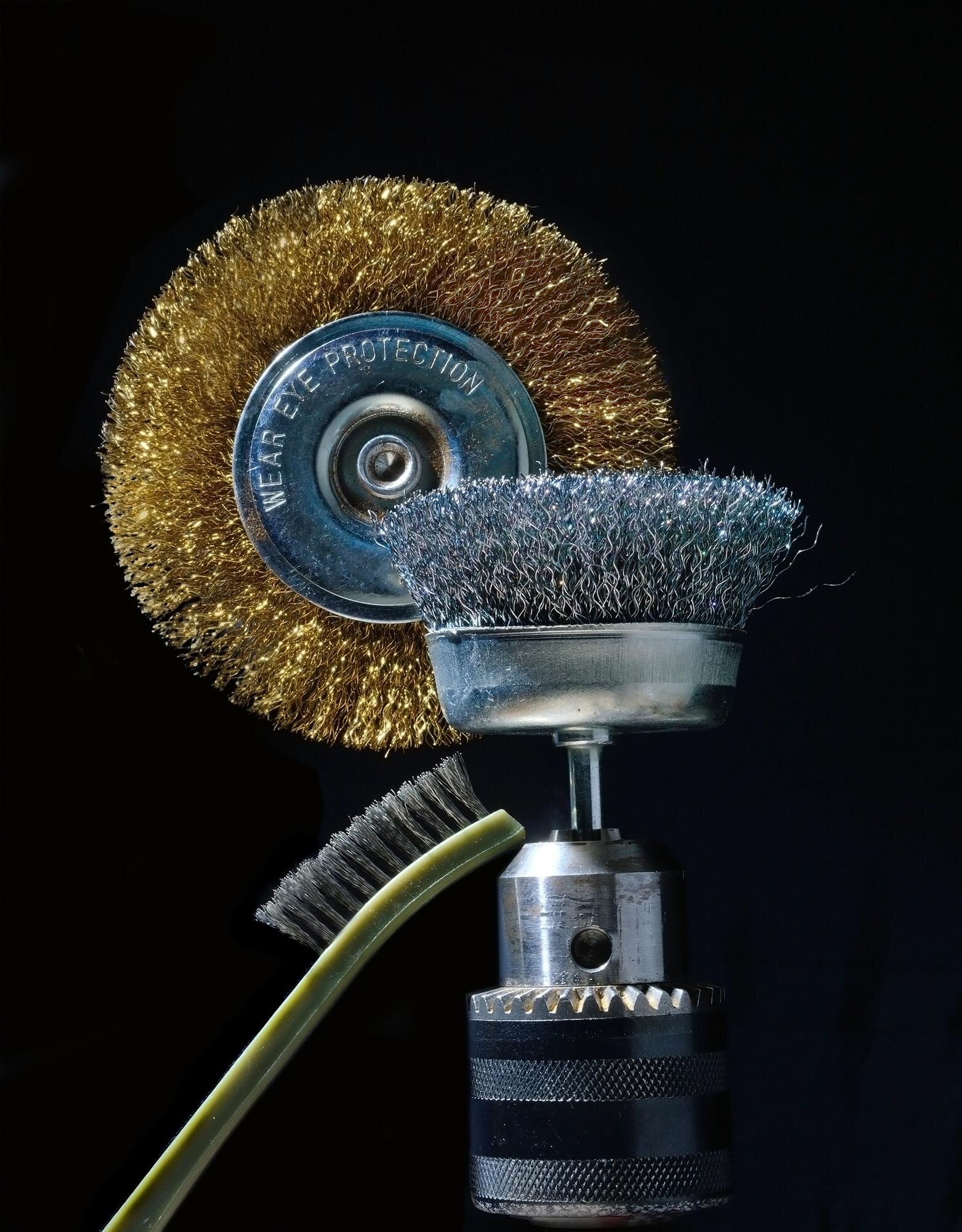
Choosing the best machine involves considering material, part specs, and specialized support. Here’s what you should focus on.
Considering Material and Part Specifications
Your choice depends heavily on the materials you work with. Stainless steel deburring requires machines with robust settings to handle hard metals. Aluminum deburring might need softer touch to avoid damage. Part size also matters. Large parts benefit from wide belt sanders, while smaller, intricate parts might need brush deburring. Understanding your specific material and part needs helps tailor your machine selection effectively, ensuring efficiency and quality.
Tailored Solutions and Support from World Machinery
At World Machinery, we offer tailored solutions to fit your unique requirements. Our team of experts can guide you through selecting the right machine. We focus on precision and reliability, ensuring your production needs are met with high-performance equipment. With our comprehensive support and maintenance services, you gain peace of mind knowing your machinery is in capable hands. Explore our offerings and discover how we can enhance your manufacturing process with expert guidance and cutting-edge technology.
To learn more about selecting the best deburring machine, visit Techniks USA’s guide or check out MSI’s comprehensive guide. These resources provide in-depth insights into optimizing your deburring processes.