
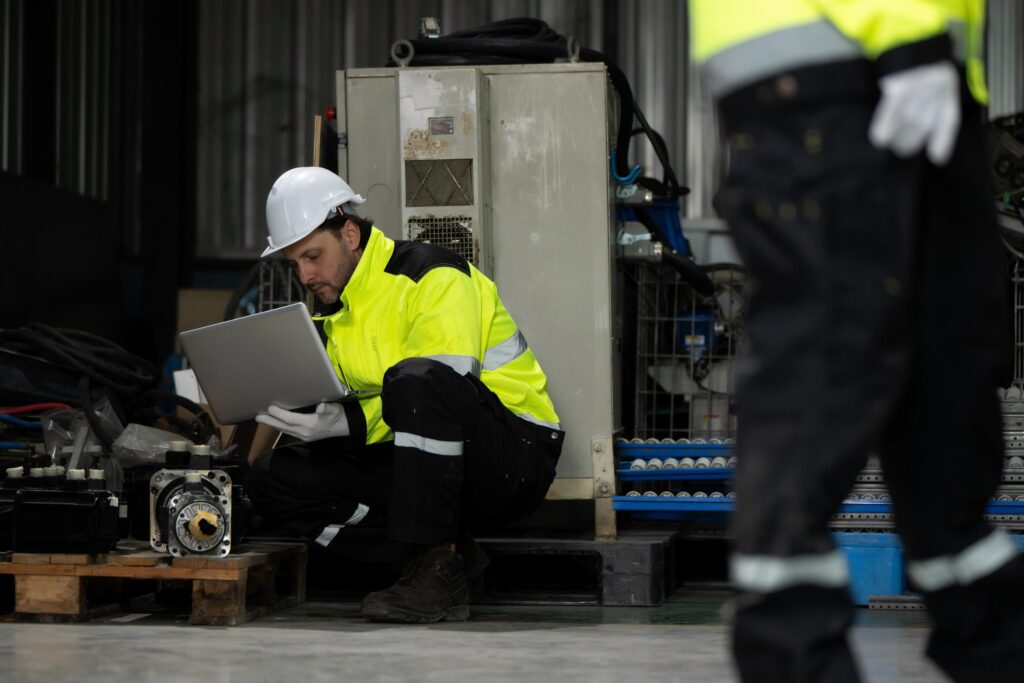
Upgrading your CNC machinery doesn’t have to mean stopping production. Many manufacturers face costly downtime during machine upgrades, but there’s a smarter way. With a clear plan for staged commissioning, out-of-hours installation, and CAD/CAM integration, you can keep your lines running smoothly. This guide shows how a CNC machinery upgrade can happen without disrupting your production continuity. Book a free on-site upgrade planning consultation with our engineers today. For more insights on reducing downtime, visit this resource.
Book your free consultation with our engineers today.
Strategic Upgrade Planning
A seamless CNC machinery upgrade hinges on strategic planning. Let’s delve into the essentials of maintaining production while enhancing your capabilities.
Conducting a Comprehensive Site Survey
To kick off your upgrade, a thorough site survey is crucial. Experienced engineers should assess your current layout, machinery, and workflows. This step identifies potential challenges and opportunities within your facility. By pinpointing these factors early, you can tailor your upgrade to fit seamlessly with your operations. A well-executed survey ensures that your new machinery integrates smoothly, minimizing the risk of unexpected disruptions. For more on reducing downtime, check out this article.
Crafting a Detailed Upgrade Timeline
Once you’ve completed a site survey, it’s time to create an upgrade timeline. This timeline acts as your roadmap, outlining each phase of the upgrade process. Break down tasks into manageable steps, assign responsibilities, and set realistic deadlines. An effective timeline helps coordinate efforts across departments, ensuring everyone is on the same page. This structured approach reduces the chances of delays and keeps your project on track.
Ensuring Production Continuity
Maintaining production continuity during upgrades is a top priority. To achieve this, consider scheduling upgrades during off-peak hours or planned downtime. Additionally, prepare contingency plans to address unforeseen issues swiftly. Communication with your team is vital—keep them informed about the timeline and any potential disruptions. By prioritizing production continuity, you can navigate the upgrade process with minimal impact on your operations.
Efficient Installation Strategies
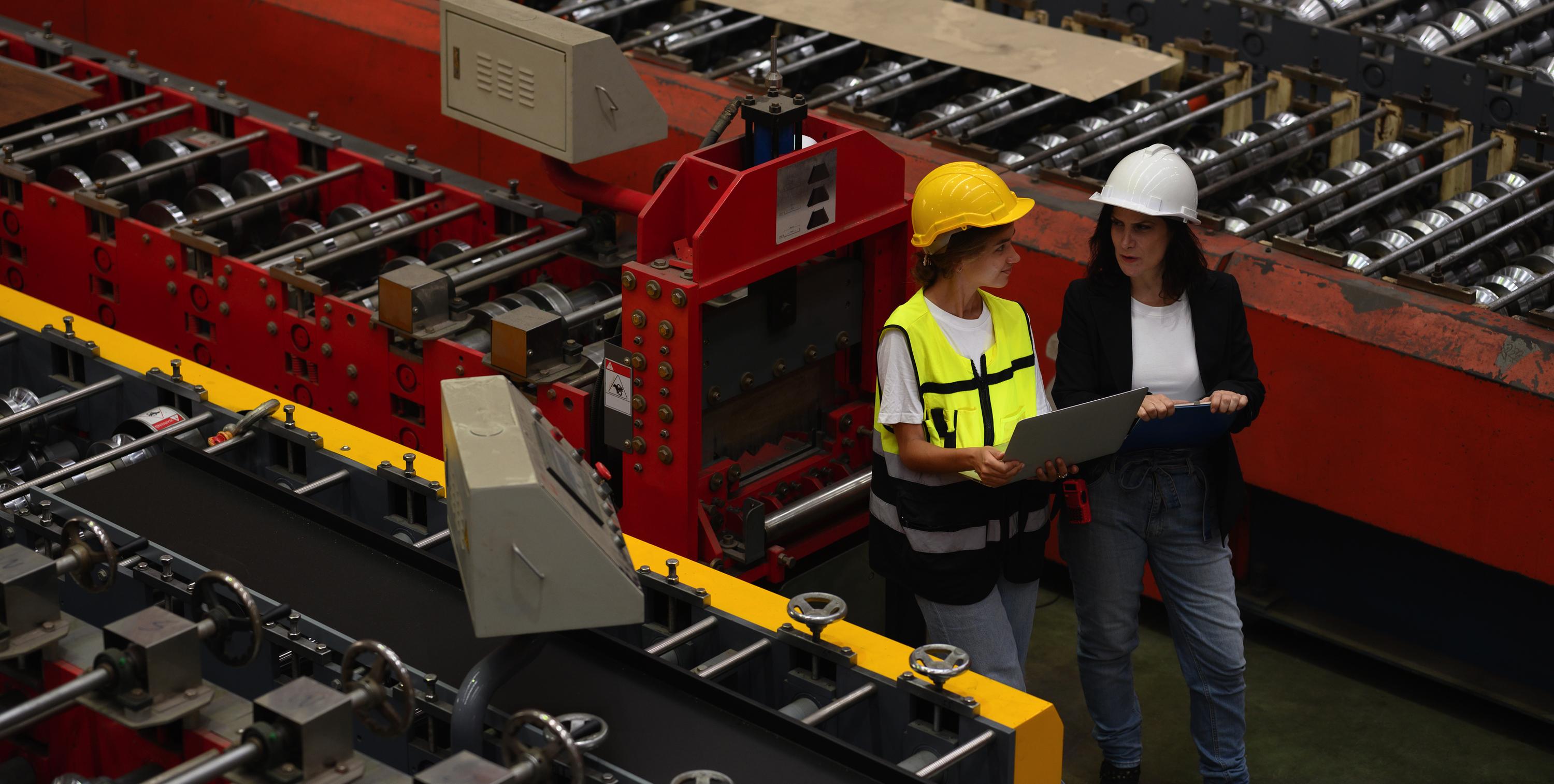
Maximizing efficiency during installation is key to minimizing downtime. Let’s explore strategies that keep your production running smoothly.
Staged Commissioning for Minimal Downtime
Staged commissioning involves upgrading machinery in phases rather than all at once. This approach allows you to maintain partial operation while integrating new components. By breaking the process into smaller steps, you can address any issues that arise without halting production entirely. Staged commissioning offers flexibility and reduces the risk of extended downtime, ensuring a smoother transition.
Out-of-Hours Installation Benefits
Consider scheduling installations outside of regular working hours. By doing so, you can avoid disrupting daily operations. Out-of-hours installations allow your team to work without interference from ongoing production activities. This strategy minimizes the impact of the upgrade on your overall output, enabling you to maintain productivity levels.
CAD/CAM and MES Integration Support
Integrating new machinery with existing CAD/CAM and MES systems is essential for seamless operations. Ensure that your upgrade plan includes provisions for this integration. By aligning your systems, you can streamline workflows and enhance overall efficiency. This step is crucial for achieving the full benefits of your new machinery.
Enhancing Post-Upgrade Performance

After completing your upgrade, focus on optimizing performance. Here are key strategies to consider.
Operator Training and Predictive Maintenance
Invest in comprehensive training for your operators to maximize the benefits of your new machinery. Well-trained operators can utilize the full potential of advanced features, leading to improved production outcomes. Additionally, implement predictive maintenance practices to proactively address issues before they impact operations. This approach ensures consistent performance and reduces the risk of unexpected downtime.
Automation and Industry 4.0 Integration
Embrace automation and Industry 4.0 technologies to enhance your production capabilities. These advancements enable real-time monitoring and data-driven decision-making, leading to increased efficiency and productivity. By integrating automation, you can reduce manual intervention and streamline processes, resulting in smoother operations.
CNC Trade-in and Machinery Finance UK Options
Consider trade-in options for your old machinery to offset the cost of new equipment. Additionally, explore financing options to make the upgrade more affordable. Flexible finance agreements can ease the financial burden and facilitate a smoother transition to advanced machinery.
Frequently Asked Questions
How do I minimize downtime during a CNC upgrade?
To minimize downtime, plan upgrades during off-peak hours and use staged commissioning for gradual integration. Effective communication and contingency planning are also essential.
What is the importance of a site survey before upgrading CNC machinery?
A site survey identifies potential challenges and opportunities in your facility, ensuring a tailored and seamless integration of new machinery with minimal disruption.
Why should I consider out-of-hours installations?
Out-of-hours installations prevent disruptions during regular operations, allowing your team to work without interference and maintaining productivity levels.
What role does operator training play in post-upgrade performance?
Operator training maximizes the benefits of new machinery, enabling efficient use of advanced features and improving overall production outcomes.
How can automation and Industry 4.0 integration benefit my operations?
Automation and Industry 4.0 technologies enhance efficiency by enabling real-time monitoring and data-driven decision-making, leading to streamlined processes and increased productivity.