

Upgrading your CNC machinery or fiber laser systems often feels like a gamble with production time. Most manufacturers face costly downtime that drags schedules and inflates expenses. Planning a machinery upgrade without disrupting production is challenging but achievable with the right approach. This guide shows you how to maintain production continuity while upgrading, covering everything from capacity planning to operator training. Request a free upgrade planning review with our engineering team today.
Planning the Machinery Upgrade
Upgrading your machinery is essential for staying competitive. Let’s dive into strategies for CNC, fiber lasers, and press brakes.
CNC Machinery Upgrade Strategies
CNC machinery upgrades require a clear plan. Start with identifying key areas that need improvement. Consider performance metrics such as speed and precision. Analyze your current machinery’s limitations. Assess whether retrofitting or replacing is the best choice. Retrofitting can be cost-effective, while new machines might offer better long-term gains.
Next, evaluate your budget and potential financing options. Flexible financing can ease the financial burden. Look for suppliers offering comprehensive support. This ensures a smooth transition with minimal disruptions. For instance, our team offers hands-on training and reliable after-sales support.
Effective Fiber Laser Upgrade Tactics
Fiber laser upgrades can significantly enhance productivity. Focus on key benefits like improved cutting speed and accuracy. Newer models often come with advanced features such as automation integrations. These can help reduce human error and increase efficiency.
Start by analyzing your current production needs. Determine the thickness and type of materials you mostly work with. This will guide your selection of the right laser technology. Keep in mind that automation options can vastly improve outcomes. Consider our Bodor fiber lasers in the UK, known for precise and burr-free cuts.
Press Brake Upgrade Techniques
Upgrading press brakes involves understanding specific requirements. Consider whether electric or hydraulic models fit your needs best. Electric press brakes offer energy efficiency and quieter operation. On the other hand, hydraulic systems provide controlled force for precise bends.
Evaluate the complexity of the bends you frequently perform. This will inform your choice between electric and hydraulic systems. Our expert team can help you assess and optimize your press brake selection. A tailored approach ensures you achieve the desired precision and efficiency.
Minimizing Production Downtime
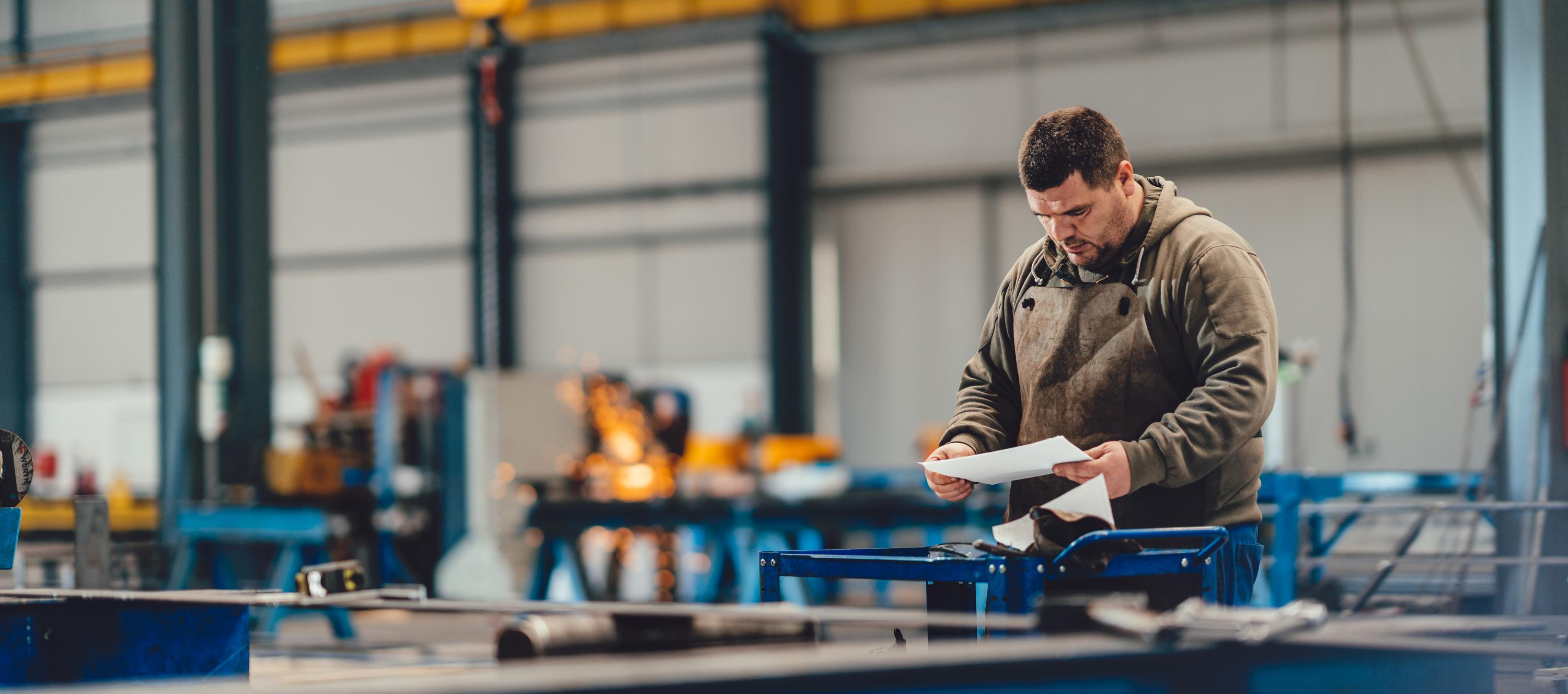
Reducing downtime is critical during upgrades. Explore methods to keep your production lines running smoothly.
Phased Changeover Approach
Implementing a phased changeover minimizes disruptions. Divide the upgrade into manageable phases. This allows production to continue alongside improvements. Carefully plan each phase to coincide with low-demand periods. This strategy keeps your output steady.
Communicate clearly with your team about the schedule. Everyone should understand the timeline and their roles. This coordination is key to a seamless transition.
Capacity Planning Essentials
Capacity planning helps you avoid bottlenecks during upgrades. Start with a detailed analysis of your production capacity. Identify potential constraints that could hinder progress. Tools like capacity planning software can be invaluable.
Consider backup strategies to cover any shortfalls. This could involve temporary outsourcing or adjusting shift patterns. Effective planning ensures that your upgrade doesn’t stall your production.
Installation Planning Best Practices
Efficient installation is crucial for minimizing disruptions. Prioritize a detailed installation schedule. Ensure your team is trained on new equipment before it arrives. This preparation reduces the learning curve and accelerates the transition.
Coordinate with your supplier for precise delivery and setup timelines. Our UK-based team offers prompt support and training to facilitate a swift installation process.
Ensuring Continuous Production
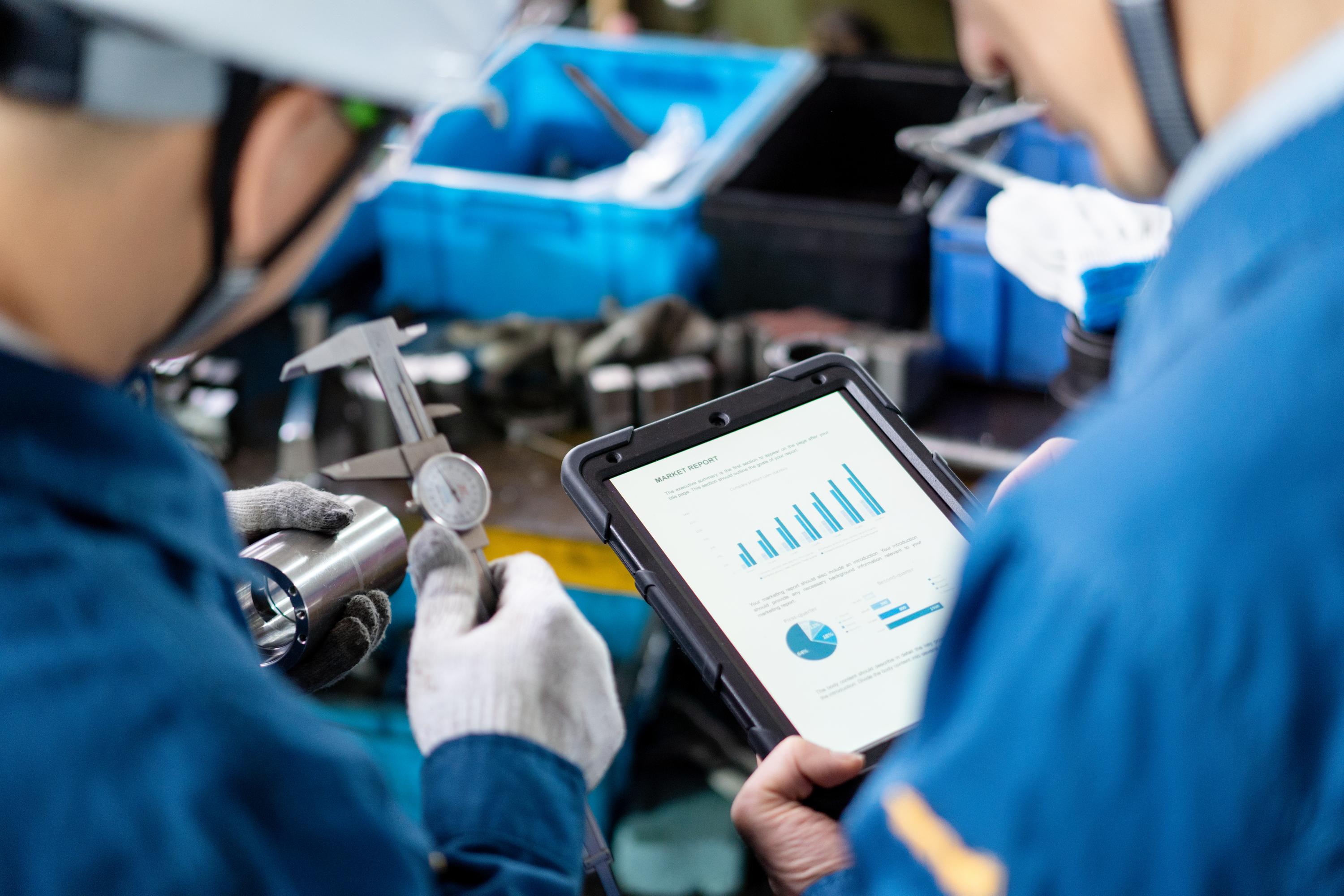
Keeping your production line running smoothly demands attention to detail and proactive strategies.
Operator Training Programs
Thorough operator training is vital for seamless production. Ensure your team is well-versed with new machinery. Training should cover both operational and safety aspects. Regular updates keep skills sharp and improve efficiency.
Our training programs are designed to boost confidence and competency. Well-trained operators are less likely to make costly errors, keeping your production on track.
After-Sales Support UK
Reliable after-sales support is a game-changer. Quick access to technical assistance reduces downtime. Choose a supplier offering robust local support. This ensures your machinery remains in top condition.
Our support team is always ready to assist, providing peace of mind and ensuring your machines operate at peak performance.
Preventive Maintenance Scheduling
Scheduled maintenance prevents unexpected breakdowns. Establish a routine maintenance schedule to catch issues early. This proactive approach extends your machinery’s lifespan and reliability.
Work with your supplier to create a customized maintenance plan. Our preventive maintenance services help maintain your machines’ optimal performance and minimize disruptions.
Frequently Asked Questions
How can I reduce downtime during a CNC machinery upgrade?
To reduce downtime, plan upgrades in phases, coordinate with your team, and schedule installations during low-demand periods.
What are the benefits of upgrading to an electric press brake?
Electric press brakes offer energy efficiency, quieter operation, and consistent results, making them ideal for precision work.
Why is after-sales support important?
After-sales support ensures quick technical assistance, maintaining machinery efficiency and reducing downtime.
How does operator training improve production?
Training equips operators with the skills needed for safe and efficient machinery use, reducing errors and maintaining production continuity.
What is the role of preventive maintenance in machinery upgrades?
Preventive maintenance identifies and resolves potential issues early, extending machinery lifespan and ensuring reliable performance.