
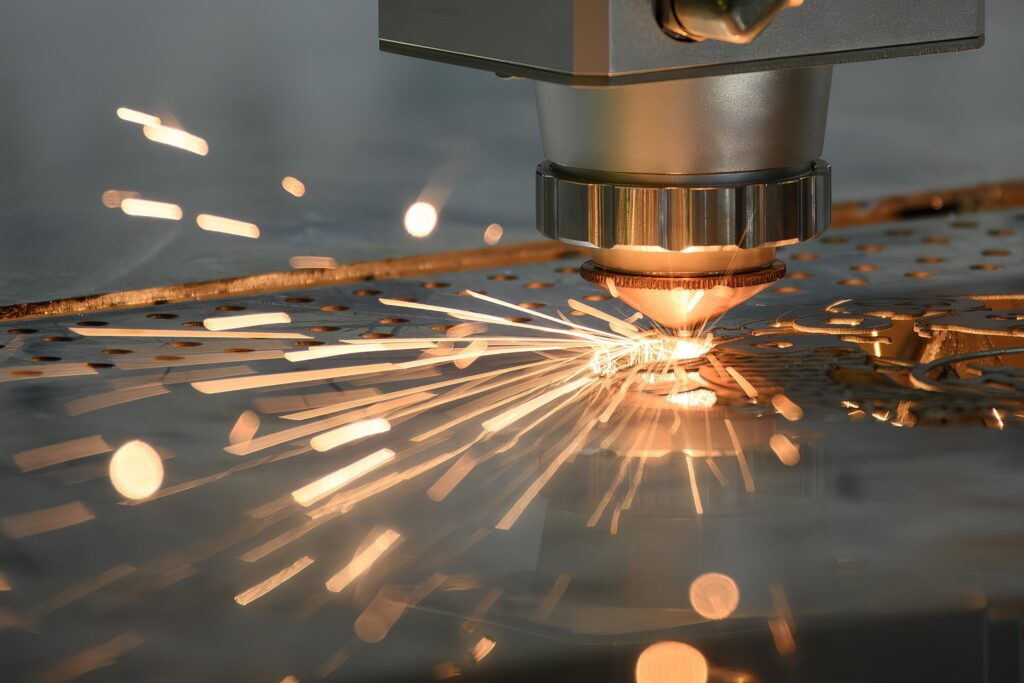
Choosing the right fiber laser cutter can make or break your sheet metal fabrication workflow. With options ranging from 3kW to 12kW laser power and features like Precitec or RayTools cutting heads, making the right call is crucial. This fiber laser buying guide breaks down key points like laser sources, assist gases, automation, and total cost of ownership to help you choose confidently. Book a no-obligation consultation and demo to see how a Bodor fiber laser fits your production needs.
Understanding Fiber Laser Options
Selecting the right fiber laser involves understanding its core components and capabilities. The power of the laser and the type of cutting head significantly impact the machine’s performance. By grasping these fundamental aspects, you can ensure your investment meets your production needs.
Power Levels: 3kW to 12kW
Laser power is pivotal. A 3kW laser suits thinner materials, while a 12kW option handles thicker metals with ease. Consider what you’ll cut most often. 3kW to 6kW lasers are ideal for mild steel and thinner stainless steel. For heavier applications, 10kW or 12kW options provide the strength needed. Investing in the right power level ensures efficiency and saves costs in the long run.
Choosing the Right Cutting Head
The cutting head determines precision. Precitec and RayTools are popular choices. Precitec heads offer high accuracy and are preferred for intricate work. RayTools heads are versatile, handling various materials with ease. Choose based on your primary material to ensure optimal performance. For precision tasks, Precitec heads excel. For general use, RayTools can be more cost-effective.
Selecting a Laser Source
A reliable laser source, like IPG or Max Photonics, ensures consistent output. IPG sources offer high stability and are well-regarded in the industry. Max Photonics provides a competitive alternative with good performance. Your choice impacts long-term reliability and maintenance needs. An IPG source might have higher upfront costs but often results in fewer downtimes.
Key Features for Fabrication
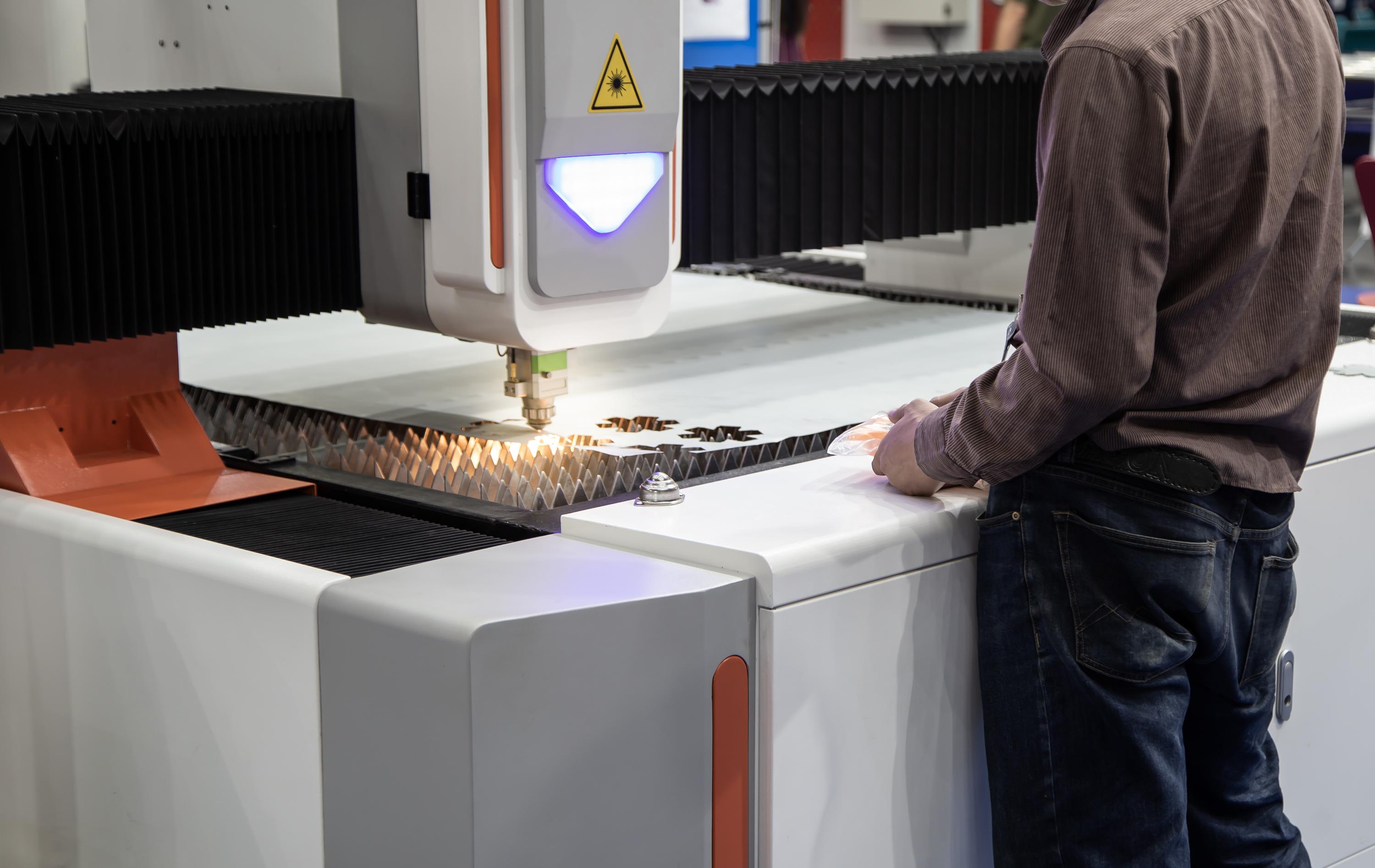
Once you know the basics, it’s time to focus on features that enhance productivity. From cutting capabilities to automation, these elements can significantly affect your workflow and output quality.
Sheet and Tube Cutting Capabilities
Versatile machines cut both sheets and tubes, expanding your options. A fiber laser that handles both reduces the need for multiple machines. Ensure the machine supports your specific materials, like stainless steel or aluminum. This capability offers flexibility and saves space.
Automation and Shuttle Tables
Automation boosts productivity. Shuttle tables allow continuous operation by loading and unloading materials quickly. This feature minimizes downtime and maximizes output. Efficient material handling translates to faster project completion and less manual labor. Automation integrates seamlessly, enhancing workflow.
Nesting Software and Fume Extraction
Nesting software optimizes material use. It arranges cutting patterns to reduce waste. This not only saves money but ensures efficient usage of every sheet. Fume extraction is vital for safety, capturing harmful particles during cutting. Effective extraction systems lead to a healthier work environment and comply with safety regulations.
Evaluating Total Cost and Support
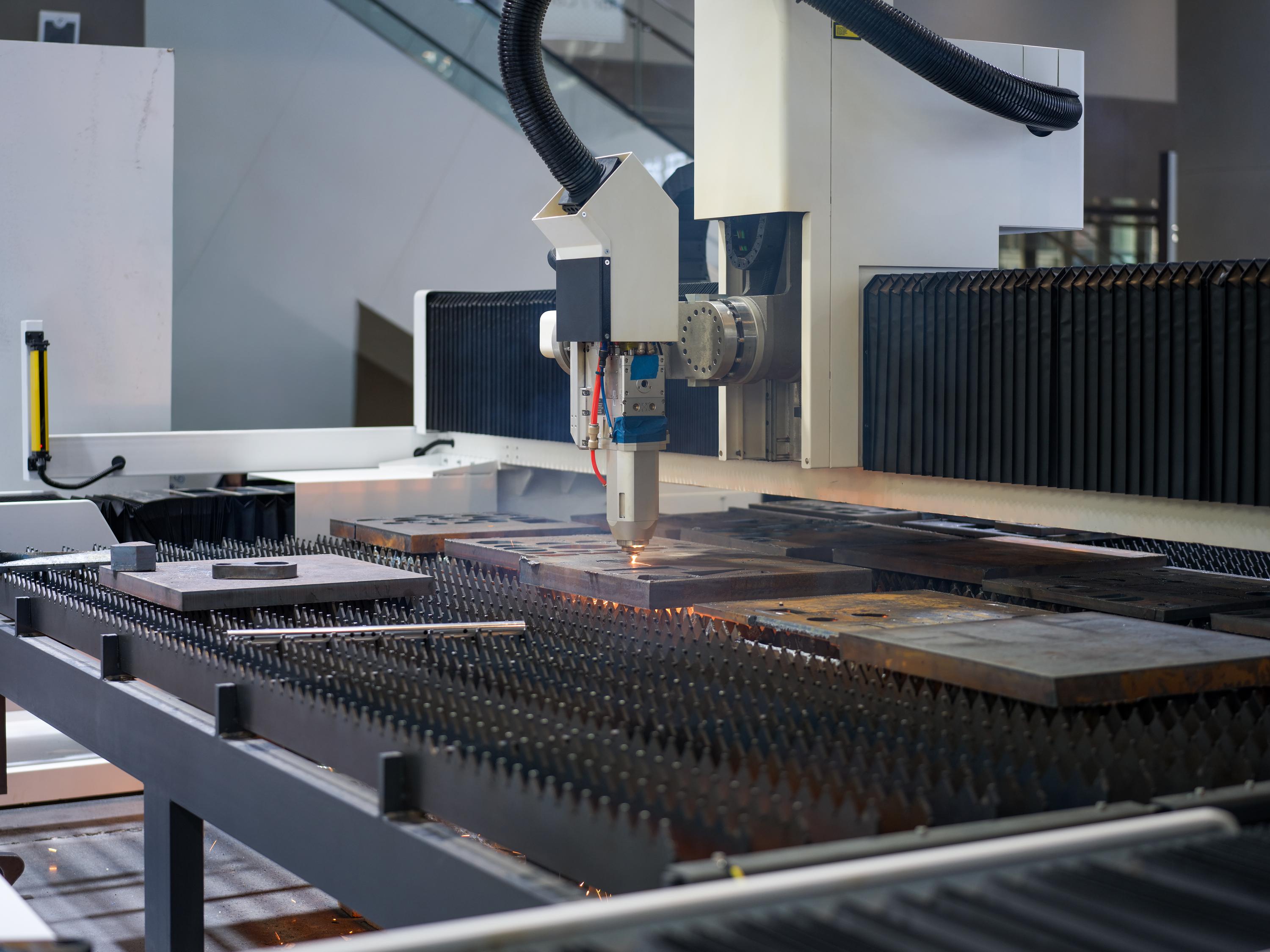
Understanding the total cost and available support is crucial. Beyond the initial purchase, consider long-term expenses and the support you’ll need to maintain smooth operations.
Finance and Trade-In Options
Flexible financing makes acquiring a fiber laser manageable. Consider trade-in options for old equipment, which can reduce costs. These financial solutions should align with your budget, ensuring you can invest in necessary technology without strain. Discuss terms thoroughly to understand all implications.
Installation and Maintenance Services
Proper installation ensures optimal performance. Reliable maintenance services prevent unexpected downtimes. Opt for providers offering comprehensive training and support to keep your machine running smoothly. This partnership can extend the life of your equipment and optimize its performance.
Used Machines and Upgrade Paths
Used machines offer cost-effective solutions. Inspected and maintained, they can perform as well as new. Consider upgrade paths to keep up with technology advancements. This flexibility allows for adapting to future needs without complete overhauls. Used options can be a strategic choice for budget-conscious buyers.
Frequently Asked Questions
What power level should I choose for my fiber laser?
This depends on the materials you primarily cut. For thinner metals, 3kW to 6kW is sufficient. For thicker materials, consider 10kW or 12kW.
Why is the cutting head important in laser selection?
The cutting head affects precision and adaptability to different materials. Precitec heads are ideal for precision, while RayTools are versatile for general use.
What are the benefits of automation in laser cutting?
Automation, such as shuttle tables, increases productivity by reducing downtime. It allows for continuous operation and minimizes manual labor.
How do I ensure safety while using a fiber laser?
Use proper fume extraction systems to capture harmful particles. This ensures a healthier work environment and compliance with safety standards.
Are used fiber lasers a good investment?
Yes, if inspected and maintained, used lasers can deliver similar performance to new ones, offering a cost-effective alternative.