High-quality hardware
Frame, tooling and structural components are designed around stiffness, load capacity and long-term production stability.

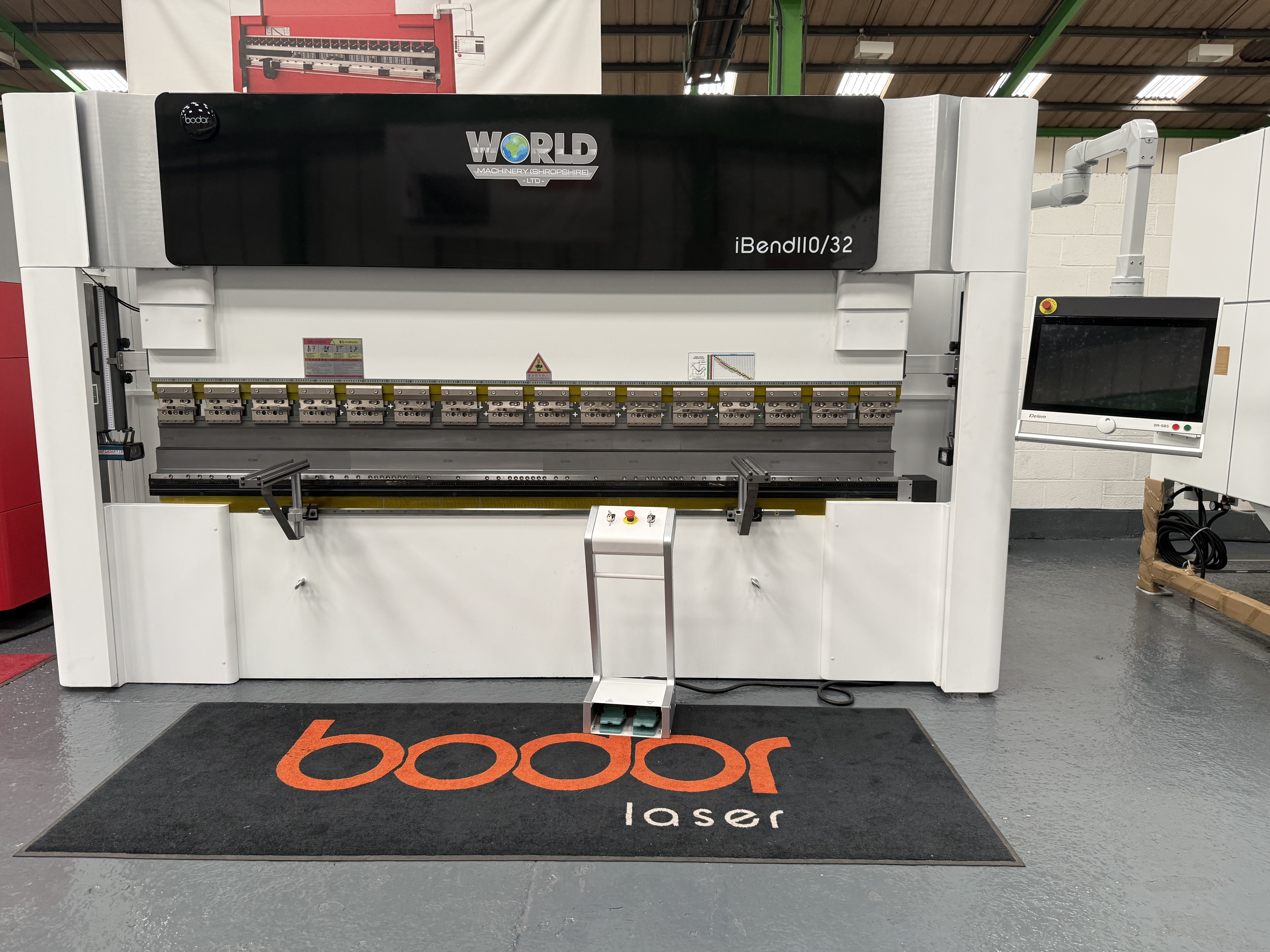
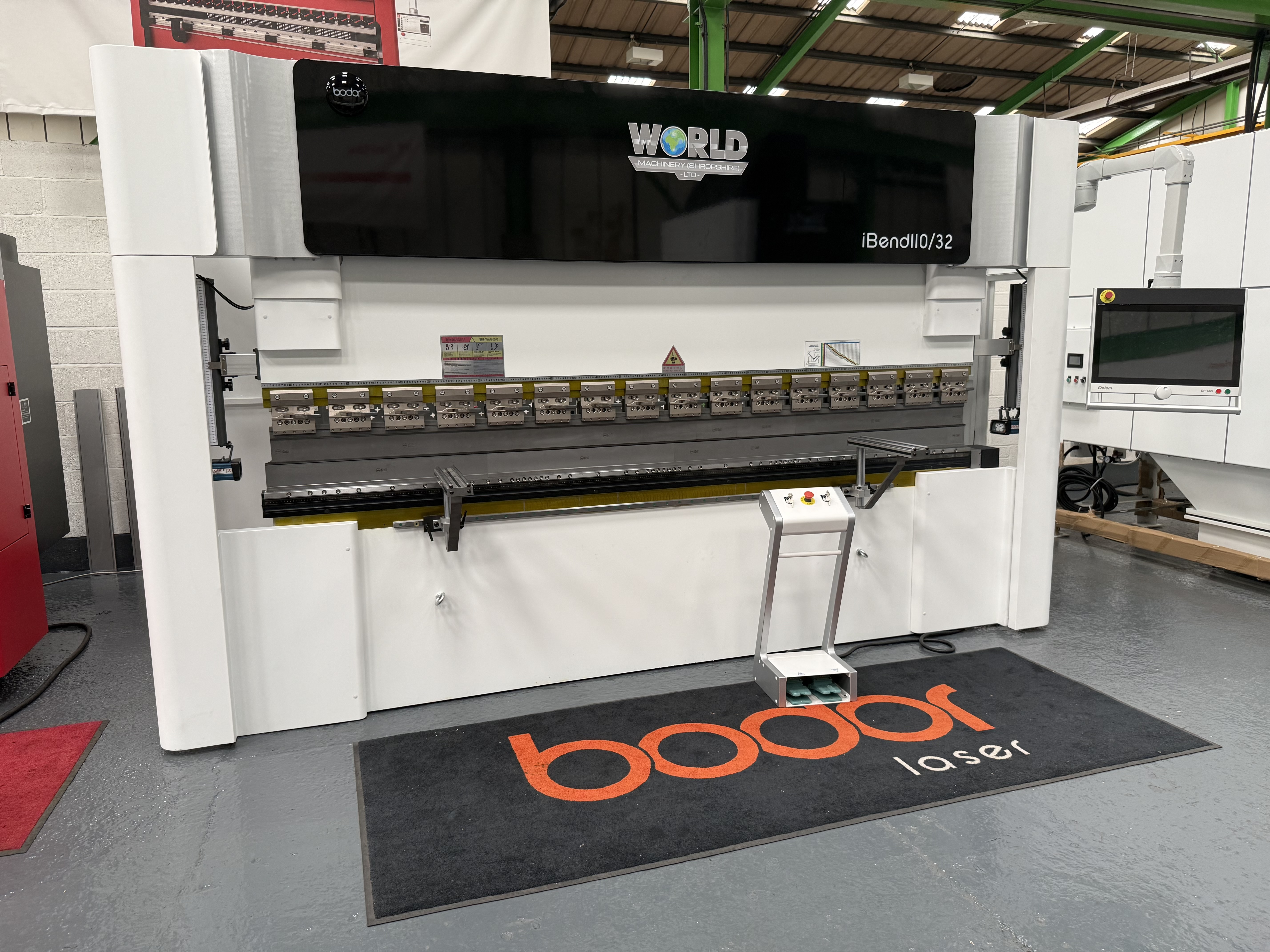
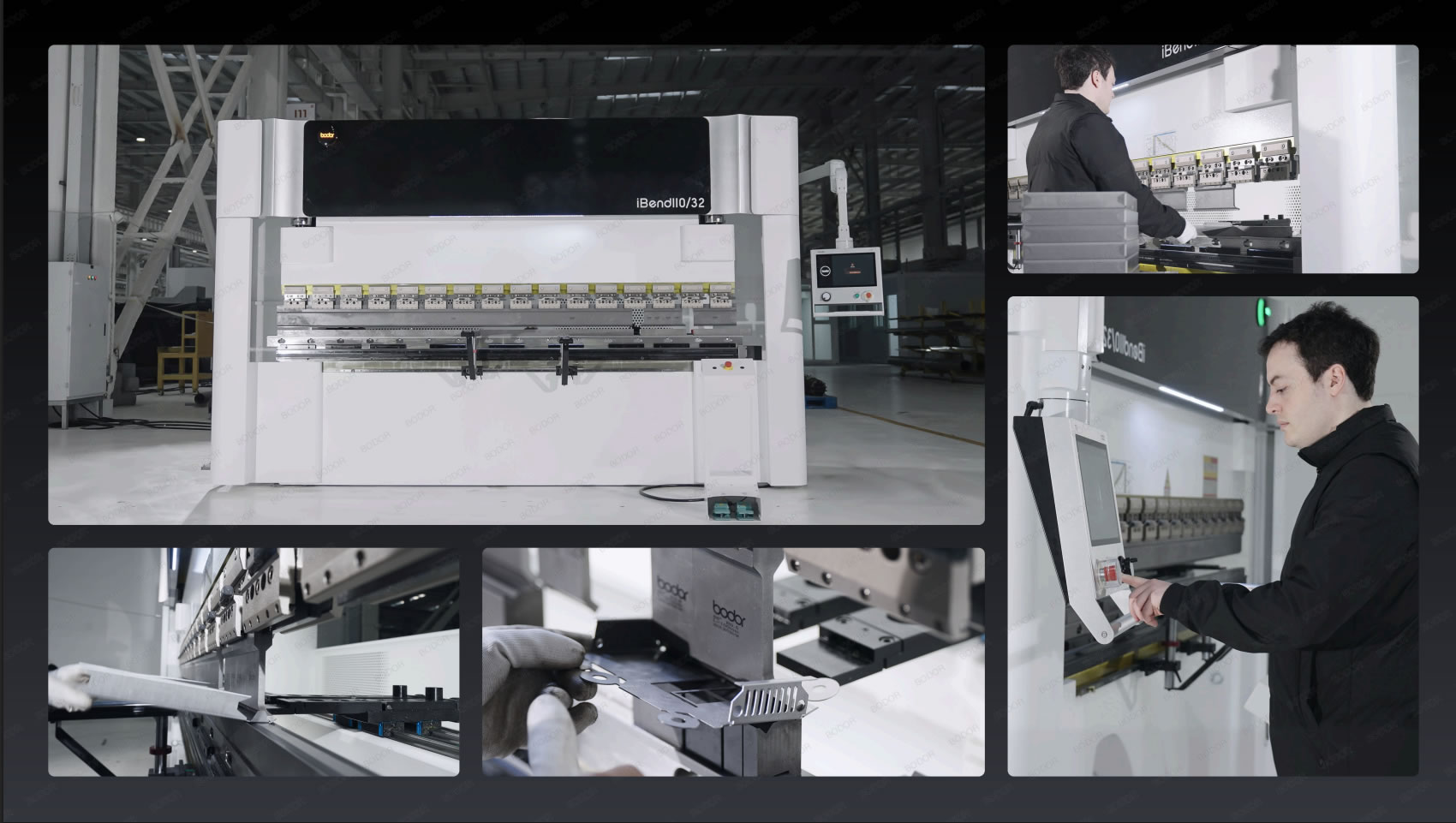
Bodor iBend | Electro-hydraulic servo press brake
A production press brake developed around a high-rigidity frame, forged tooling, stable backgauge design, automatic deflection compensation and configurable control and safety options. World Machinery supports UK manufacturers with specification, demonstrations, installation, training and long-term service.
Tonnage, bending length, daylight, stroke, axes, controller, tooling, support equipment and safety package depend on the selected machine and application. Confirm every detail in a current written World Machinery quotation.
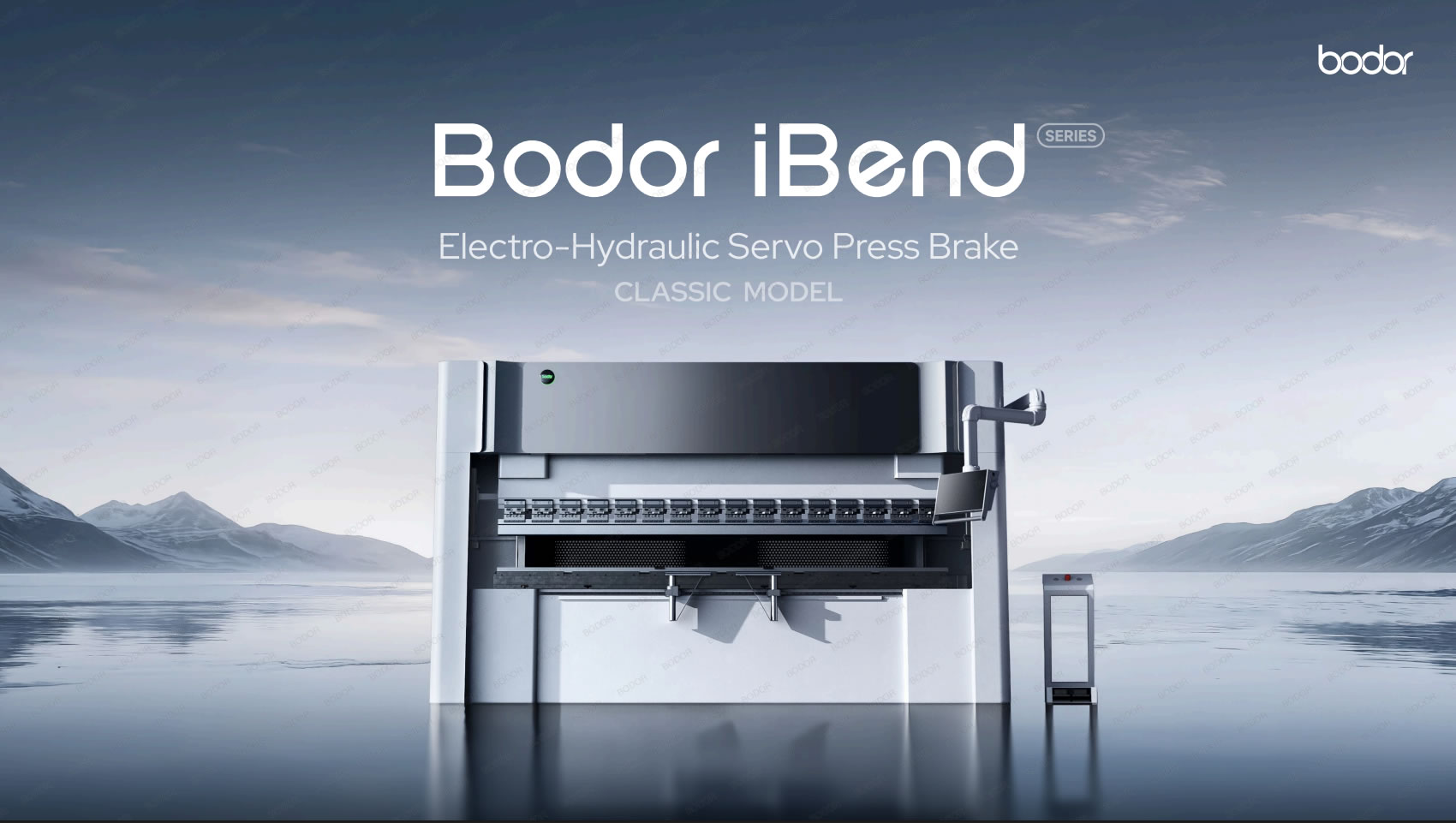
A complete bending platform
Bodor positions iBend around internationally benchmarked structural components, compatible control systems, stable bending performance and multiple protection systems. The correct machine should be selected from the parts, materials, bend sequence, batch size and factory workflow rather than tonnage alone.
Frame, tooling and structural components are designed around stiffness, load capacity and long-term production stability.
The product is presented as compatible with several industry-leading control-system routes, subject to current configuration.
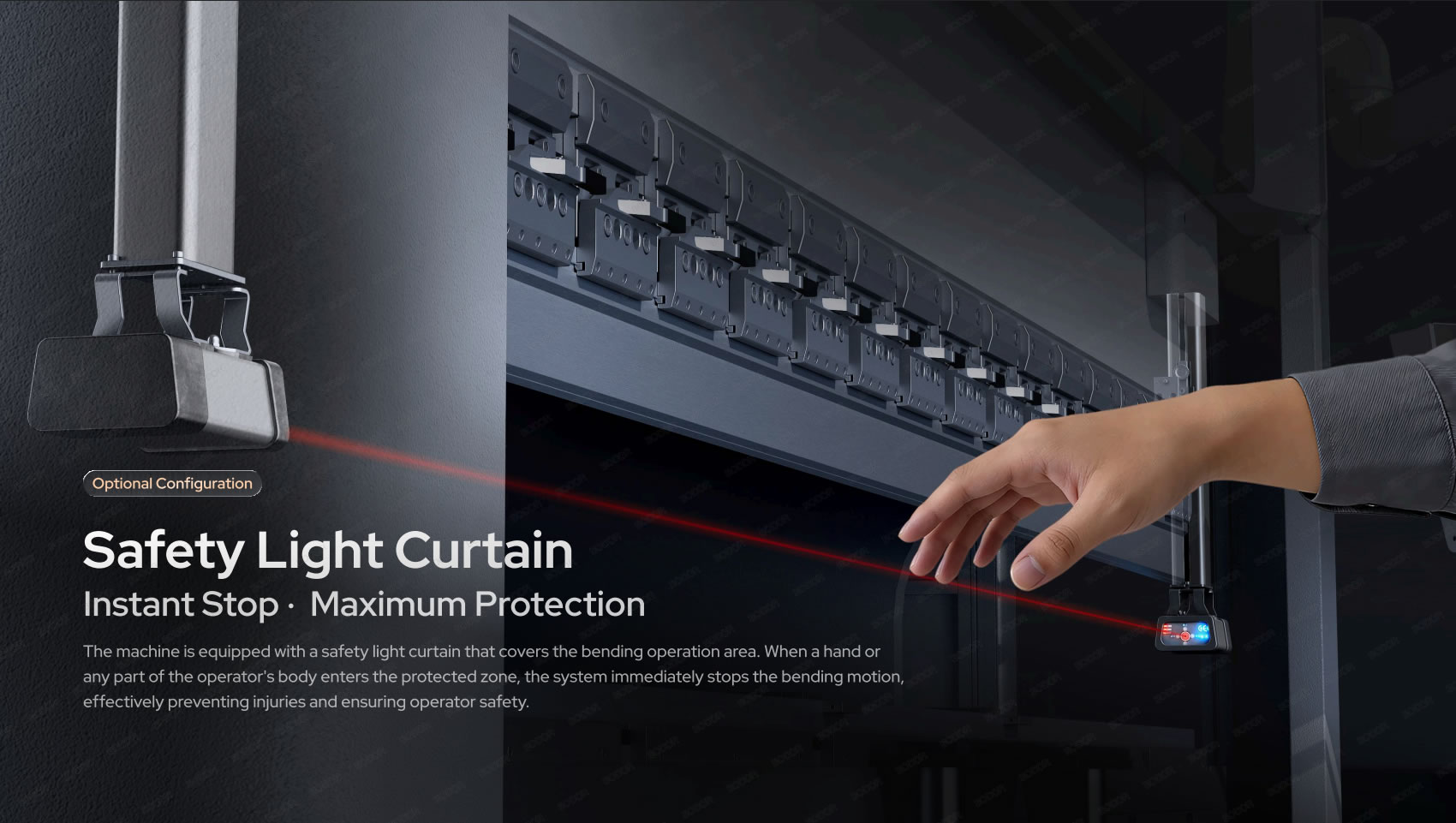
Safety light curtains, phase-sequence protection and application-specific safeguards form part of the overall cell planning.
World Machinery can coordinate delivery, installation, operator training, maintenance and future production support in the UK.
High-rigidity machine structure
Bodor describes a high-rigidity carbon-steel frame with strong load-bearing and impact resistance. A mortise-and-tenon structure reinforces the machine body and is intended to help maintain bending accuracy and consistency under production load.
The frame is intended to resist deformation under repeated bending load and maintain alignment across the machine.
The structural concept reinforces the bed and frame as a complete assembly rather than relying on individual plate thickness alone.
Material grade, bend length, V-opening, flange geometry and tooling determine the real tonnage requirement.
Tooling, backgauge and bend consistency
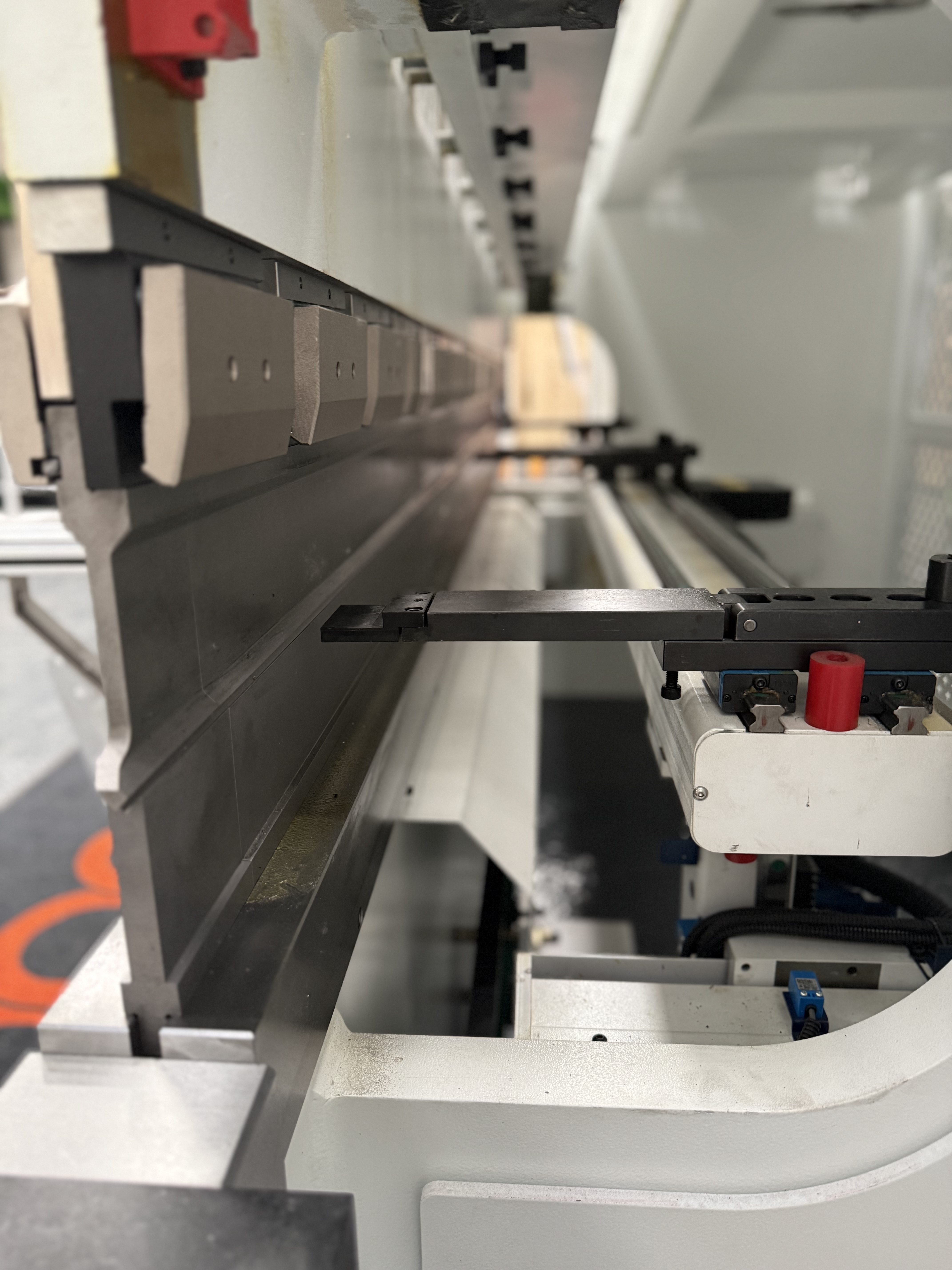
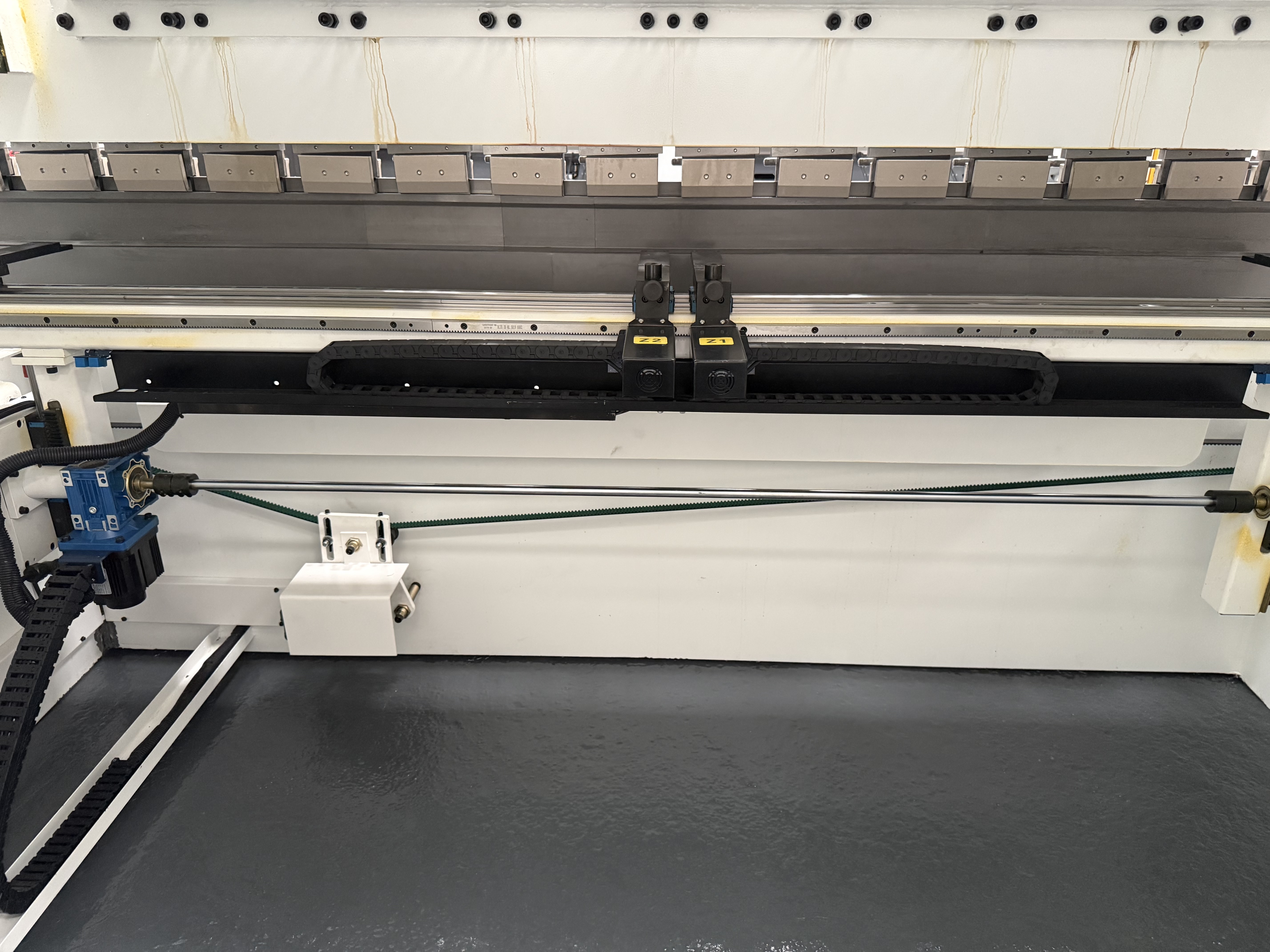
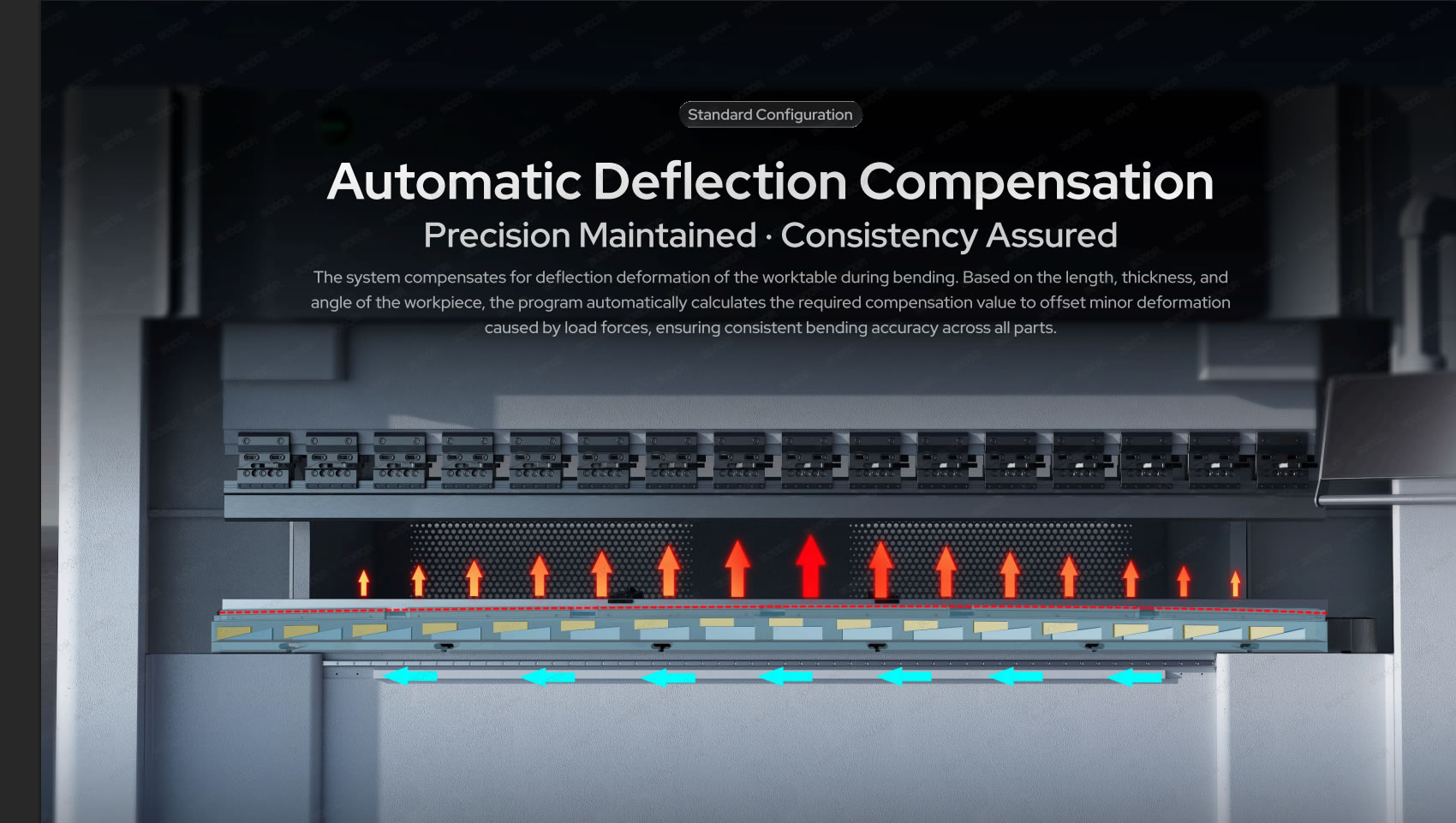
iBend combines forged steel tooling, a dual-linear-guide backgauge and automatic deflection compensation. Together these systems are intended to improve positioning, bend-angle consistency and repeatability across both single parts and batch production.
Bodor publishes high-strength tooling with a maximum hardness reference of HRC53±2 and 2–4mm edge-depth information.
Two linear guide rails distribute force more evenly and support stable, repeatable workpiece positioning.
The controller calculates compensation from part length, thickness and bend angle to offset worktable deflection.
Optional assistance and safety equipment
Optional equipment should be selected from the part size, material, target accuracy, operator method and batch requirement. World Machinery can confirm which functions are available for the current iBend model and controller package.
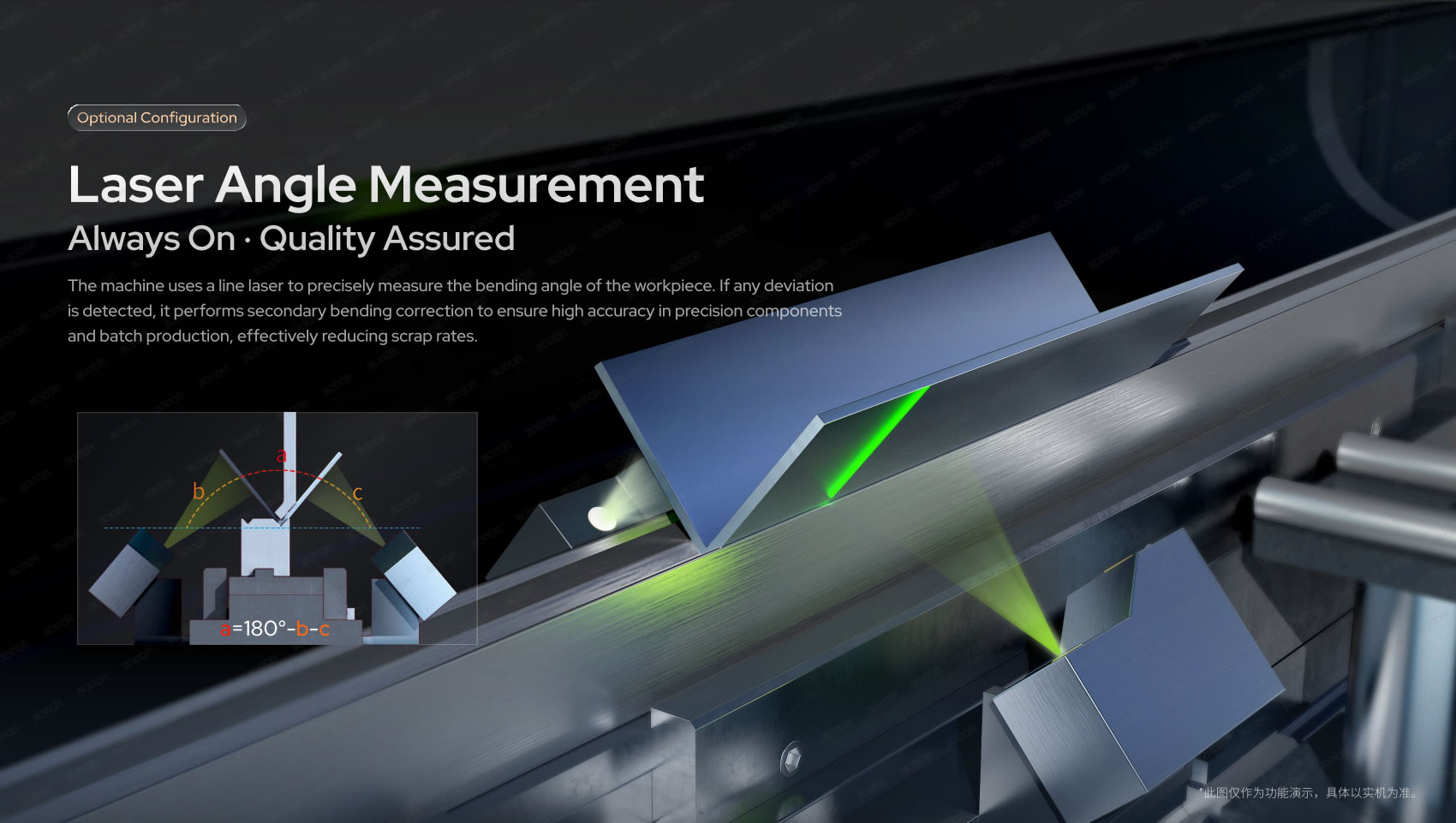
Laser-line measurement is intended to check bend angle and support secondary correction where greater consistency is required.
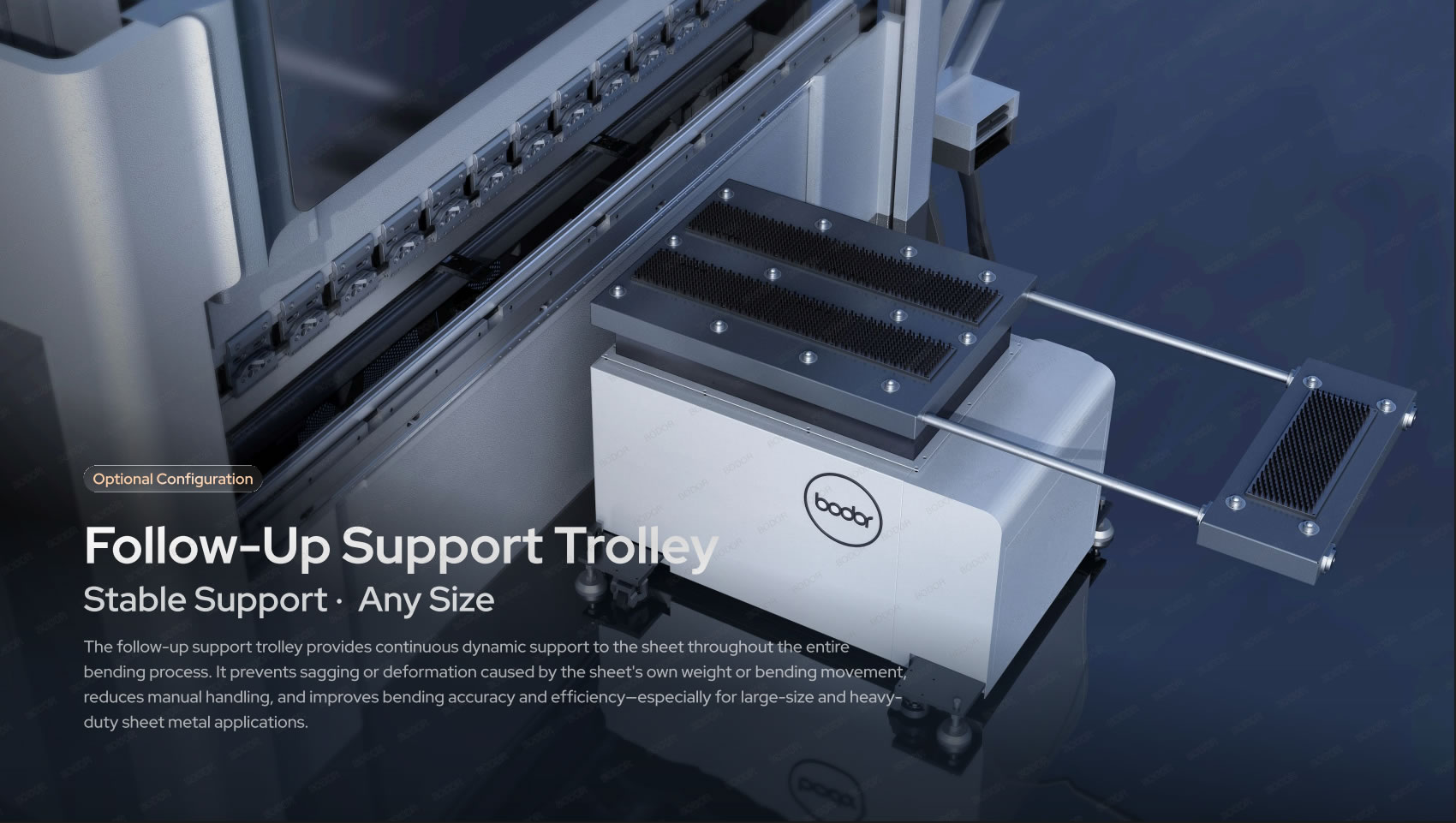
Dynamic sheet support helps reduce sag and operator effort when processing large or heavy workpieces.
The safety light curtain is designed to stop the bending action when a person enters the protected working area.
A repeatable CNC bending cycle
The exact operator workflow depends on the selected control system, tooling, axes and optional measuring equipment. The goal is a stable route from bend planning to repeatable finished parts with fewer manual corrections.
Enter or import the part geometry, material, thickness, tooling and required bend sequence using the selected CNC control.
The backgauge moves to the programmed location and supports accurate flange positioning for each bend.
The electro-hydraulic servo system drives the ram through the programmed stroke and pressure sequence.
Automatic crowning and optional angle measurement help maintain consistency across the bend length and batch.
Specification planning
The current World Machinery page and Bodor product information do not publish one universal iBend configuration. Use the planning points below as a checklist, then obtain a current written specification for the exact UK machine.
All machine dimensions, forces, speeds, axes, tooling and optional equipment are configuration-dependent. The current World Machinery quotation takes priority over archived web content.
Existing World Machinery imagery
The plugin scans the existing WordPress content, Elementor data, featured image and original backup. Any genuine iBend image not already used above remains available in this editable gallery.
Application-led press-brake planning
A useful proposal begins with representative drawings, bend sequences and production requirements. World Machinery can review tonnage, tooling, gauge axes, control system, safety, sheet support, access and utilities before a final machine is selected.
List grades, minimum and maximum thickness, coatings and any high-strength or difficult-to-form materials.
Share the longest bend, flange dimensions, box depth, number of bends, return bends and collision-sensitive geometry.
Define angular tolerance, straightness, repeatability, inspection method, batch sizes and changeover frequency.
Confirm tooling standards, support needs, crane or forklift access, floor space, power, lighting and operator zones.
World Machinery UK support
World Machinery can support the iBend project from the first part review through machine selection, delivery, installation, commissioning, operator training, planned maintenance and future production support. Finance options can also be discussed for qualifying businesses.
Review materials, drawings, tonnage, bend length, tooling and control requirements before committing to the machine.
Use representative parts to assess programme setup, backgauge positioning, tooling and finished bend quality.
Coordinate delivery, positioning, utilities, commissioning and practical operator handover.
Protect uptime with UK support and discuss maintenance, calibration and eligible finance routes.
iBend questions
Final answers depend on the selected tonnage, bending length, axes, controller, tooling, support equipment and safety package. World Machinery can provide a current written configuration.
iBend is Bodor’s electro-hydraulic servo press brake platform for CNC sheet-metal bending. It is designed around a high-rigidity frame, forged tooling, a stable backgauge structure, automatic deflection compensation and configurable control and safety equipment.
The required press force depends on material grade, thickness, bend length, V-opening, bend angle and tooling. The working length should reflect the longest regular part and any tooling or support clearances. World Machinery should calculate both from representative jobs.
The system calculates a crowning value from the workpiece length, thickness and bend angle to offset small deflections in the bed and ram under load. It is intended to improve angle consistency across the full bend length.
Bodor states that iBend is compatible with multiple industry-leading control systems. The controller, software functions, axes and offline-programming route should be confirmed for the current UK machine offered.
Laser angle detection is described as an optional function. It measures the bend angle and can support secondary correction, subject to the selected machine, controller, tooling and application.
An optional following support carriage is described for dynamic support during bending. It can reduce sheet sag and operator effort, but the required support capacity and working method must be matched to the real part size and weight.
Bodor highlights multiple protection systems, including anti-crush safety light curtains and phase-sequence protection. The complete UK guarding and risk assessment must be confirmed for the installed machine and operator method.
World Machinery can support machine specification, demonstrations, delivery, installation, commissioning, operator training and ongoing service. Planned maintenance, calibration and qualifying finance options can also be discussed.
Plan your iBend project
Send representative drawings, material grades, thicknesses, longest bend, batch sizes, tooling preferences and accuracy requirements. The World Machinery team can review a suitable iBend configuration and the next project steps.
Provide the key material, part and production details below and the World Machinery team will contact you about the next step.