
Integrating Automation to Maximise Metal Fabrication Efficiency
Many metal fabricators still rely on manual processes that slow production and increase costs. Automation integration changes that by boosting throughput, improving quality, and driving OEE improvement across the shop floor. In this post, you’ll see how CNC automation with Bodor fiber lasers, press brake automation, and robotic loading can cut cycle times and reduce downtime. Book an automation consultation and Bodor laser demo with our UK team to explore tailored solutions for your operation. Learn more about the impact of automation on metal fabrication here.
Boosting Throughput with Automation
When you upgrade to automation, production speeds up significantly. This transformation helps you stay competitive by meeting higher demand without extra labor costs.
CNC Automation Enhancements
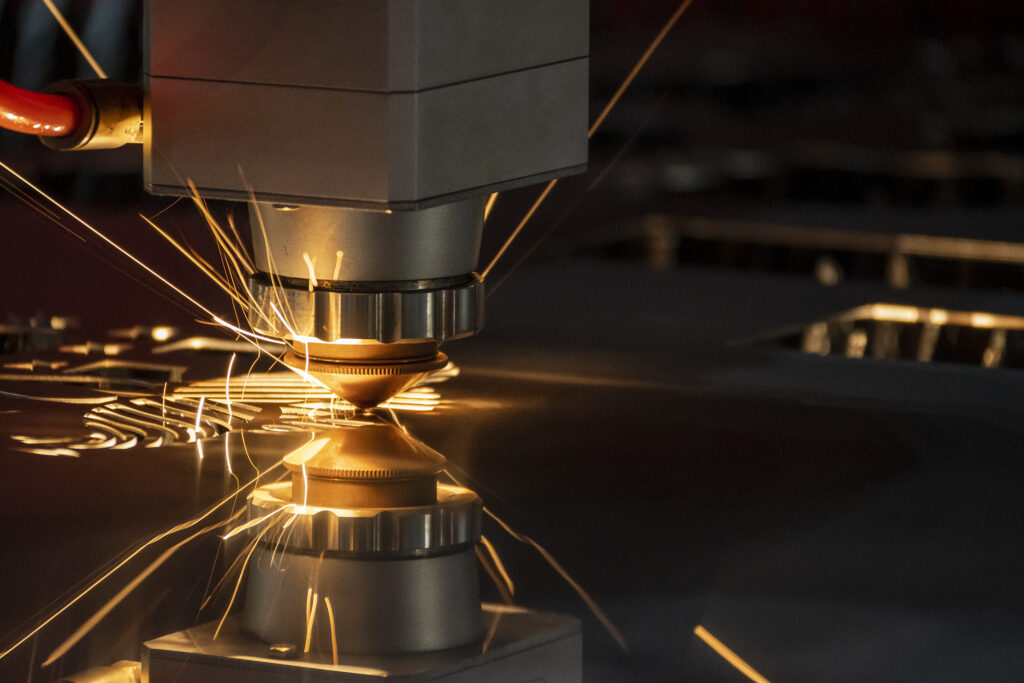
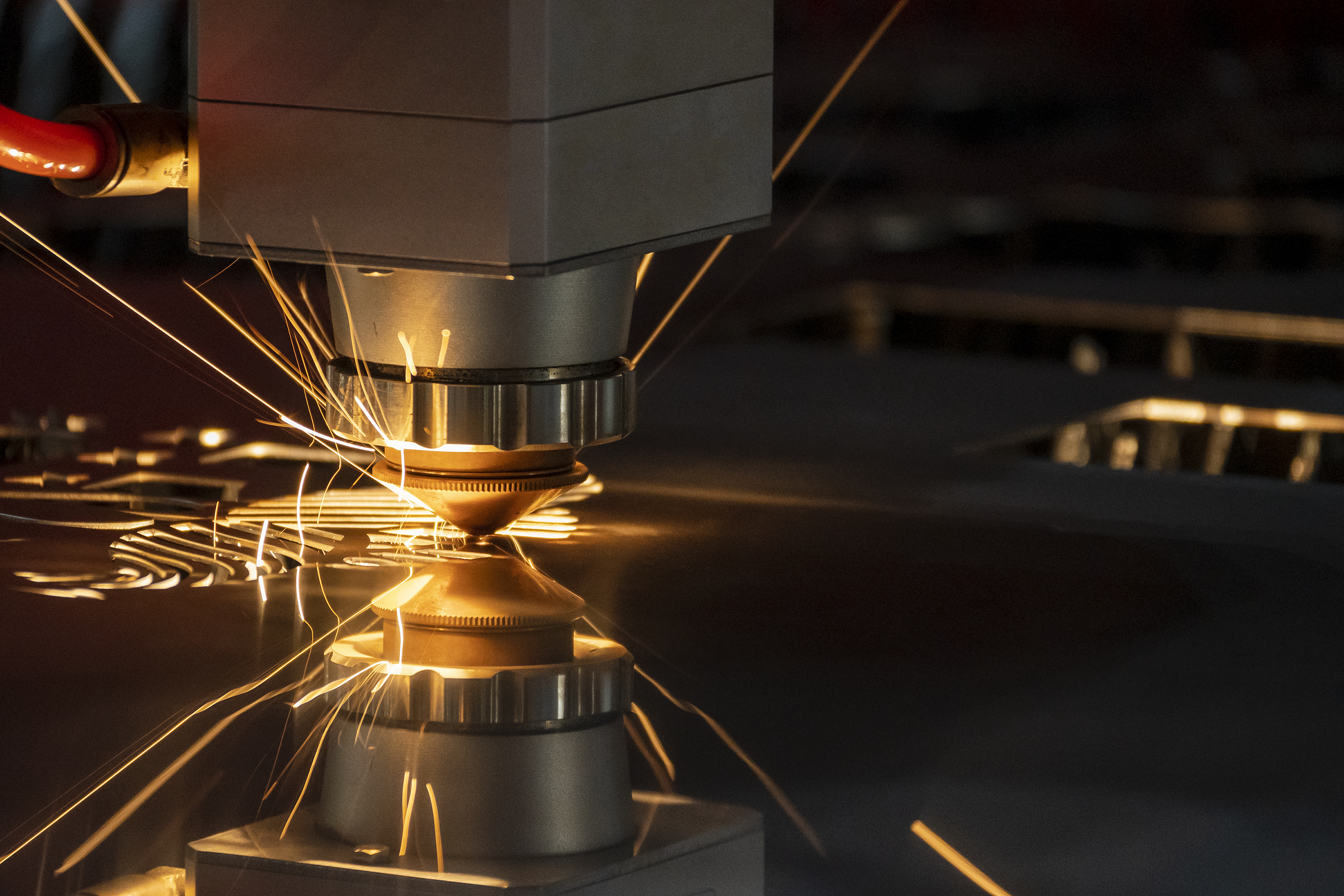
CNC automation is a game changer. It allows precise and fast production, reducing waste and human error. Imagine cutting a sheet of metal with a Bodor fiber laser. This machine uses focused beams to melt metal cleanly and quickly. With up to 60% faster cycle times, your production skyrockets. Plus, these machines are easy to use and program, making complex jobs straightforward. This means less downtime and higher overall equipment effectiveness (OEE).
Our customers often find that integrating CNC automation improves their business. For instance, a manufacturer reduced their cycle time by half after installing our systems. This boost led to more orders and greater profits. You, too, can achieve such results. Discover more about CNC automation’s impact here.
Robotic Loading and Unloading Benefits
Robotic systems take over repetitive tasks, freeing up your skilled workers. This shift leads to fewer errors and faster processing times. Consider a robotic arm loading and unloading your machines. It handles materials with precision and consistency, running lights out if needed. This results in a 24/7 operation, maximizing throughput.
One company saw a 30% increase in production capacity with robotic loading. This change not only met growing demand but also reduced labor costs significantly. By using robots, you eliminate bottlenecks, ensuring that your operation runs smoothly. This investment quickly pays for itself in efficiency gains. Learn more about this revolution in metalworking here.
Enhancing Quality in Metal Fabrication
Automation doesn’t just speed things up; it enhances quality too. Improved precision means better products and happier customers.
Press Brake Automation Techniques
Press brakes bend metal sheets with high precision. With automation, your press brakes can achieve consistent results every time. Electric press brakes, in particular, offer energy-efficient bending with reduced noise. Automated systems ensure each piece is identical, reducing waste from errors.
For example, a firm upgraded to electric press brakes and saw defect rates drop by 40%. This improvement means fewer returns and higher customer satisfaction. Automated press brakes also adapt to different tasks quickly, making your operation versatile. Explore the benefits of press brake automation here.
Deburring Automation for Precision
Deburring machines remove sharp edges and imperfections from metal parts. Automation here guarantees a smooth finish, enhancing both safety and quality. Automatic deburring ensures parts are ready for assembly immediately, speeding up production.
Let’s look at a real-world example. A company automated their deburring process and cut processing time by 50%. This efficiency means faster production lines and less manual labor. With automated deburring, you also improve safety by minimizing risks from sharp edges. Learn more about automation in metal fabrication here.
Cost Reduction Strategies
Reducing costs while boosting efficiency is the ultimate goal. Automation helps you achieve just that, leading to higher profits.
OEE Improvement Tactics
OEE, or overall equipment effectiveness, measures your production efficiency. Automated systems enhance OEE by minimizing downtime and maximizing output. They run longer, with fewer interruptions, ensuring constant production.
For instance, after implementing automation, a business increased their OEE score by 20%. This improvement represents more efficient use of resources, translating to higher profits. Keeping your factory running smoothly and continuously is key to reducing costs.
Predictive Maintenance and Support
Predictive maintenance ensures your machines work without unexpected breakdowns. Sensors and analytics predict when a machine needs attention, preventing costly repairs. This proactive approach saves you money and keeps your operation running.
Consider a scenario where predictive maintenance prevented a major breakdown. A manufacturer avoided a week of downtime, saving thousands in potential losses. With World Machinery’s UK-based support, you get fast service and minimal disruption. Explore more about predictive maintenance in metalworking here.
In summary, automation integration provides immense benefits for metal fabrication. From boosting throughput to enhancing quality and reducing costs, the advantages are clear. By embracing automation, you position your business for greater success and growth.