
Maximize Efficiency with Electric Press Brakes: A Step-by-Step Guide
Many manufacturers struggle to get the most from electric press brakes. Time and material waste cut into your bottom line. This guide breaks down how to boost manufacturing efficiency with precision bending and CNC controls. Follow these steps to improve output and reduce errors. Contact us for expert advice on electric press brakes. For more information, check out this link.
Understanding Electric Press Brakes
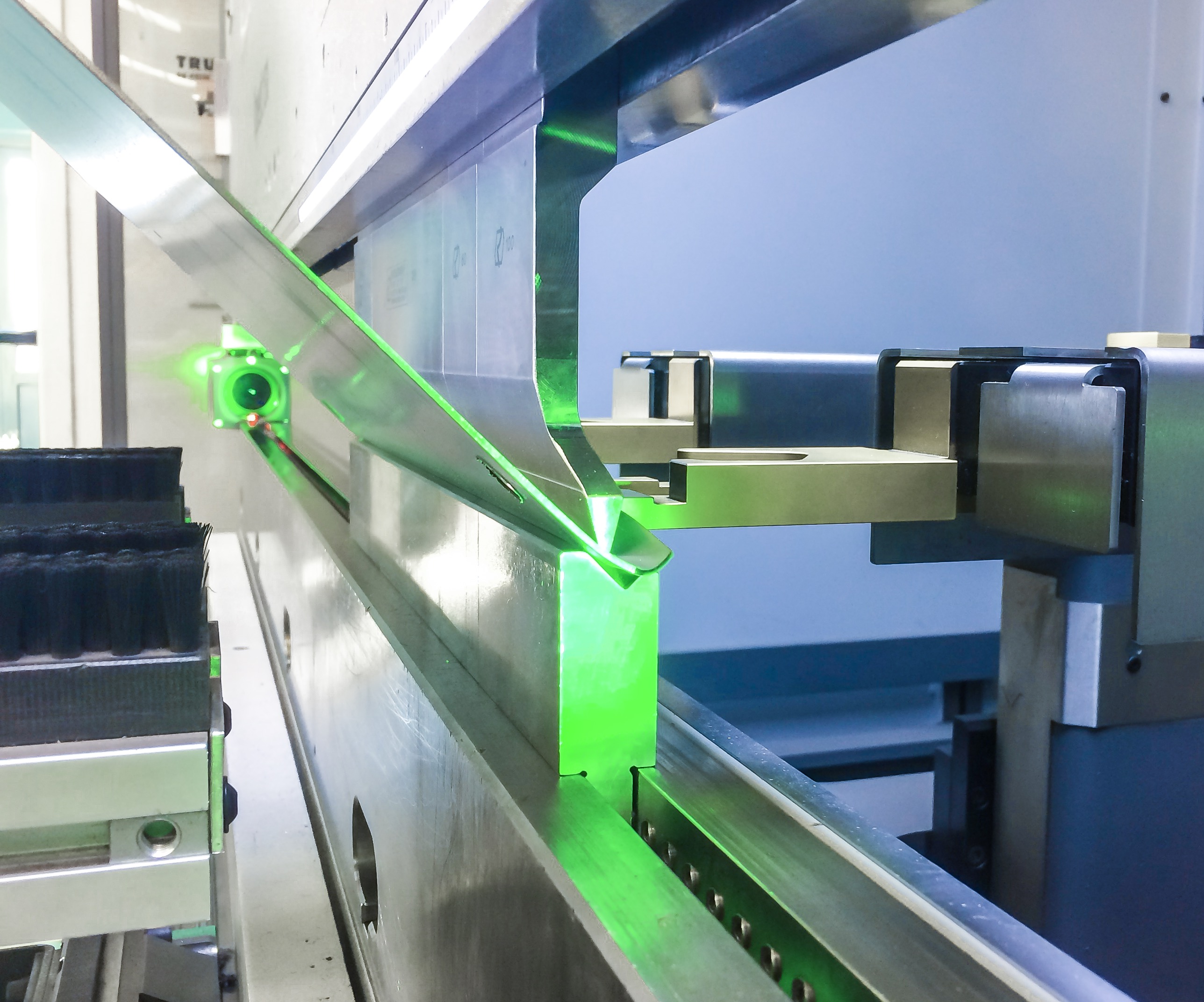
Electric press brakes are transforming how manufacturers approach metalworking. Their advanced features offer significant advantages over traditional methods, paving the way for increased productivity and cost savings.
Key Features and Benefits
Electric press brakes are known for their precision and speed. Precision bending ensures consistent results, reducing waste and rework. These machines operate with reduced noise, which creates a better work environment. Moreover, their energy efficiency means they use less power than hydraulic models, leading to cost savings. With digital controls, setup times are minimized, allowing your team to move swiftly between projects. In short, electric press brakes deliver exact bends with faster turnaround times.
Comparing to Traditional Press Brakes
Traditional press brakes rely on hydraulic systems, which can be bulky and less precise. Electric versions, in contrast, offer smoother operation and greater accuracy. They use electric motors that provide consistent force, ensuring even the most complex bends are executed flawlessly. Additionally, electric brakes require less maintenance, reducing downtime and operational costs. This makes them a smart investment for any manufacturer seeking reliability and efficiency.
Energy Efficiency and Cost Savings
One of the standout benefits of electric press brakes is their energy efficiency. They consume up to 50% less energy than hydraulic models. This translates into significant savings on your energy bills, allowing you to allocate resources elsewhere. Over time, these savings can contribute to a considerable reduction in operational costs. Investing in electric press brakes not only enhances productivity but also supports sustainable practices in your operations.
Enhancing Manufacturing Efficiency
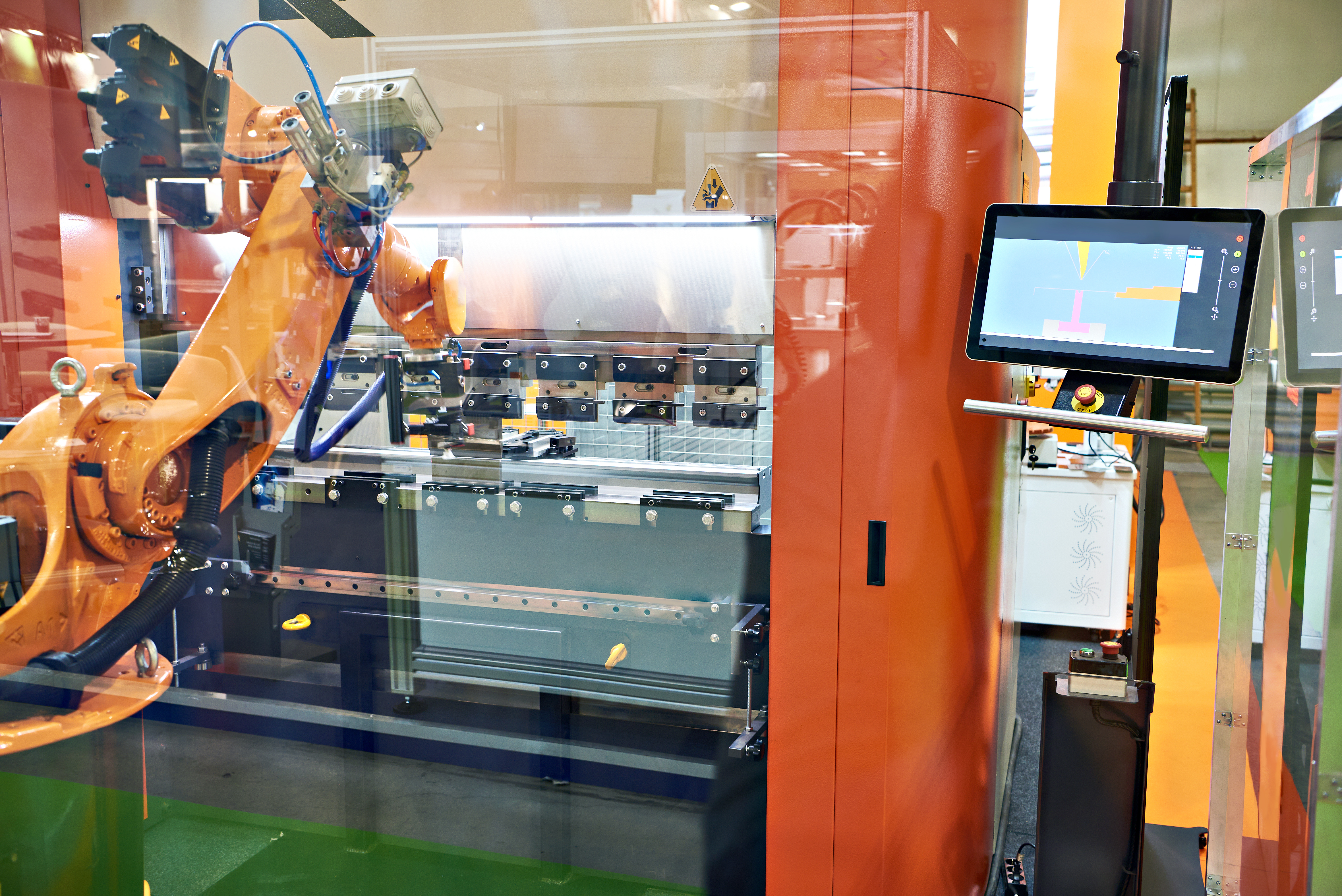
To fully benefit from electric press brakes, it’s crucial to understand how they can enhance your manufacturing processes. These machines are designed to integrate seamlessly with modern manufacturing setups.
Precision Bending Techniques
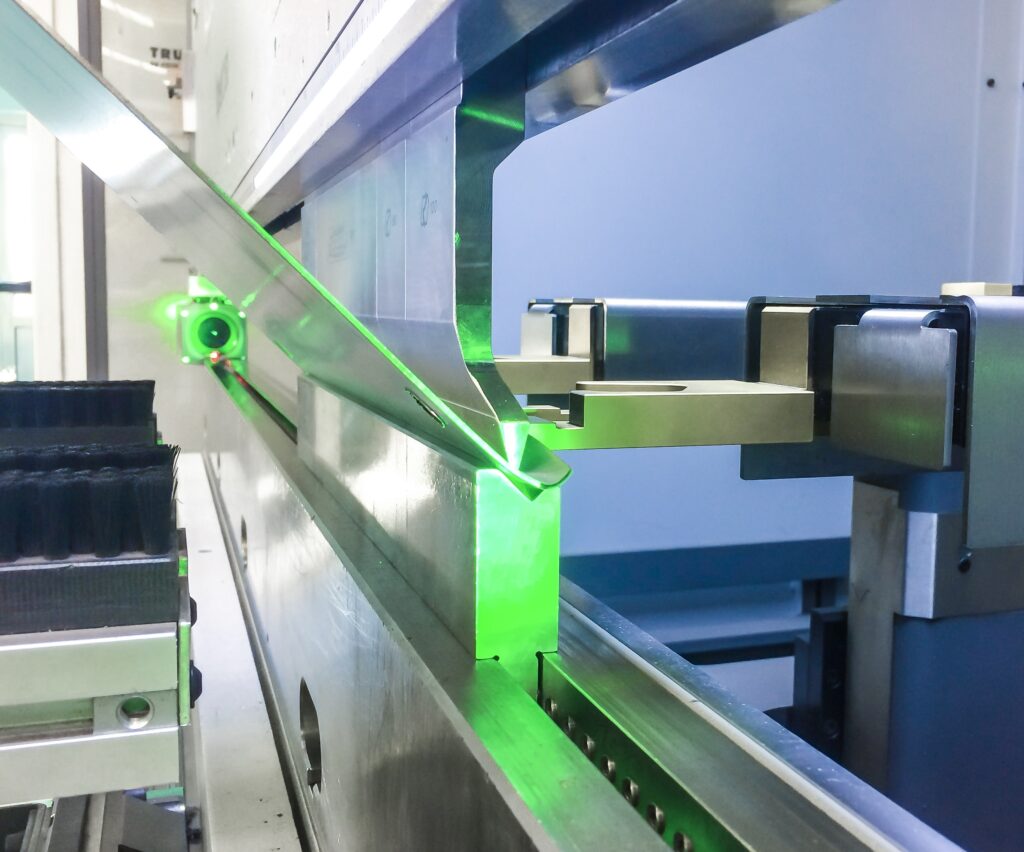
Mastering precision bending techniques is key to maximizing the potential of your electric press brake. By utilizing advanced programming, you can achieve consistent, high-quality bends every time. Techniques such as angle measurement systems ensure that each bend meets exact specifications. This reduces the need for adjustments and rework, saving time and materials. Additionally, precision bending allows for the production of complex parts, expanding your capabilities and market reach.
Integrating with CNC Machines
Integrating your electric press brake with CNC machines can further streamline your operations. CNC integration allows for automated control, reducing the likelihood of human error. This ensures that each piece meets exact specifications, enhancing product quality. With CNC, you can quickly switch between different projects, maximizing machine uptime and productivity. For a comprehensive guide on integration, visit this resource.
Streamlining Metalworking Processes
Streamlining your metalworking processes means optimizing every step for efficiency. Electric press brakes play a pivotal role in this by reducing setup times and ensuring precise bends. Implementing standardized procedures across your operations can minimize variability and boost output. The longer you wait to adopt these practices, the more you risk falling behind competitors who embrace such efficiencies.
Step-by-Step Guide to Usage
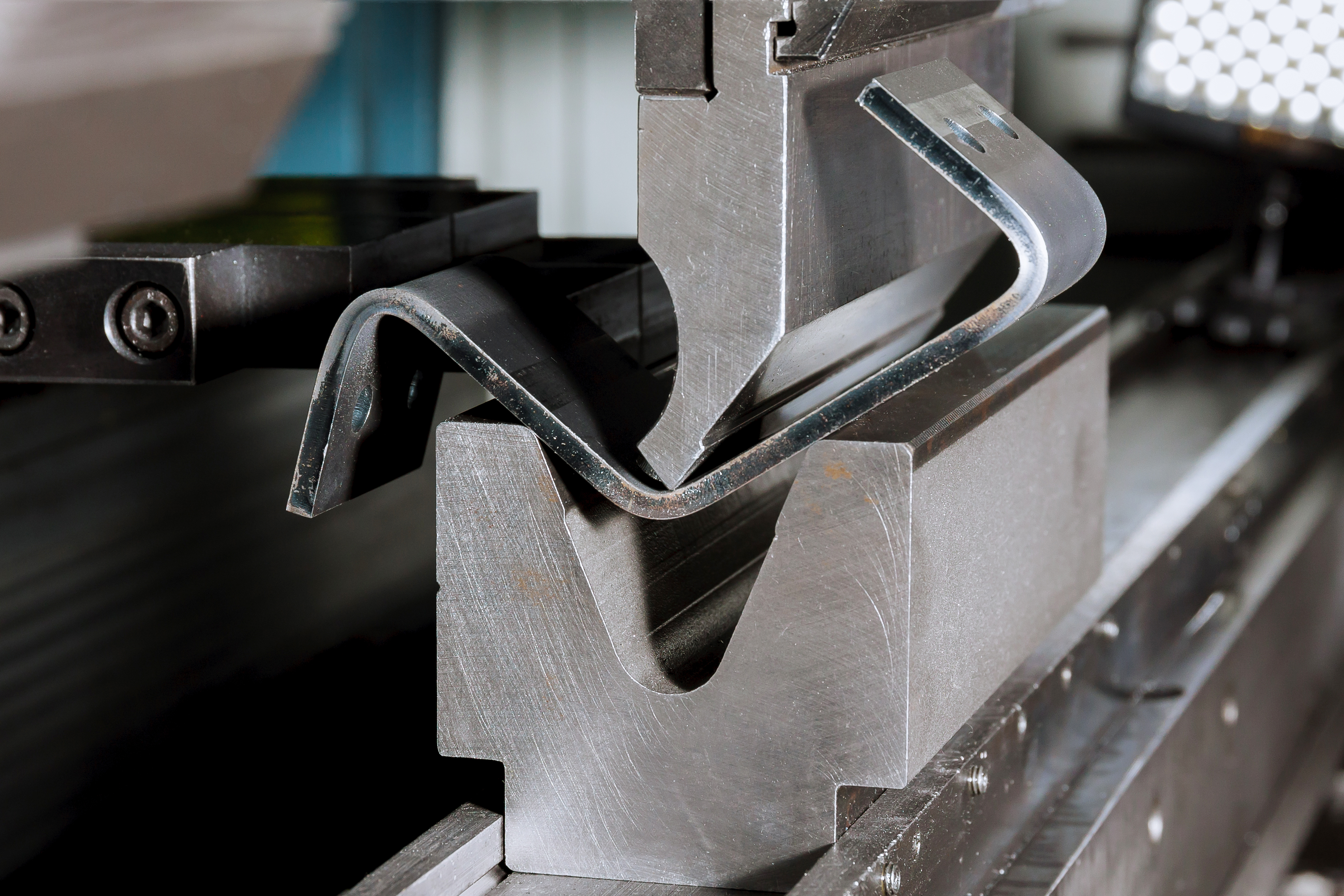
Understanding how to effectively use electric press brakes is essential for maximizing their potential. This step-by-step guide will help you get started and maintain optimal performance.
Initial Setup and Calibration
Setting up your electric press brake correctly is crucial. Begin by ensuring the machine is level and securely positioned. Next, calibrate the digital controls to match your specific requirements. This involves setting the correct pressure and angle settings. Proper calibration ensures accuracy and extends the life of your machine.
Routine Maintenance Tips
Routine maintenance is vital to keep your machine running smoothly. Regularly check for wear and tear, particularly on moving parts. Lubrication is essential, so ensure all necessary components are well-oiled. Cleaning the machine after each use prevents buildup that can affect performance. Adopting a maintenance routine can significantly reduce downtime and repair costs. For detailed maintenance guidelines, explore this link.
Troubleshooting Common Issues
Despite their advanced technology, electric press brakes may encounter issues. Common problems include incorrect bending angles or machine errors. When faced with these, first check the calibration settings. If issues persist, consult the machine’s manual for troubleshooting tips. Having a clear troubleshooting protocol can minimize downtime and maintain production flow.
By fully understanding and utilizing your electric press brake, you can significantly enhance your manufacturing efficiency. Stay ahead of the curve by implementing these strategies and reap the benefits of modern metalworking technology.