
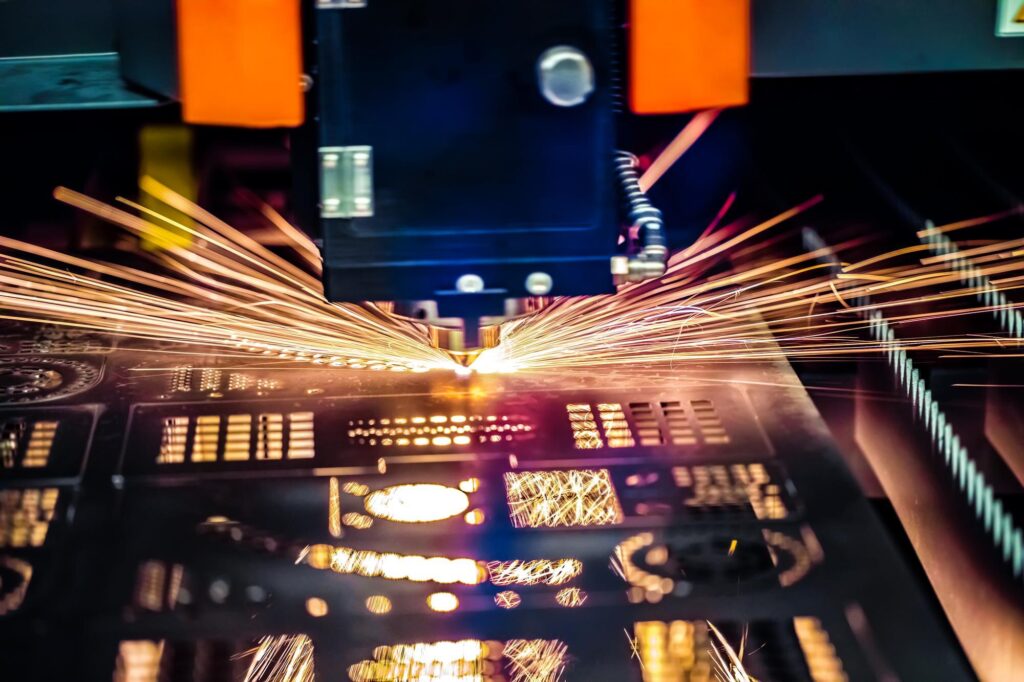
Optimizing CNC Machinery for Energy Efficiency
Most manufacturers waste up to 30% more energy than necessary using CNC machinery. That extra cost hits your bottom line and adds avoidable strain on your equipment. This guide shows precise steps to reduce energy consumption through smart machinery optimization—helping you cut industrial energy costs without sacrificing performance. Contact us for a free consultation on optimizing your CNC operations. For more tips on reducing energy consumption, check out this guide.
Enhancing CNC Machinery Performance
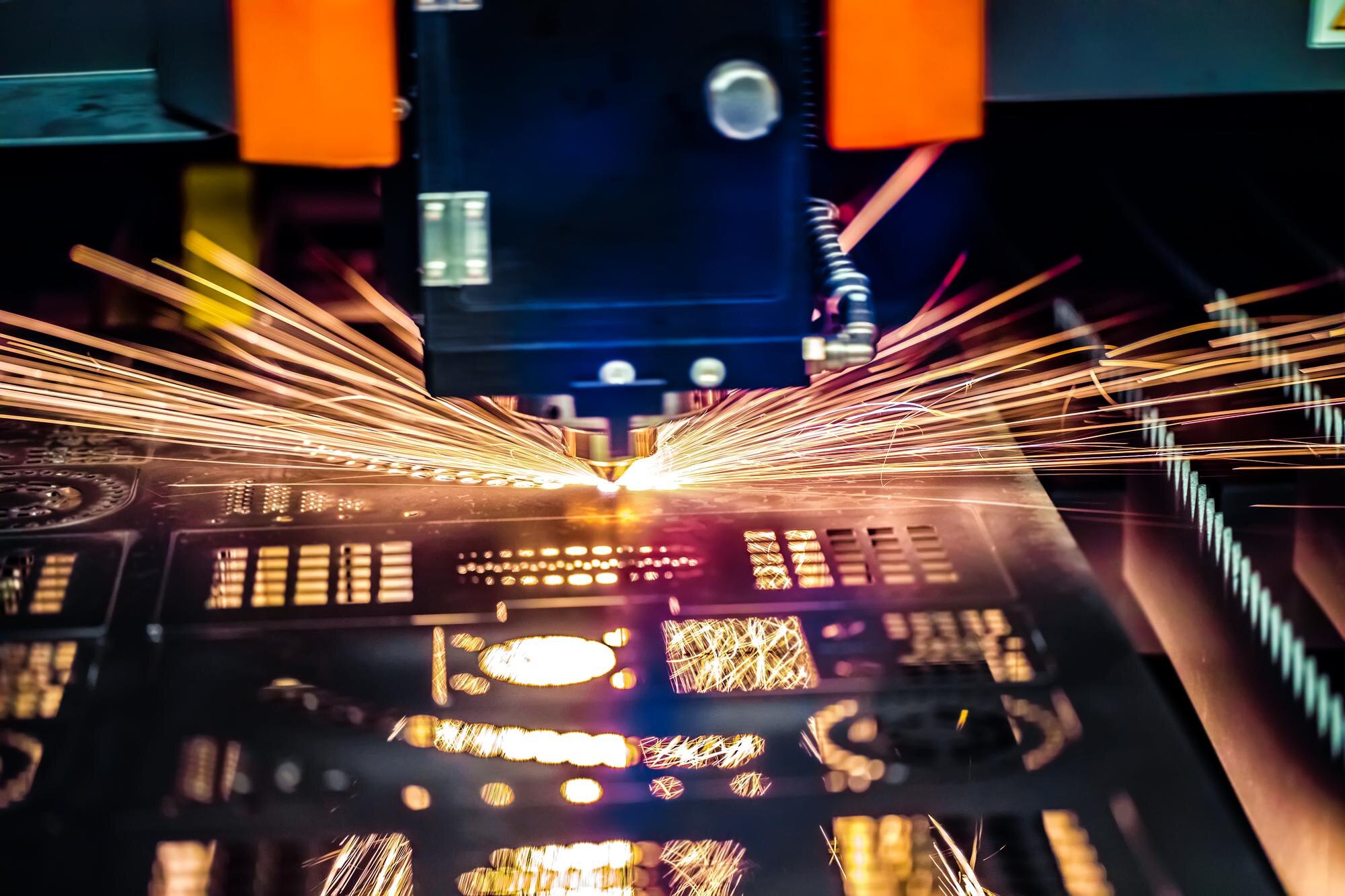
Navigating the world of CNC machinery can be challenging, especially when energy use impacts your bottom line. Let’s uncover key insights to boost performance while minimizing waste.
Understanding Energy Consumption Patterns
Every CNC machine has a unique energy footprint. Knowing where energy goes helps you control costs. Most energy is consumed in idle modes and during maintenance-heavy operations. A staggering 30% of energy can be wasted without you even noticing.
Picture a machine idling for hours — it draws power but does nothing productive. Identifying these patterns is your first step toward change. You can track energy use with monitoring software, capturing data for analysis. This data forms the basis for action, letting you make informed decisions about what needs improvement.
A deep dive into machine usage reveals surprising inefficiencies. For instance, standard practices might not be as effective as once thought. Regularly review these habits. Adjust settings and schedules to reflect real production needs, not outdated assumptions.
Implementing Smart Technology Solutions
Technology can be your ally in reducing energy consumption. Equip machines with smart systems — automation controls and energy-efficient settings are key. Implementing these solutions can reduce idle time and streamline operations.
Consider a scenario where automated systems manage machine start-up and shut-down processes. This approach prevents unnecessary power draw. Advanced software solutions can also predict and adjust for peak energy usage times.
Investing in sensor technology provides real-time feedback. Sensors detect when machines aren’t running optimally and alert you before issues escalate. This proactive approach minimizes downtime and energy waste, ensuring your machinery operates at peak efficiency.
Practical Steps for Industrial Energy Savings
Once you understand and implement tech solutions, it’s time for practical steps. These hands-on strategies ensure lasting energy savings in your facility.
Regular Maintenance and Inspection
Routine checks keep machines running smoothly, preventing energy spikes caused by mechanical issues. Maintenance is not just about fixing problems; it’s about anticipating them. A well-maintained CNC machine can save you up to 20% in energy costs.
Create a maintenance schedule and stick to it. Regularly inspect vital components like motors and drive systems. Address wear and tear promptly to avoid energy-draining malfunctions.
Focus on cleaning and lubrication. Build-up can cause machines to work harder, consuming more power. A clean, well-lubricated machine operates with less resistance, saving energy and extending lifespan.
Upgrading to Energy-efficient Components
Older components might cost you more in the long run. Upgrading to energy-efficient parts can lead to significant savings. Look for motors and drives engineered for lower energy consumption. These upgrades reduce power use without compromising performance.
LED lighting and efficient power supplies make a difference too. Transitioning to these components lowers overall energy draw. Consider replacing outdated parts with newer, more efficient models.
Budget for upgrades over time. Even small changes, like switching to efficient lighting, add up. Each upgrade contributes to a cumulative reduction in your facility’s energy footprint. For more insights, see these energy-saving tips.
Benefits of Machinery Optimization
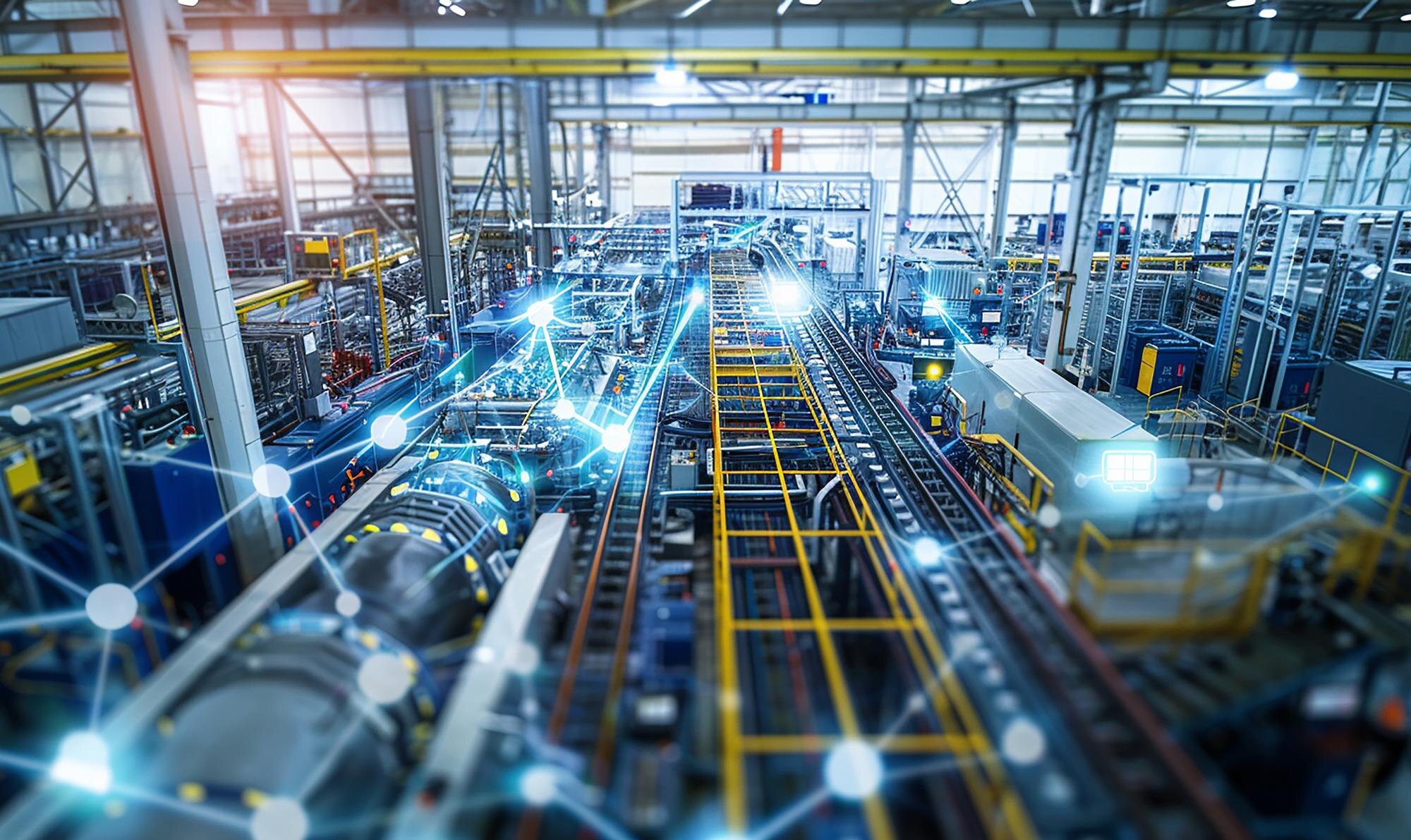
Optimizing machinery doesn’t just cut costs; it brings a host of other benefits. Let’s explore how these changes impact your operations.
Cost Savings and Environmental Impact
Cutting energy waste lowers operational costs. It’s straightforward — less energy used means less money spent. This efficiency translates to savings you can reinvest in your business. For example, a 15% reduction in energy use can result in thousands of dollars saved annually.
Environmental benefits are significant too. Lower energy consumption reduces your carbon footprint, contributing to sustainability goals. This eco-friendly approach improves your brand’s reputation and aligns with global efforts for a greener future.
Improving Machine Lifespan and Reliability
Optimized machines last longer. Efficient operations reduce wear and tear, minimizing downtime and repair costs. A machine that runs smoothly maintains its value and reliability, ensuring consistent production.
Reliable machines boost productivity. With fewer breakdowns, your operations run without interruption, meeting deadlines and maintaining quality. The longer your machines last, the better return on investment you achieve.
In conclusion, optimizing CNC machinery for energy efficiency pays off in multiple ways. By understanding consumption patterns, implementing smart tech, and performing regular maintenance, you ensure cost savings and improved reliability. For more strategies on energy optimization, see this comprehensive guide.