
Many fabrication shops waste time on press brakes that don’t fit their needs. Choosing the right CNC press brake means balancing tonnage, control systems, tooling, and safety features. This guide breaks down what truly matters so you can invest confidently in your next sheet metal bending machine. Speak with our applications engineer for a tailored bend study, demo, and finance options. Contact World Machinery (Shropshire) Ltd today.
Key Factors in Press Brake Selection
Choosing a press brake involves understanding various critical factors to match your fabrication needs. Here, we delve into the most crucial aspects that can impact your decision.
Understanding Press Brake Tonnage
Tonnage is a key aspect when selecting a press brake. It determines the machine’s bending capacity. For instance, a 100-ton press brake can handle thicker materials than a 50-ton model. Your choice should align with the heaviest gauge you’ll work with. Remember, choosing a machine with adequate tonnage ensures efficiency and reduces wear.
Tonnage isn’t just about capacity; it also affects precision and safety. A machine with too little tonnage struggles with thick materials, risking poor bends and accidents. Consider your most demanding tasks and opt for a brake that can handle them comfortably.
Importance of Bending Accuracy
Bending accuracy directly influences the quality of your finished products. Precision in bending means less rework and higher-quality outputs. Look for machines with advanced control systems that provide consistent, repeatable results. These systems ensure every bend matches your specifications, enhancing your product’s reliability.
Accuracy isn’t just a technical requirement; it’s a business need. Inconsistent bends can lead to production delays and increased costs. With precise bending, you maintain a competitive edge, delivering superior products on time.
Evaluating Press Brake Tooling
Press brake tooling plays a crucial role in your machine’s versatility. The right tooling allows for diverse bending operations, expanding your capabilities. When evaluating tooling, consider factors like material compatibility and wear resistance. Quality tooling leads to better bends and longer tool life.
Different jobs require different tools. From punch and die sets to specialized tooling for complex bends, ensure your machine can adapt. Investing in versatile tooling now saves time and cost on future projects.
CNC Press Brake Features to Consider
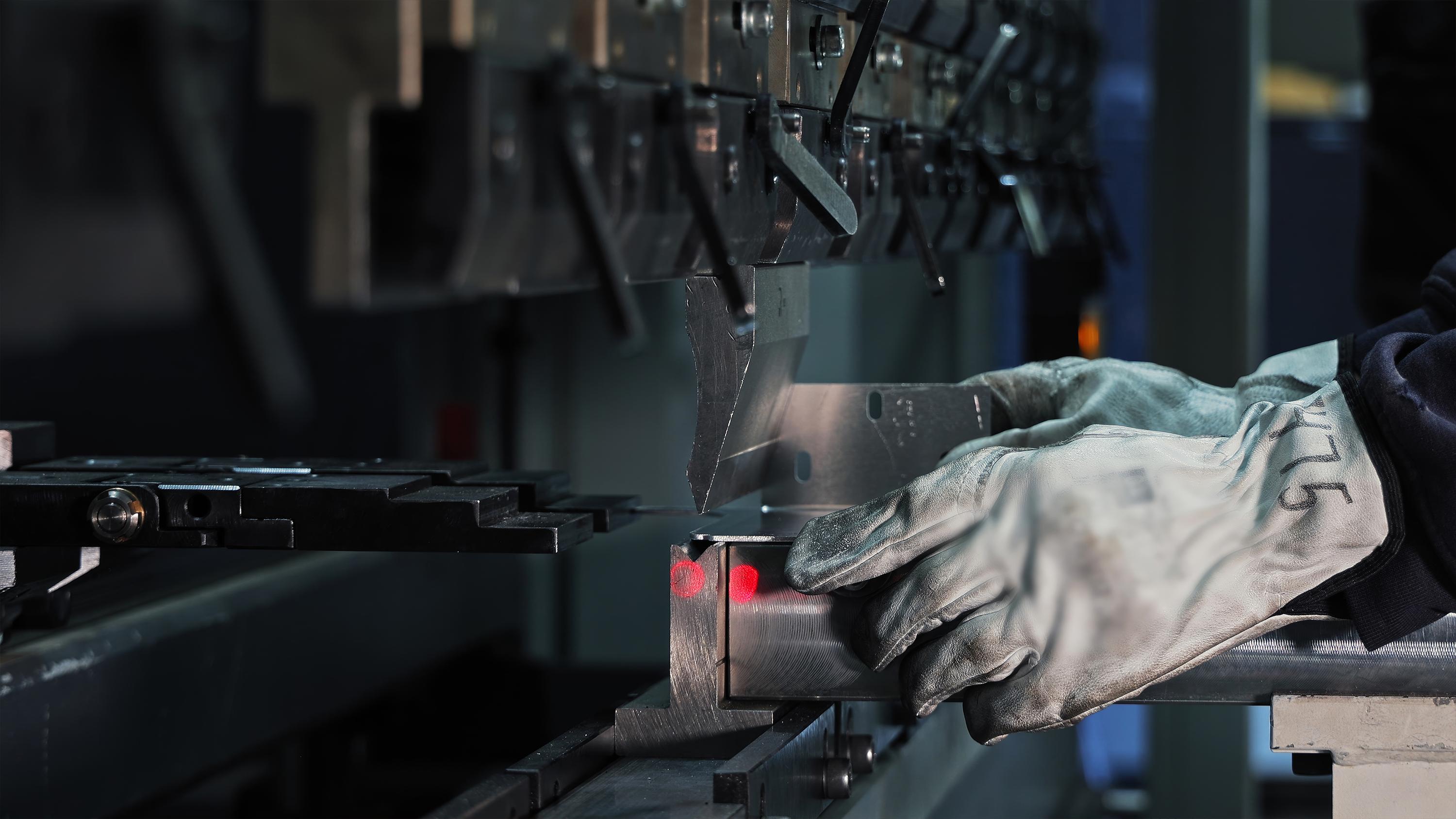
Beyond basic factors, specific CNC features can significantly enhance your press brake’s performance. Let’s explore these features and their benefits to your operations.
Comparing Delem and ESA Controls
Control systems are the brain of your CNC press brake. Delem and ESA are popular choices offering distinct advantages. Delem systems are user-friendly, with intuitive interfaces that simplify programming. They are perfect for operators needing quick setups and changes. ESA controls, known for customizability, allow in-depth parameter adjustments. This flexibility suits complex tasks with specific requirements.
Choosing between Delem and ESA depends on your shop’s needs. For straightforward operations, Delem might be ideal. For advanced, customizable solutions, consider ESA. Both systems enhance productivity; it’s about finding the right fit for your team.
Benefits of Multi-Axis Backgauges
Multi-axis backgauges are game-changers for precision and efficiency. They allow complex bends with high accuracy by adjusting positions automatically. This feature speeds up setups and reduces human error, vital for high-volume operations.
With multi-axis backgauges, you handle more complex jobs easily. They increase production rates and reduce downtime. Investing in this feature ensures your shop stays competitive, handling more diverse projects with ease.
Exploring Crowning Systems
Crowning systems counteract deflections during bending, ensuring uniform angles across the workpiece. This feature is essential for maintaining accuracy in long bends. A well-crowned press brake produces consistent results, reducing waste and rework.
For shops dealing with varied materials and thicknesses, a crowning system is invaluable. It adapts to changes, maintaining quality across projects. Consider it an investment in quality control and customer satisfaction.
Making an Informed Purchase
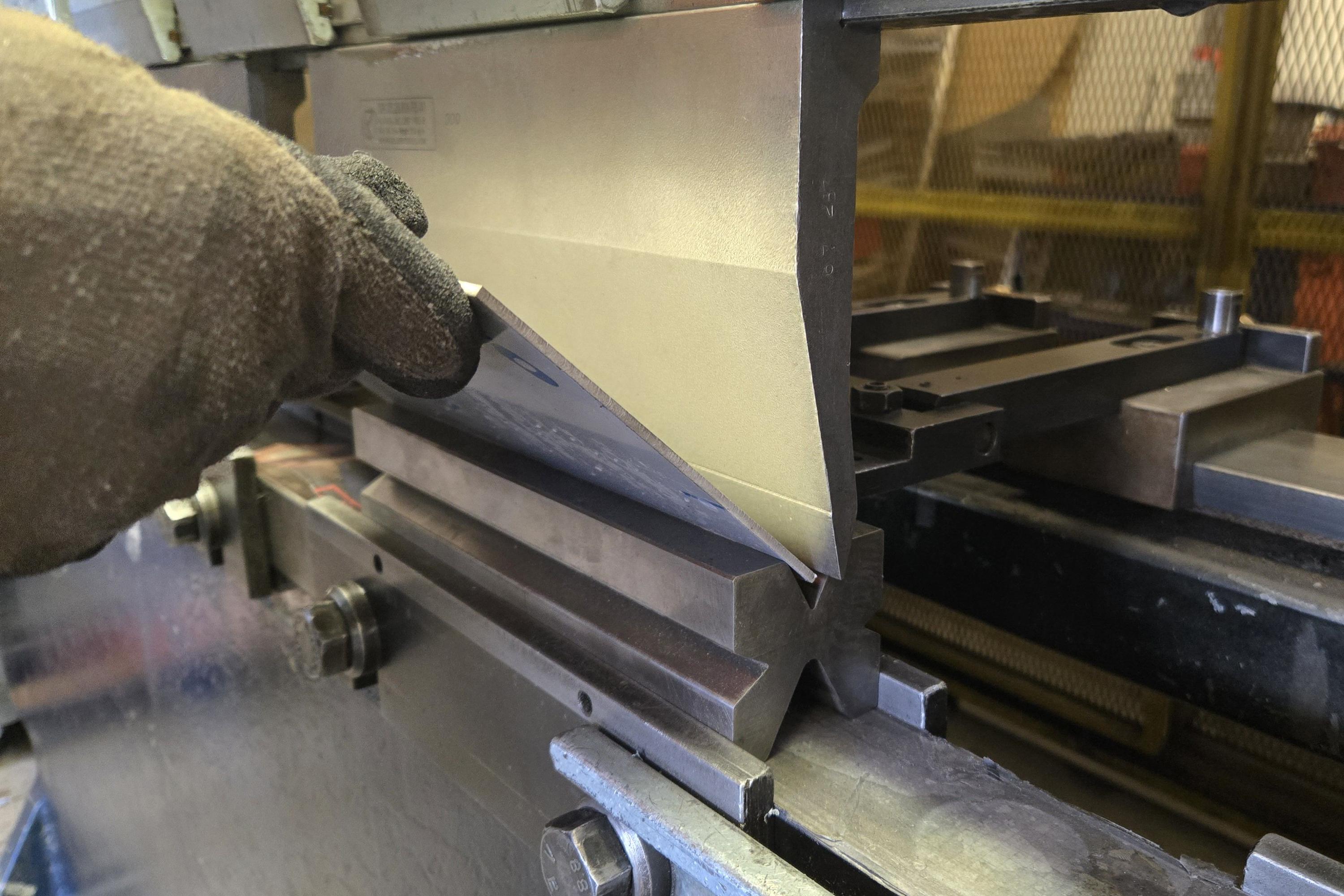
When purchasing a press brake, consider both new and used options, along with long-term support and financial aspects.
New vs. Used Press Brake Options
New press brakes offer the latest technology and warranties, ensuring reliability and efficiency. However, used machines can provide significant cost savings. If maintained well, they deliver performance comparable to new models.
Choosing between new and used depends on budget, immediate needs, and long-term plans. Used press brakes can be a smart choice if you prioritize cost-effectiveness while still seeking reliable performance.
Press Brake Maintenance and After-Sales Support
Maintenance and support determine your press brake’s longevity and performance. A supplier offering comprehensive after-sales service reduces downtime and costs. Consider providers with UK-based support for faster response times.
Regular maintenance is non-negotiable. It prevents unexpected breakdowns and extends your machine’s life. Prioritize suppliers who offer training, ensuring your team can handle routine upkeep confidently.
Press Brake Finance Options in the UK
Finance options make purchasing easier, spreading costs to suit your budget. Flexible agreements allow you to invest in top-tier equipment without financial strain. Look for suppliers offering tailored finance plans to match your financial situation.
Explore finance options early in the buying process. It helps in planning purchases without compromising on quality or features. With the right finance plan, high-performance equipment becomes accessible.
Frequently Asked Questions
What is press brake tonnage, and why is it important?
Press brake tonnage refers to the force a machine can exert to bend metal. It’s crucial for determining the maximum thickness and type of material you can work with. Higher tonnage means handling thicker materials more efficiently.
How do crowning systems enhance bending accuracy?
Crowning systems adjust the press brake’s bed to counteract deflection during bending, ensuring consistent angles across the workpiece. This feature is vital for accuracy in long or thick material bends.
What are the advantages of multi-axis backgauges?
Multi-axis backgauges increase precision by automatically adjusting positions for complex bends. This feature speeds up setup times and reduces errors, boosting overall production efficiency.
What’s the difference between Delem and ESA controls?
Delem controls are user-friendly, ideal for quick setups, while ESA controls offer deeper customization for complex tasks. Your choice depends on your shop’s specific operational needs.
Should I buy a new or used press brake?
New press brakes provide cutting-edge technology and warranties. Used machines offer cost savings and, if well-maintained, can perform like new. Your decision should weigh budget priorities and operational demands.