

Choosing the right press brake can make or break your sheet metal bending process. Inconsistent bends and downtime cost your business time and money. This press brake selection guide helps you pick a CNC press brake in the UK that delivers repeatable bending accuracy and steady throughput. From electric and hybrid models to advanced 6-axis backgauges and dynamic crowning, we cover what matters to your production. Speak with our applications team today for tailored advice and support. Learn more here.
Understanding Press Brake Selection
Choosing the right press brake is crucial for consistent sheet metal work. Understanding key factors and model comparisons can lead to better decisions.
Key Factors in Choosing a Press Brake
Selecting a press brake involves analyzing your production needs. First, consider the material type and thickness you frequently work with. This determines the machine’s tonnage and bed length requirements. Next, think about the precision level necessary for your projects. Do you need high accuracy or is versatility more important? Don’t forget to assess the space available in your workshop as well. A compact design might be needed if space is limited.
Comparing Electric, Hydraulic, and Hybrid Models
Understanding the differences between press brake types helps in making an informed decision. Electric press brakes are known for precision and energy efficiency, making them ideal for smaller, more precise work. Hydraulic models offer powerful force and are suitable for heavy-duty applications. Hybrid machines combine both technologies, providing a balance of power and efficiency. Each type has its own advantages, so consider what aligns best with your production needs.
Assessing Capacity and Control Options
Capacity and control systems are key to your press brake’s performance. Assess the tonnage required based on the thickness of your material. Also, look into the control system options like Delem DA-66T or Cybelec. These systems offer user-friendly interfaces and advanced features like offline programming and bend simulation. Selecting the right capacity and control system ensures smooth operation and meets your production demands.
Ensuring Bending Accuracy and Repeatability
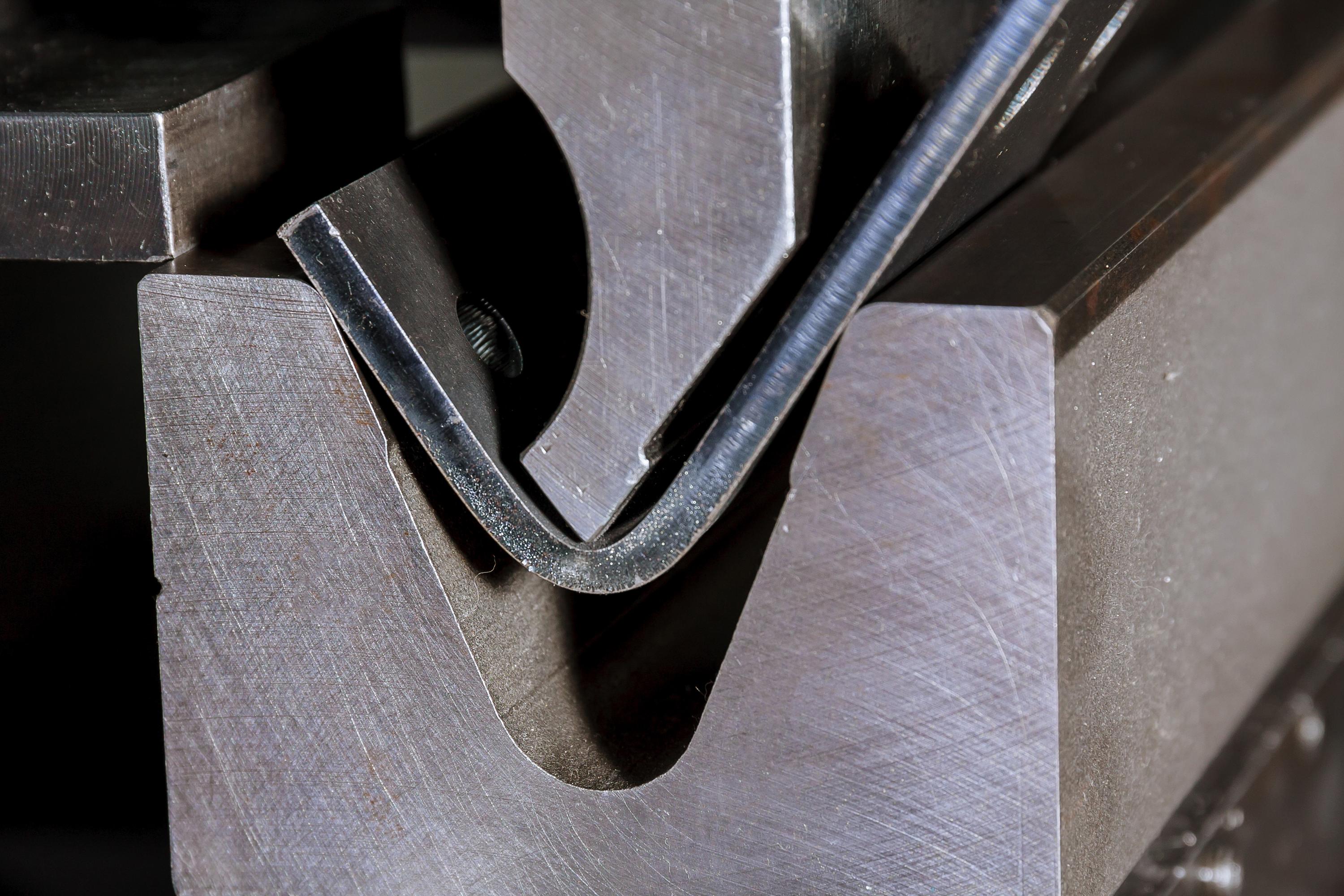
Consistency in bending is vital for quality production. Let’s explore the components that ensure accuracy and repeatability in your press brake operations.
Importance of Dynamic Crowning
Dynamic crowning plays a significant role in achieving uniform bends. It compensates for deflections during bending, ensuring consistent angles across the entire length of the workpiece. This feature is crucial, especially for long pieces, as it prevents the middle from drooping. Investing in a press brake with dynamic crowning saves time and reduces material waste by delivering accurate results every time.
Exploring Backgauge and Tooling Systems
Backgauge systems like the 6-axis backgauge are essential for precise positioning of the metal sheet. They allow for complex bends and increased productivity. Additionally, tooling systems are equally important. Options like Wila, Euro style, or quick-clamp tooling offer flexibility and efficiency in tool changes. Properly configured backgauge and tooling systems enhance your press brake’s performance and adaptability to various tasks.
Role of Angle Measurement and Safety Features
Angle measurement systems ensure precision in every bend. These systems provide real-time feedback, allowing for adjustments and corrections. Safety features such as laser guarding and CE certification are non-negotiable. They protect operators and ensure compliance with safety standards. Prioritizing both angle measurement and safety features guarantees a safe working environment and maintains high-quality production standards.
Support, Training, and Financing Options
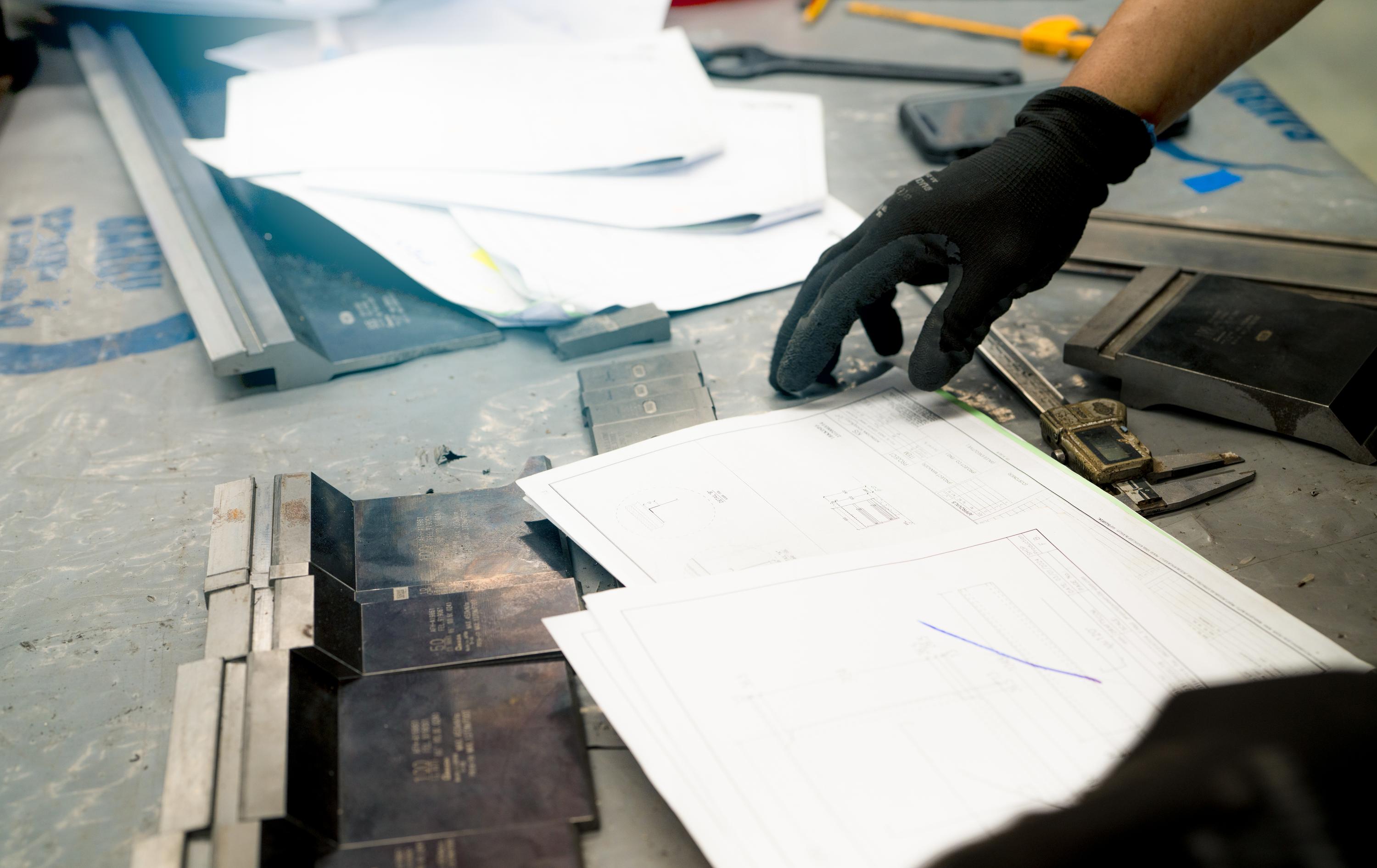
Beyond selecting the right press brake, consider the support and financing available to maximize your investment.
UK Installation and After-Sales Support
Installation and support are critical for seamless operation. UK-based services ensure timely assistance and minimal downtime. After-sales support includes regular maintenance, troubleshooting, and spare parts availability. Having reliable support means your press brake stays in top condition, reducing the risk of costly interruptions.
Flexible Finance and Trade-In Opportunities
Financing and trade-in options make acquiring a press brake more affordable. Flexible finance agreements allow for manageable payments, while trade-in opportunities can reduce upfront costs. These options enable you to upgrade to the latest technology without straining your budget, ensuring you always have the best equipment for your needs.
Scheduling a Bend Test and Demo
Before finalizing your purchase, scheduling a bend test and demo is wise. This allows you to see the machine in action and assess its capabilities. A demo helps in understanding the interface, control features, and overall functionality. It’s a valuable step that provides confidence in your investment decision.
Frequently Asked Questions
What is the best press brake for small workshops?
Electric press brakes are ideal for small workshops due to their compact design and energy efficiency. They provide precise results while saving space.
How does dynamic crowning improve bending accuracy?
Dynamic crowning compensates for deflection in the press brake, ensuring uniform pressure along the entire bend. This results in accurate and consistent angles.
Why is local installation support important?
Local installation support ensures quick setup and minimal downtime. It also provides ongoing maintenance and troubleshooting, keeping your machine running smoothly.
Are there financing options for purchasing a press brake?
Yes, flexible financing agreements are available, allowing for manageable payment plans. Trade-in opportunities can also lower the initial investment cost.
What safety features should a press brake have?
Look for laser guarding and CE certification. These features protect operators and ensure the machine complies with safety regulations.