

Choosing the right press brake can make or break your sheet metal bending process. Miss the mark on press brake tonnage, bed length, or control systems, and your production slows or parts fail. This guide walks you through key factors like dynamic crowning, tooling options, and safety features to help you get it right. Trust World Machinery Shropshire as your UK partner for expert advice, support, and tailored CNC press brake solutions. Book a free spec review and bend study today. For more insights, see this press brake buying guide.
Key Factors in Press Brake Selection
Selecting a press brake involves more than just choosing a machine. It’s about understanding the elements that drive your production forward.
Understanding Press Brake Tonnage
When you think about press brake tonnage, you’re considering the force required to bend metal sheets. Each material has its own requirement. For instance, steel needs more force compared to aluminum. The right tonnage ensures accuracy and prevents machine damage. If you miscalculate, you might face costly repairs or production delays.
Determining the appropriate tonnage involves looking at material thickness and type. A 4mm aluminum sheet may need about 30 tons, but a similar thickness in steel might require over 50 tons. Knowing these specifics helps in selecting the right press brake. It also means fewer errors and more efficient production.
Importance of Bed Length
Bed length is another critical factor. It dictates the maximum length of the material you can bend. Longer beds allow for bigger sheets, increasing your production capabilities. If your projects often involve large sheets, a longer bed is beneficial.
Choosing the right bed length also affects your workspace. A bed that’s too long might not fit well in smaller workshops. But remember: a bed too short limits your project size. Balancing your needs with available space ensures you get the best fit.
Evaluating Backgauge Axes
The backgauge is crucial for precision. It determines where the sheet will bend. More axes mean more control over the bending process. With multiple axes, you can achieve complex bends without repositioning the material.
However, a more advanced backgauge system may be daunting. It’s essential to consider your team’s skill level. Investing in training can maximize the benefits of a complex system. Ultimately, a well-chosen backgauge enhances both speed and accuracy.
Enhancing Precision and Control
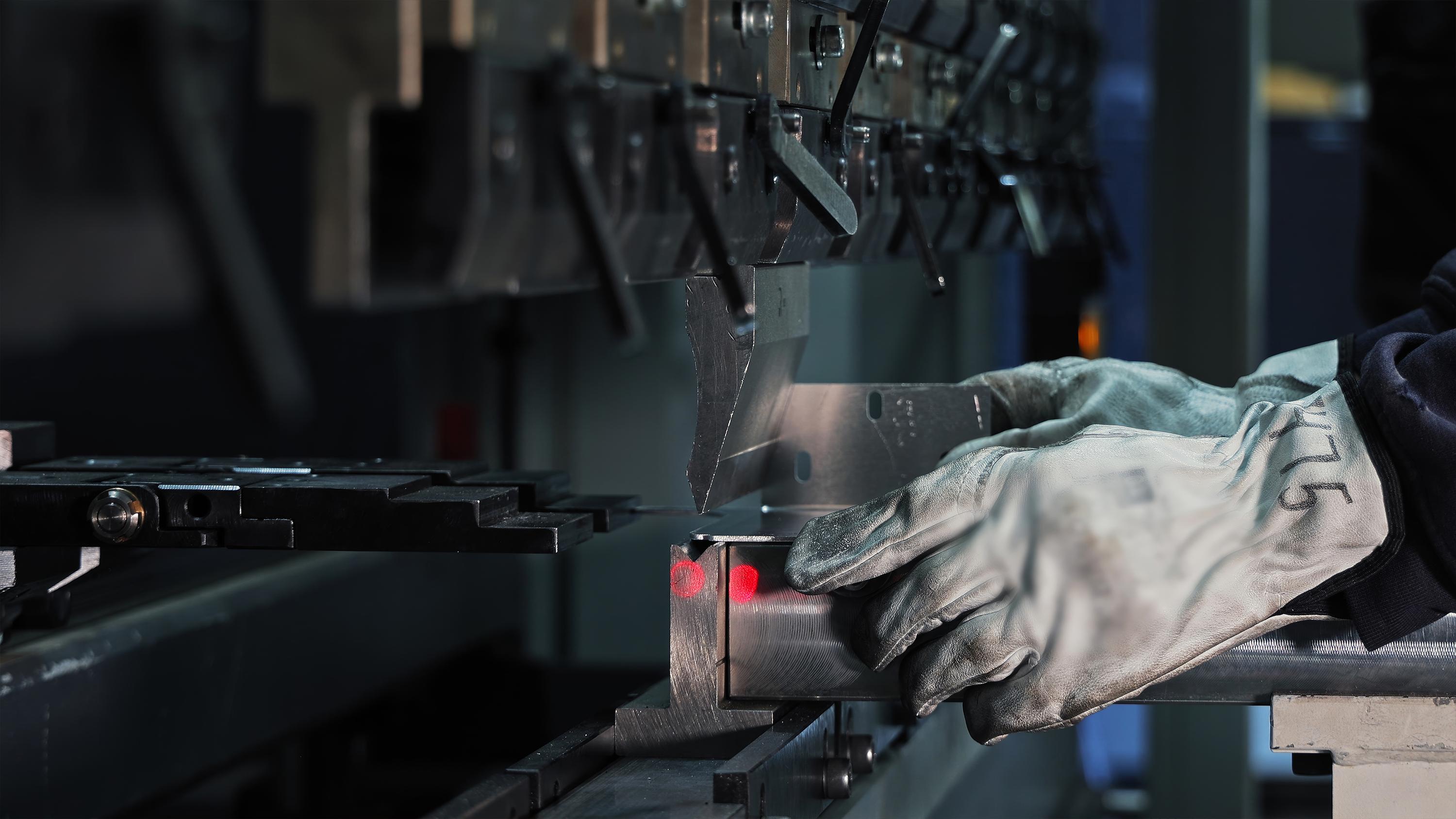
Precision is key in metal bending. Control systems play a pivotal role in achieving that precision.
Role of Dynamic Crowning
Dynamic crowning adjusts the machine during bending to ensure uniform pressure. Without it, the bend might not be consistent across the entire length. This feature is especially valuable for long bends, where pressure variances can occur.
A machine with dynamic crowning compensates for these variances. It adjusts in real-time, ensuring each bend is precise. For those aiming for perfect angles and smooth finishes, this is a feature worth considering.
Benefits of Delem and ESA Control
Control systems like Delem and ESA offer user-friendly interfaces. They simplify complex tasks, making them easier for operators. With these systems, setting up bends becomes more intuitive and less prone to error.
These controls also provide flexibility. You can store various programs for different projects, reducing setup time. For manufacturers aiming to streamline processes, investing in advanced control systems is a wise decision.
Impact of Angle Measurement Systems
Angle measurement systems ensure the bend’s accuracy. They measure the angle in real-time, allowing for immediate adjustments. This reduces the chances of errors and wasted materials.
For businesses focused on high-quality output, these systems are invaluable. They not only enhance precision but also increase confidence in the finished product. Consistent quality leads to satisfied customers and repeat business.
Supporting Production Efficiency

Efficient production is not just about speed. It’s about using resources wisely and minimizing waste.
Energy Efficient Press Brake Options
In today’s world, energy efficiency is more important than ever. Press brakes that consume less power reduce operational costs. They also contribute to a smaller carbon footprint.
Consider electric press brakes if energy savings are a priority. They offer the same performance as hydraulic models but with reduced energy consumption. Over time, the savings can be significant, benefiting both your budget and the environment.
Advantages of Offline Programming
Offline programming allows you to prepare and test bending programs without interrupting production. This means you can troubleshoot and optimize setups before they go live.
For businesses with tight schedules, this feature is a game-changer. It minimizes downtime and maximizes productivity. By integrating offline programming, you ensure smoother operations and faster turnaround times.
Safety with Lazersafe Systems
Safety should always be a top concern. Lazersafe systems enhance safety by providing real-time monitoring. They detect potential hazards and stop operations instantly.
Incorporating these systems reduces the risk of accidents, ensuring a safer working environment. For businesses, this means peace of mind and fewer interruptions due to safety concerns.
Frequently Asked Questions
What is the role of tonnage in press brake selection?
Tonnage determines the force needed to bend materials. Selecting the right tonnage ensures accurate bends and protects the machine from damage.
Why is bed length important for press brakes?
Bed length impacts the maximum material size you can handle. Choosing the right length balances your project needs with available workspace.
How does dynamic crowning improve bending accuracy?
Dynamic crowning adjusts the machine during bending to maintain uniform pressure, ensuring consistent bends across the material.
What are the benefits of advanced control systems like Delem and ESA?
These systems offer user-friendly interfaces and flexibility, making complex tasks simpler and reducing setup time.
How do Lazersafe systems enhance safety?
Lazersafe systems provide real-time monitoring, stopping operations instantly to prevent accidents and ensure a safer environment.