
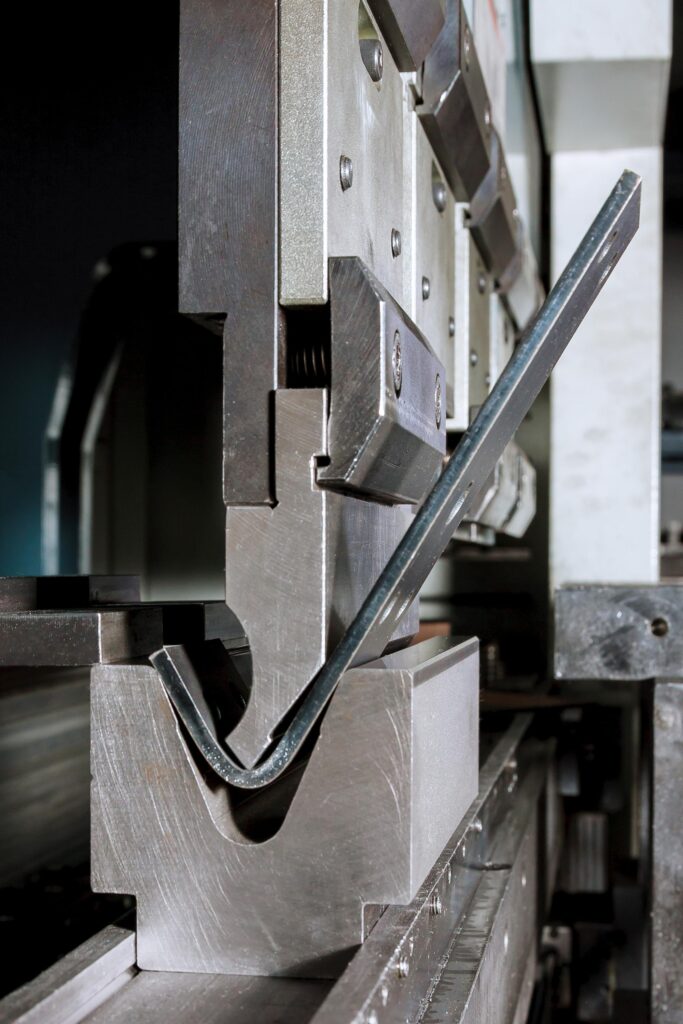
Choosing the right CNC press brake can feel overwhelming with so many options and technical details. You need a machine that matches your workshop’s bending length capacity, tonnage, and accuracy requirements without compromise. This press brake selection guide breaks down key features like electric versus hydraulic models, CNC controllers Delem and ESA, and automatic crowning to help you make the best choice. Request a free bending application review or book a demo to find the perfect fit for your fabrication needs. For further insights, check this comprehensive buying guide.
Choosing the Right CNC Press Brake
Selecting the ideal CNC press brake involves understanding various aspects. From machine type to specific features, each choice can impact your workshop’s efficiency. Let’s explore these elements one by one.
Electric vs. Hydraulic Press Brake
Electric and hydraulic press brakes each offer unique advantages. Electric models generally provide precision with their digital controls. They are quieter and consume less energy, making them a cost-effective choice for some workshops. In contrast, hydraulic press brakes are known for their robustness and high force capability, ideal for heavier tasks. Deciding between them depends on your specific needs, including the type of materials you work with and your production volume.
Understanding Tonnage and Bending Capacity
Tonnage and bending capacity are crucial when choosing a press brake. Tonnage determines the force the machine can exert, impacting the thickness of materials you can bend. Bending capacity relates to the machine’s ability to handle specific lengths and thicknesses of metal. Calculating these factors accurately ensures your press brake meets your production needs without straining the machine.
Importance of Press Brake Accuracy
Accuracy in a press brake is non-negotiable. It determines the quality of the final product. Accurate machines reduce waste and ensure consistency, which is essential for maintaining standards in production. When evaluating a press brake, check its precision levels and how consistently it can replicate those levels across different jobs.
Key Features and Benefits
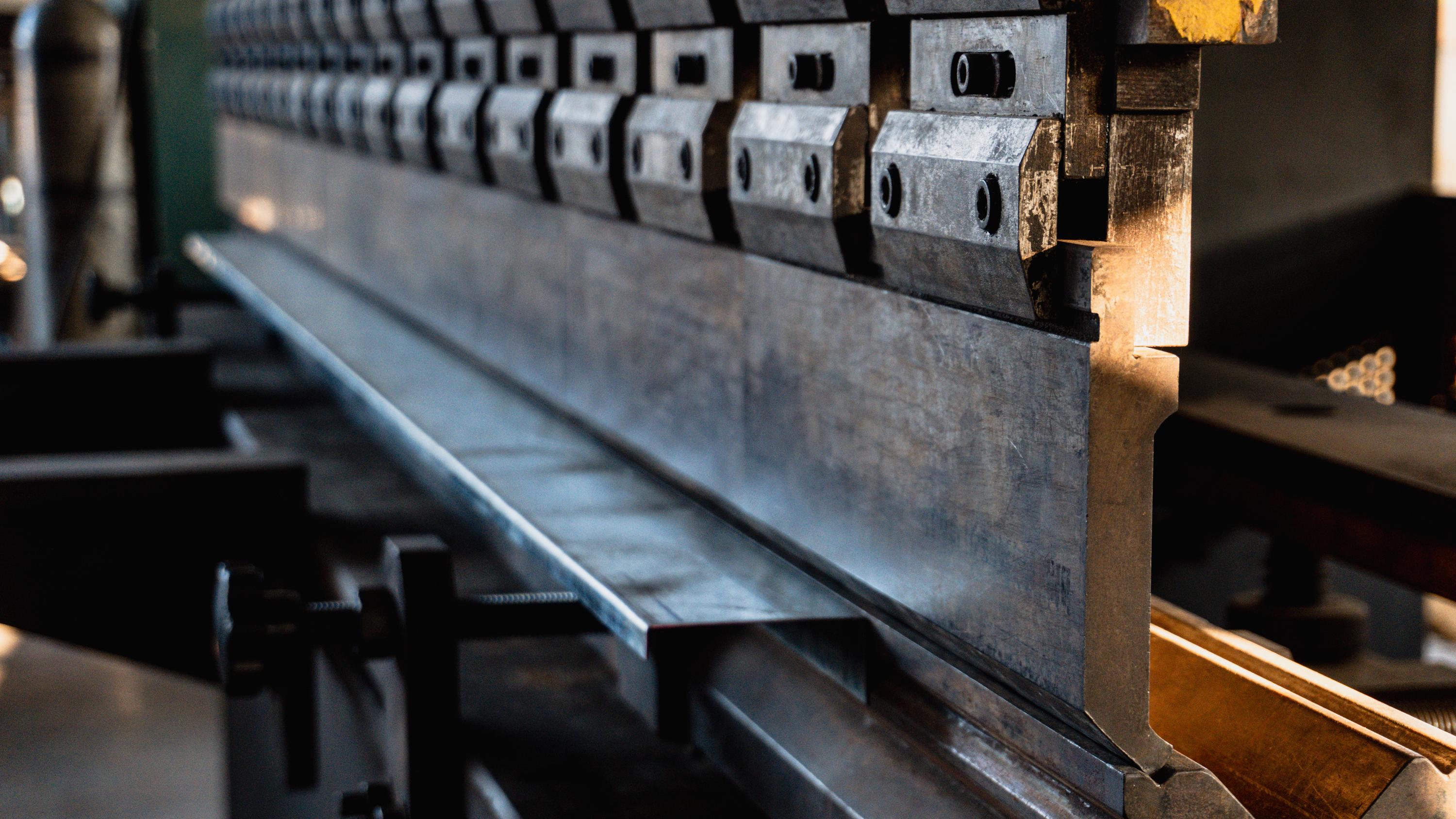
Exploring the key features of CNC press brakes reveals the benefits they bring to fabrication processes. These include innovations that enhance productivity and accuracy.
Automatic Crowning and Multi-axis Backgauge
Automatic crowning ensures uniform bending by compensating for deflections during operation. This feature is crucial for maintaining consistent bends across the piece. A multi-axis backgauge allows for complex bending processes, providing flexibility and precision in handling different workpieces. These features together enhance the machine’s performance, ensuring high-quality results every time.
CNC Controller Options: Delem vs. ESA
Choosing between Delem and ESA controllers depends on your operational needs. Delem controllers are user-friendly and integrate well with various systems, offering extensive functionalities. ESA controllers, on the other hand, are known for their advanced features and adaptability, providing robust solutions for complex tasks. Consider the specific requirements of your operation when choosing a controller.
Offline Programming and Tooling Packages
Offline programming is a game-changer for efficiency. It allows you to prepare and test programs away from the machine, minimizing downtime. Coupled with comprehensive tooling packages, it ensures you have the right tools for any job, enhancing your workshop’s versatility. This combination is a significant productivity booster, allowing for smoother operations.
Support and Finance Options
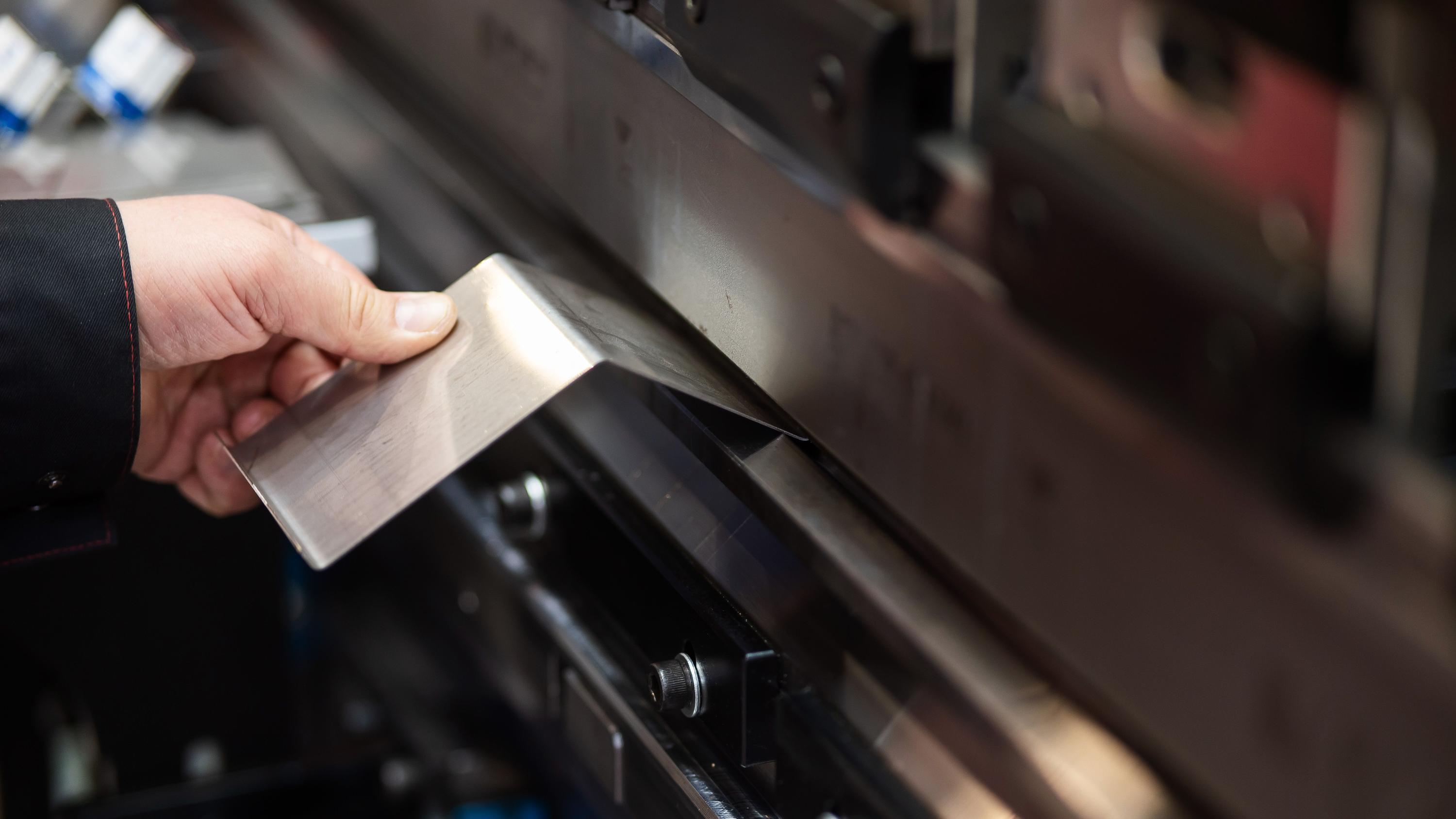
Support and financing are as crucial as the machine itself. They determine how smoothly you can integrate the press brake into your operations and your overall financial outlay.
Press Brake Maintenance and Installation
Proper maintenance and installation are key to longevity and performance. Ensure you have a skilled team or reliable service provider for setup and regular checks. This support minimizes downtime and extends the lifespan of your press brake, ensuring it remains a valuable asset to your workshop.
Flexible Finance and Used Machines
Flexible financing options can make acquiring a press brake more accessible, allowing you to invest in quality machinery without straining resources. Additionally, considering used machines can be a cost-effective option. They offer the benefits of a press brake at a reduced cost when carefully inspected and maintained.
After-sales Support and Training UK
Quality after-sales support and training are vital for maximizing the benefits of your press brake. Having a local support team ensures quick resolution of issues, while training helps your staff use the machine to its fullest potential. This combination ensures your operations run smoothly and efficiently.
Frequently Asked Questions
What is the main difference between electric and hydraulic press brakes?
Electric press brakes offer precision and cost-efficiency through digital controls, ideal for lighter tasks. Hydraulic models provide greater force and robustness, suitable for heavier work.
How do I calculate the tonnage required for my press brake?
Calculating tonnage involves assessing the material type and thickness you intend to bend. It’s crucial to ensure your press brake can handle your specific needs without overburdening the machine.
Why is press brake accuracy important?
Accuracy ensures high-quality output and consistency, reducing material wastage and meeting production standards, which is crucial in any manufacturing process.
Are used press brakes a good investment?
Used press brakes can be a great investment if they are well-maintained and inspected. They offer the required functionality at a reduced cost, making them an excellent option for budget-conscious buyers.
What should I consider when choosing a CNC controller?
When selecting a CNC controller, consider your operational requirements. Delem is known for its user-friendliness, while ESA offers advanced features for more complex tasks.