
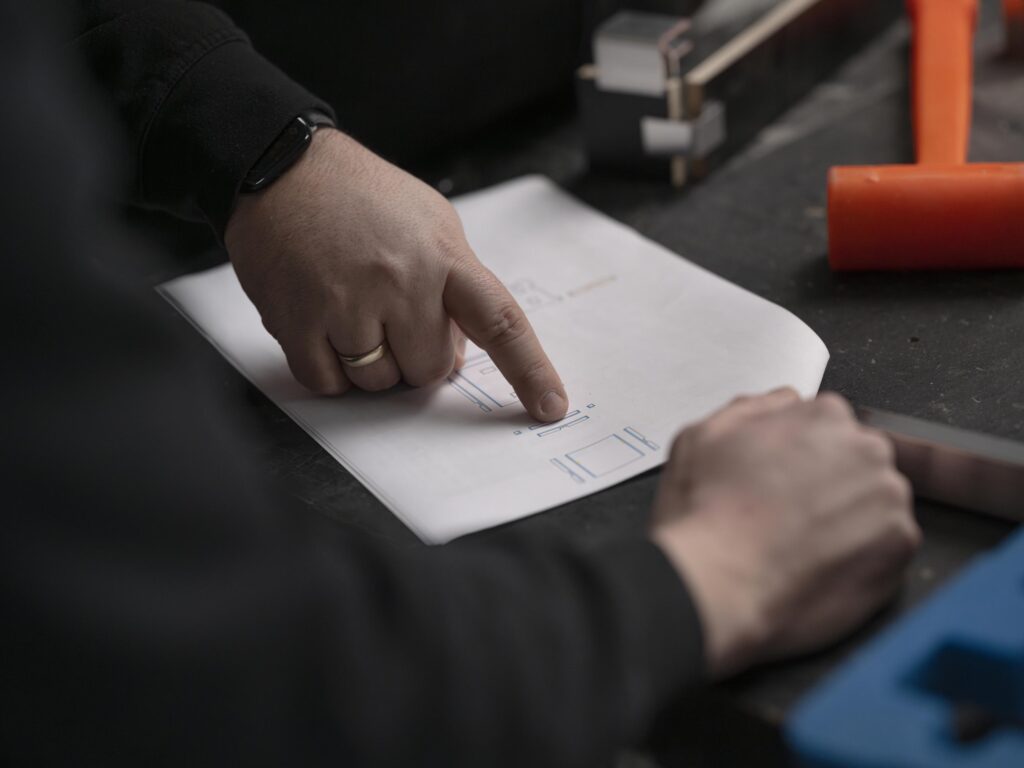
Choosing the right press brake can make or break your sheet metal workflow. Many UK workshops struggle with matching tonnage, bend length capacity, and tooling options to their specific needs. This guide breaks down key factors like electric vs hydraulic press brakes, throat depth, and multi-axis backgauges. Read on to get clear, practical advice that sharpens your decision and boosts your sheet metal productivity. Book a free spec review and bending demo with our UK team today. Read more about press brake selection.
Understanding Press Brake Types
Choosing the right press brake is crucial for your workshop’s efficiency. Different types offer unique benefits, and understanding them helps you make informed decisions.
Electric vs Hydraulic Press Brakes
Electric and hydraulic press brakes are the main types you’ll encounter. Electric press brakes are known for their precision and energy efficiency. They use servo motors to control the bending process, making them ideal for tasks requiring high accuracy. On the other hand, hydraulic press brakes are preferred for heavy-duty applications due to their robust power. They are excellent for bending thicker materials, offering greater tonnage capacity.
When selecting between these, consider the materials you work with most often. For precise tasks and energy savings, electric press brakes are the way to go. For larger, more demanding projects, hydraulic options provide the necessary force.
Choosing CNC Press Brake in UK
Selecting a CNC press brake involves evaluating your specific needs. CNC press brakes offer automation and precision, making them ideal for complex bending tasks. When choosing one, look at factors like machine size, control systems, and compatibility with your shop’s software. A well-chosen CNC press brake enhances productivity by reducing setup times and increasing accuracy. It’s essential to find a machine that aligns with your workflow and production demands.
Energy Efficient Press Brake Options
Energy efficiency is a growing concern for many workshops. Electric press brakes are more energy-efficient than hydraulic models. They consume less power and operate more quietly, reducing overall shop noise. By investing in energy-efficient equipment, you’re not just saving on electricity costs but also contributing to a greener environment. It’s a smart choice for workshops looking to improve sustainability without compromising on performance.
Key Specifications to Consider
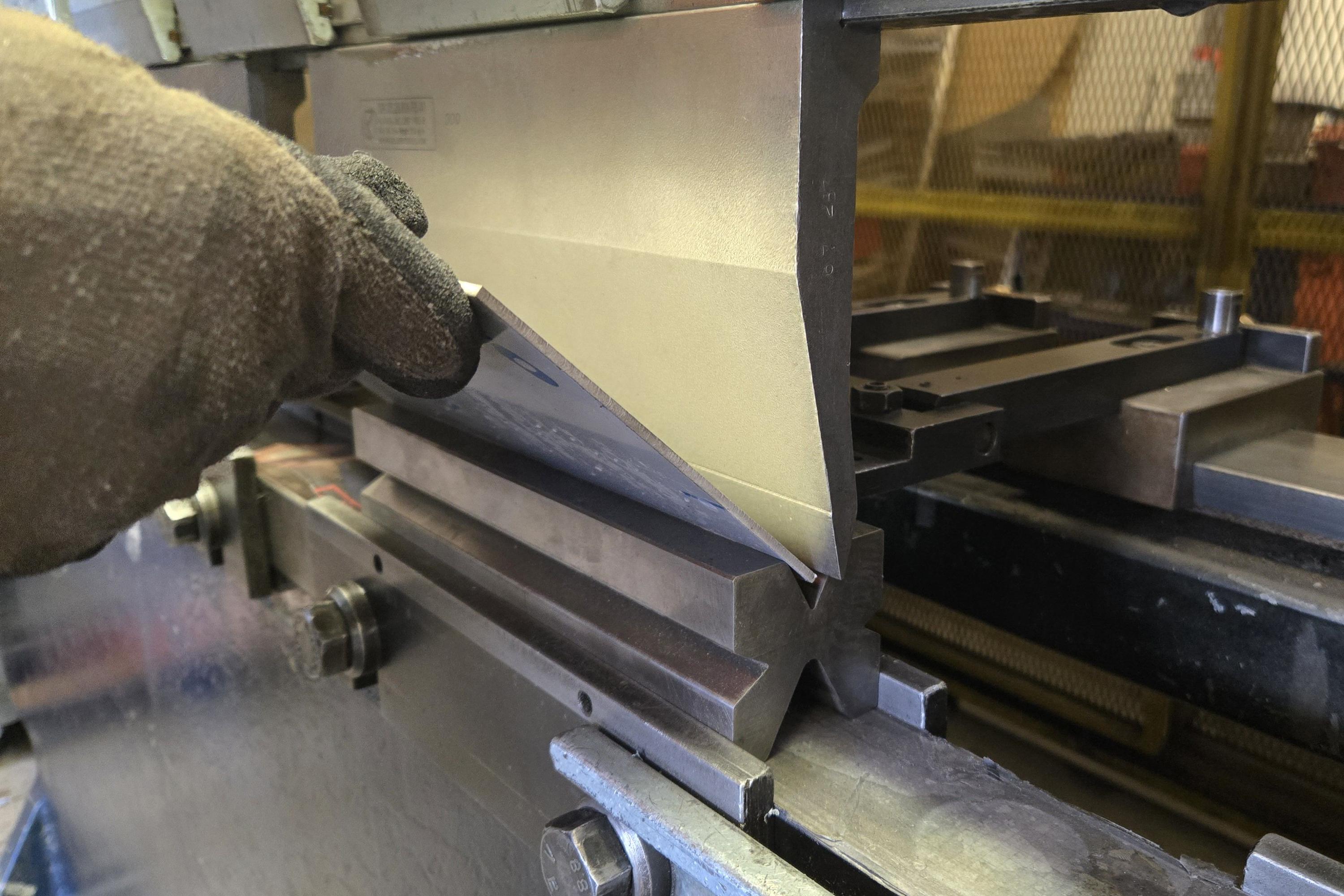
Understanding press brake specifications is vital for matching the right machine to your needs, ensuring optimal performance.
Press Brake Tonnage Calculator
The tonnage of a press brake determines the thickness of the material you can bend. Use a press brake tonnage calculator to determine the force required for your specific projects. Consider the type of material and its thickness. This ensures you choose a machine capable of handling your workload without strain. A correctly sized press brake prevents damage to both the machine and the workpiece.
Bend Length Capacity and Throat Depth
Bend length capacity and throat depth are essential factors in press brake selection. Bend length refers to the maximum length of material the machine can bend in one go. Throat depth dictates how far the material can be inserted into the machine. Understanding these specifications helps you choose a press brake that fits your typical job sizes, ensuring smooth and efficient operations.
Stroke and Daylight Essentials
Stroke length and daylight opening are critical for accommodating different workpiece sizes. Stroke length affects the press brake’s ability to complete a bend, while daylight opening determines the maximum height of the workpiece. Choosing a press brake with adequate stroke and daylight ensures flexibility in handling various tasks. This versatility is crucial for accommodating diverse project requirements.
Enhancing Sheet Metal Productivity
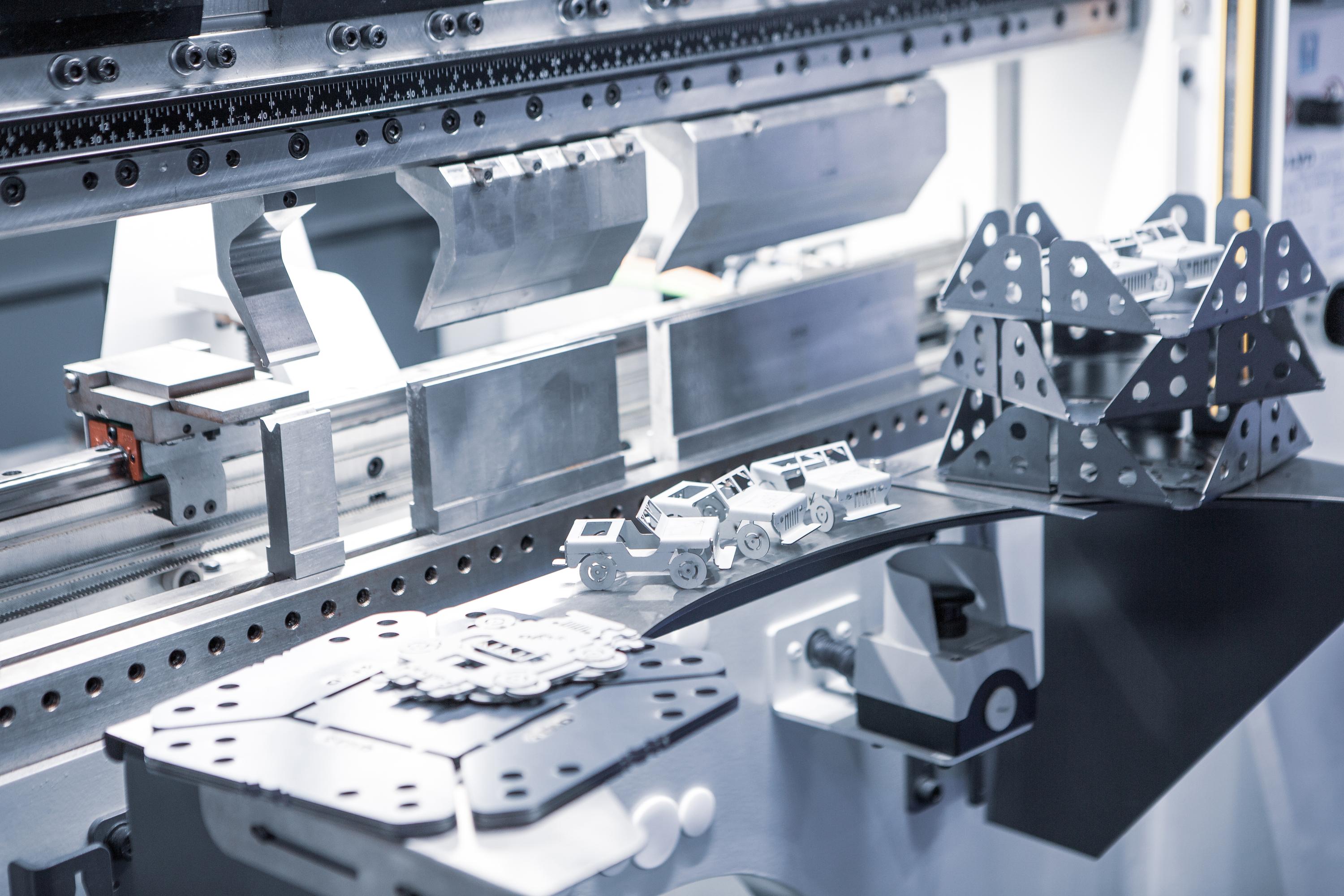
To boost production efficiency, focus on features that streamline operations and improve outcomes.
Multi-axis Backgauge and CNC Crowning
A multi-axis backgauge system enhances precision by allowing complex bends with minimal manual adjustments. CNC crowning compensates for machine deflection, ensuring consistent bend angles across the length of the material. These features together improve accuracy and reduce rework, saving time and material costs.
Offline Programming and Angle Measurement
Offline programming software allows you to prepare bending programs without occupying the machine, reducing downtime. Angle measurement systems provide real-time feedback, ensuring bends are accurate the first time. These technologies enhance workflow efficiency, allowing your team to focus on quality rather than constant re-calibration.
Safety Guarding and Maintenance Plans
Safety and maintenance are paramount in any workshop. Implementing proper safety guarding protects operators from hazards. Regular maintenance plans extend the lifespan of your press brake and minimize unexpected downtime. Investing in these areas fosters a safe working environment and maximizes your equipment’s return on investment.
Frequently Asked Questions
What is the difference between electric and hydraulic press brakes?
Electric press brakes offer greater precision and energy efficiency, using servo motors for control. Hydraulic press brakes, however, provide more power and are suitable for heavier materials.
How do I calculate the tonnage needed for my press brake?
Use a press brake tonnage calculator, considering the material type and thickness. This helps determine the necessary force for your specific bending tasks.
Why is energy efficiency important in choosing a press brake?
Energy-efficient press brakes, like electric models, reduce power consumption and lower operational costs. They also contribute to a quieter and more sustainable workshop environment.
What are the benefits of a multi-axis backgauge system?
A multi-axis backgauge system enhances bending precision by allowing complex bends with minimal manual adjustments, improving productivity and quality.
How can offline programming improve workflow efficiency?
Offline programming reduces machine downtime by allowing you to prepare bending programs without occupying the machine, streamlining operations and focusing on quality output.