
Step-by-Step Guide to Maintaining Your CNC Machinery for Reliable Performance
Most CNC breakdowns happen because routine upkeep gets overlooked. When your CNC machinery misses regular care, unexpected downtime hits production hard. This guide walks you through clear steps to keep your machines running smoothly and extend their lifespan. Follow these proven CNC maintenance practices to secure reliable performance every day. Contact us for expert maintenance services. For more information, you can visit this resource.
Essential CNC Maintenance Practices
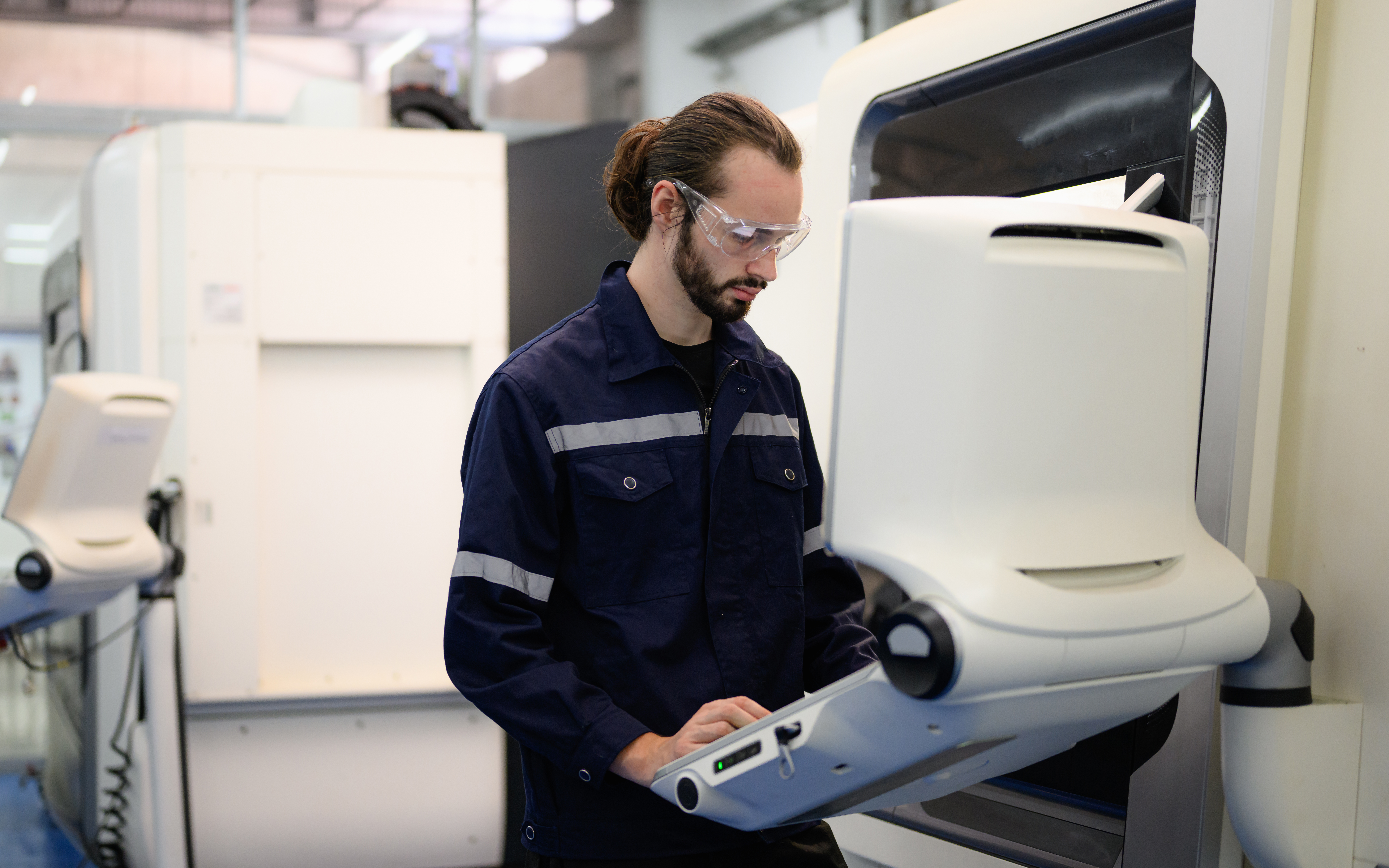
Keeping your CNC machinery in top shape isn’t just about avoiding breakdowns—it’s about ensuring smooth operations and extending your machine’s life. Let’s dive into the essentials.
Daily Inspection Checklist
A consistent daily check keeps your CNC running without hiccups. Start each day with a thorough inspection.
-
Power Supply: Ensure all cables are securely connected. A loose cable can lead to unexpected power-offs.
-
Lubrication: Check oil levels. Proper lubrication prevents overheating and wear.
-
Tool Condition: Inspect tools for wear. Replace any that are dull or damaged.
These steps might seem small, but they add up to big savings in time and repair costs. Missing a day can mean catching a minor issue before it becomes a costly repair.
Weekly Cleaning Routine
A clean machine is a happy machine. Dust and debris can lead to malfunction if left unchecked.
-
Exterior Cleaning: Wipe down surfaces to remove dust. This prevents buildup that can affect performance.
-
Chip Removal: Clear chips from the machine bed. Accumulated chips can cause jams.
-
Filter Check: Clean or replace filters. Clean filters ensure your machine runs cool.
This routine keeps your CNC in peak condition. Remember, a clean machine runs smoother and lasts longer.
Monthly Calibration and Testing
Regular calibration ensures accuracy. A misaligned machine can ruin a project.
-
Alignments Check: Verify that all moving parts are aligned. Misalignment can lead to errors in production.
-
Performance Testing: Run a test project. This checks if everything is functioning properly.
-
Software Updates: Ensure your software is up-to-date. Updates can fix bugs and improve performance.
Consistency in these checks prevents long-term damage and ensures precision in every project.
Ensuring CNC Reliability
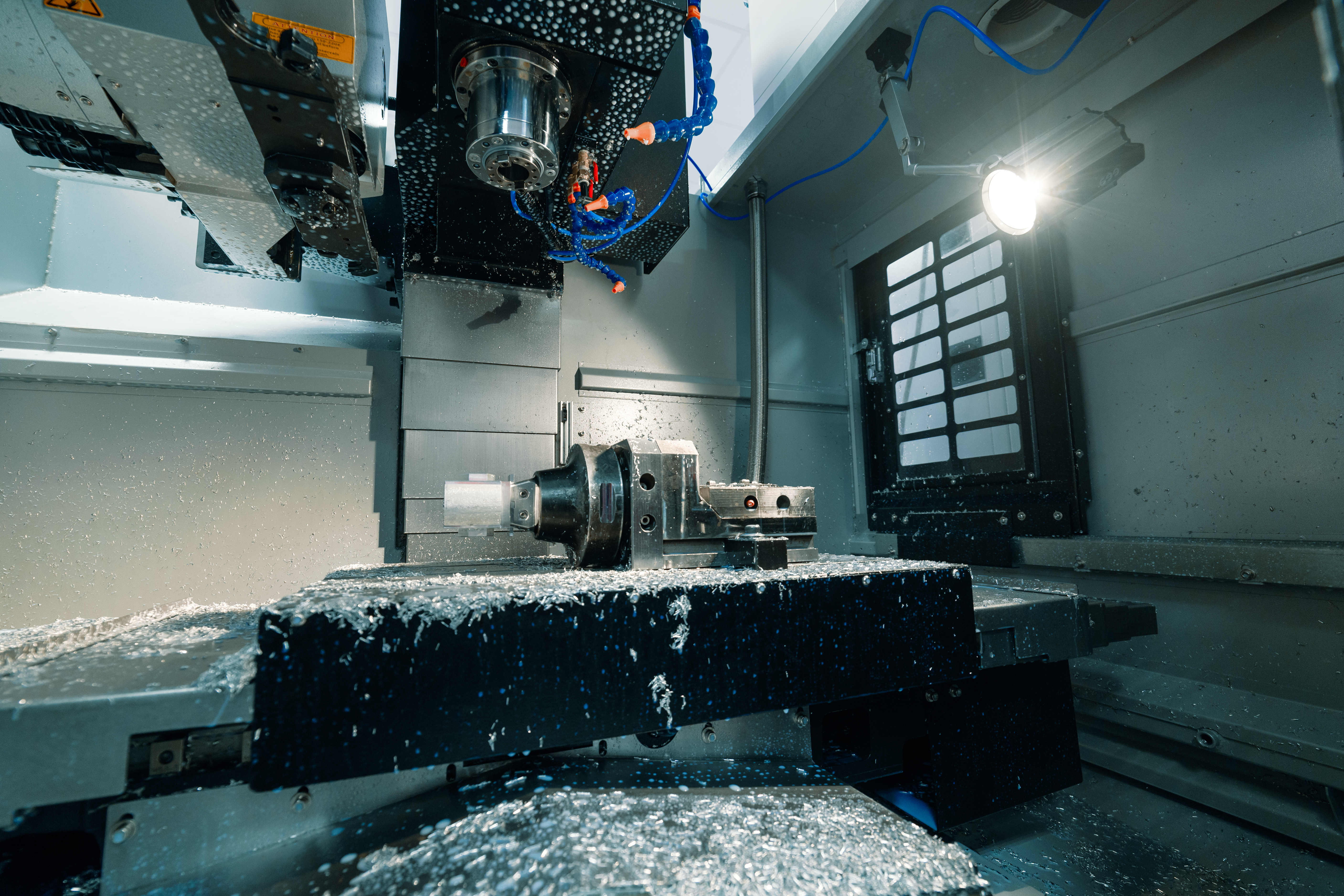
Reliability is key to productivity. Understanding potential issues and addressing them early is vital.
Identifying Common Issues
Spotting problems early can save you from bigger headaches later.
-
Noise Levels: Listen for unusual sounds. They can indicate parts that need attention.
-
Temperature: Monitor machine temperature. Overheating often points to a maintenance issue.
-
Vibrations: Increased vibrations can signal loose parts.
Most people assume these signs are minor, but they can lead to major failures if ignored.
Troubleshooting Techniques
Knowing how to troubleshoot can save time and money.
-
Error Codes: Familiarize yourself with machine error codes. These codes help pinpoint the issue.
-
Simple Fixes: Check connections and restart. Sometimes, a quick reboot resolves the problem.
-
Consult Manuals: Use the machine’s manual for guidance. It’s packed with troubleshooting tips.
By understanding these basics, you can quickly address many issues yourself, reducing downtime.
Scheduling Professional Service
Even with regular maintenance, professional checks are crucial.
-
Bi-Annual Service: Schedule a professional check twice a year. Professionals can spot issues you might miss.
-
Specialized Repairs: For complex problems, call in the experts. Attempting to fix these yourself can worsen the issue.
-
Consultation: Use professional visits to ask questions and learn more about your machine.
The longer you wait to address issues, the more costly they become. Having a professional service schedule keeps your CNC in top form. For further reading on preventive maintenance, check out this preventive maintenance guide.
By implementing these steps, you’re not just maintaining your CNC—you’re ensuring it delivers consistent, high-quality results every time. Your commitment to regular upkeep reflects on your bottom line, enhancing productivity and minimizing costly disruptions.