
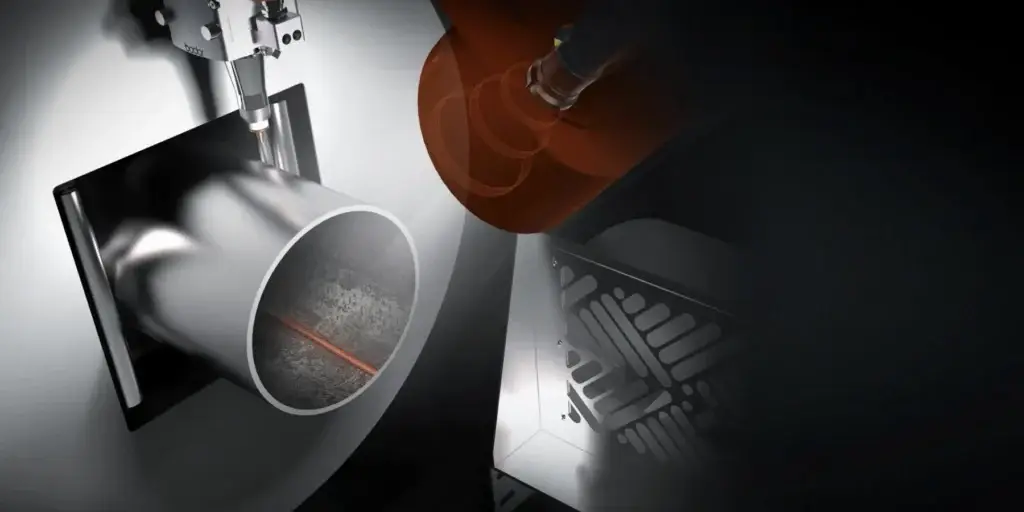
Used metalworking machinery can be a smart investment—if you know what to check. Many buyers miss critical details like laser source hours and machine geometry, risking costly surprises. This checklist breaks down the key steps for assessing used CNC machines UK, fiber lasers, press brakes, and deburring machines. Follow it to spot red flags, verify service history, and ensure CE compliance before committing.
Assessing Used Metalworking Machinery
When evaluating used machinery, the goal is to ensure that you make a wise investment. You don’t want to risk unforeseen expenses due to overlooked details. Let’s start by looking into specific types of machines.
Evaluating CNC Machines in the UK
CNC machines are versatile, but assessing their condition is crucial. You need to check their geometry and alignment first. This ensures accuracy in machining. Look for signs of wear that might indicate neglect.
A ballbar test is a practical method. It checks the machine’s circular accuracy. Small deviations can lead to significant errors in your production line. Knowing the servo backlash and repeatability helps too. Machines with high repeatability are more reliable.
Finally, test the machine under load. This can reveal performance issues that aren’t immediately obvious. Remember, a reliable CNC machine is the backbone of your production. Invest wisely to keep your operations smooth.
Inspecting Used Fiber Lasers
Fiber lasers are remarkable for precision cutting. However, used ones require careful assessment. Start by checking the laser source hours and life. This tells you how much life the laser has left. A heavily used laser might need replacement soon.
Inspect the optics and beam quality. These affect the laser’s cutting precision. A simple test cut can reveal much about the machine’s condition. Be wary of inconsistent cuts or visible defects. They often indicate deeper issues.
Finally, check for any CE compliance marks. This ensures the laser meets safety standards. Without this mark, you might face legal hurdles. Ensure that all necessary compliance paperwork is complete and up to date.
Key Inspection Checklist Components
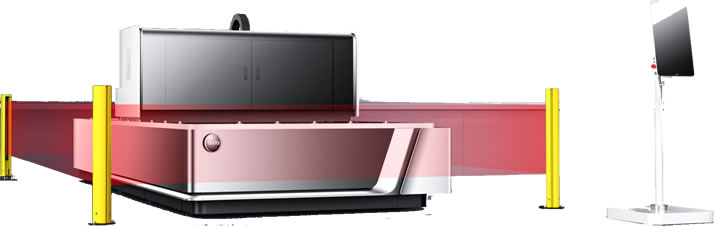
A detailed checklist can save you from costly mistakes. Let’s explore key areas you should focus on for any machine audit.
Pre-Purchase Machine Audit Tips
A thorough audit begins with a visual inspection. Look for signs of wear, rust, or damage. Each can indicate potential problems down the line. Don’t forget to check the control panels. Outdated or malfunctioning controls can impede operation.
Next, run the machine if possible. Listen for unusual noises. They might signal mechanical issues. Verify that all movements are smooth and precise. This is crucial for the machine’s productivity.
Lastly, consult an expert if needed. Sometimes, a second opinion can spot issues you might miss. Their insight could prevent a poor investment. Remember, it’s better to be safe than sorry when buying used equipment.
Verifying Laser Source Hours and Life
Knowing the laser’s usage is just as important as its current condition. Here’s how to verify this critical aspect.
Start with the manufacturer’s maintenance logs. These logs should clearly state the laser source hours. It’s a direct indicator of the laser’s remaining life. If logs are missing, proceed with caution.
Perform a power test. This checks if the laser output matches the specified power. A significant drop might mean the laser is nearing the end of its life.
Lastly, consider the cost of replacing the laser source. If it’s too high, it might be better to look for another unit. Knowing these aspects helps you make a well-informed decision.
Importance of Proper Documentation
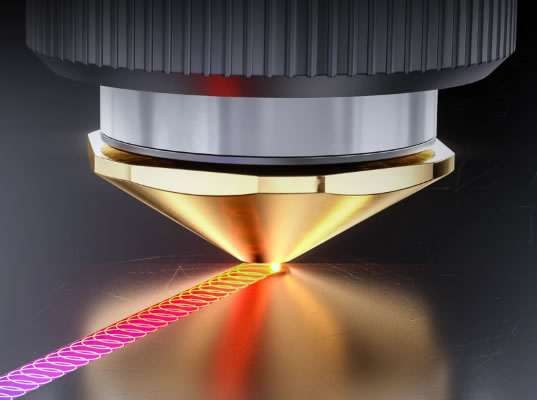
Proper documentation is your best friend when buying used machinery. It offers a complete history and reassures you of your purchase. Let’s dig deeper into what to look for.
Service History Verification Steps
Service history gives a full picture of the machine’s past. Start by asking for records of regular maintenance. They show how well the machine was cared for. Also, check for any major repairs. Frequent repairs might suggest chronic issues.
Verify the authenticity of these records. Contact previous owners or service providers if needed. They can confirm the machine’s history. This step ensures there are no hidden surprises.
Remember, a machine with a well-documented service history often performs reliably. It’s a sign of a well-maintained unit worth investing in.
CE Compliance and Machine Safety
Safety should never be compromised. Ensuring CE compliance is a critical step in the purchase process. The compliance mark shows the machine meets EU safety standards. Without it, you risk legal challenges and safety issues.
Look for the CE mark on the machine itself. Verify its authenticity with the manufacturer’s records. You can also request a compliance certificate. This document confirms the machine’s adherence to safety standards.
Taking these steps not only ensures compliance but also safeguards your operations. A compliant machine means peace of mind and uninterrupted production.
In the end, buying used metalworking machinery is about making an informed decision. With these guidelines, you can minimize risks and maximize your investment returns.