
The Ultimate Guide to Evaluating Used Metalworking Machinery
Many buyers overpay for used metalworking machinery without spotting hidden flaws. You need a clear checklist to assess CNC machinery quality and value before investing. This guide breaks down the key steps in machinery evaluation to help you avoid costly mistakes and secure reliable metalworking solutions. Contact us for expert advice on choosing used machinery. For further insights, you can visit this buying guide.
Key Factors in Machinery Evaluation
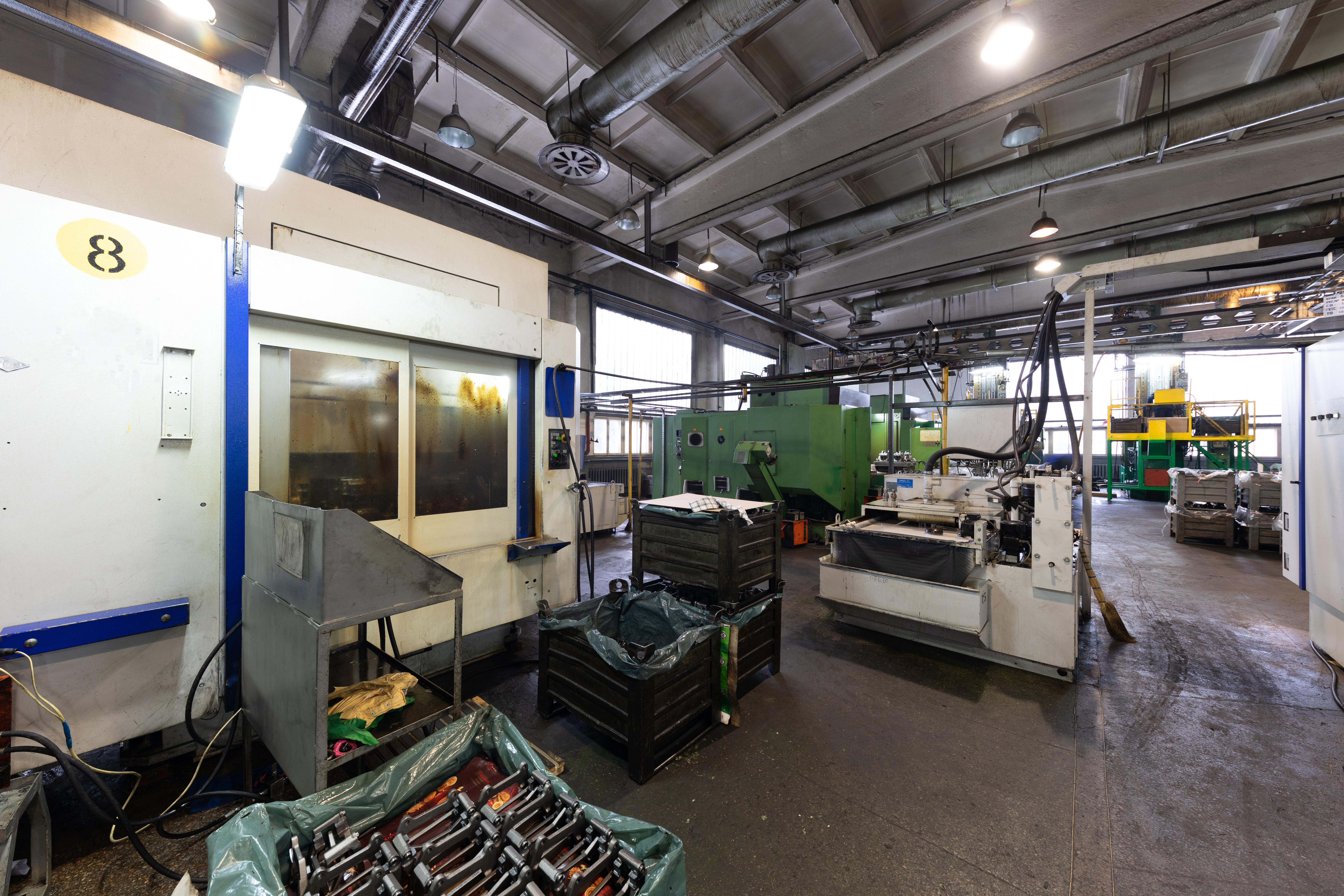
Before making a purchase, understanding the essential factors in machinery evaluation is crucial. It sets the foundation for a successful investment.
Assessing Machine Condition
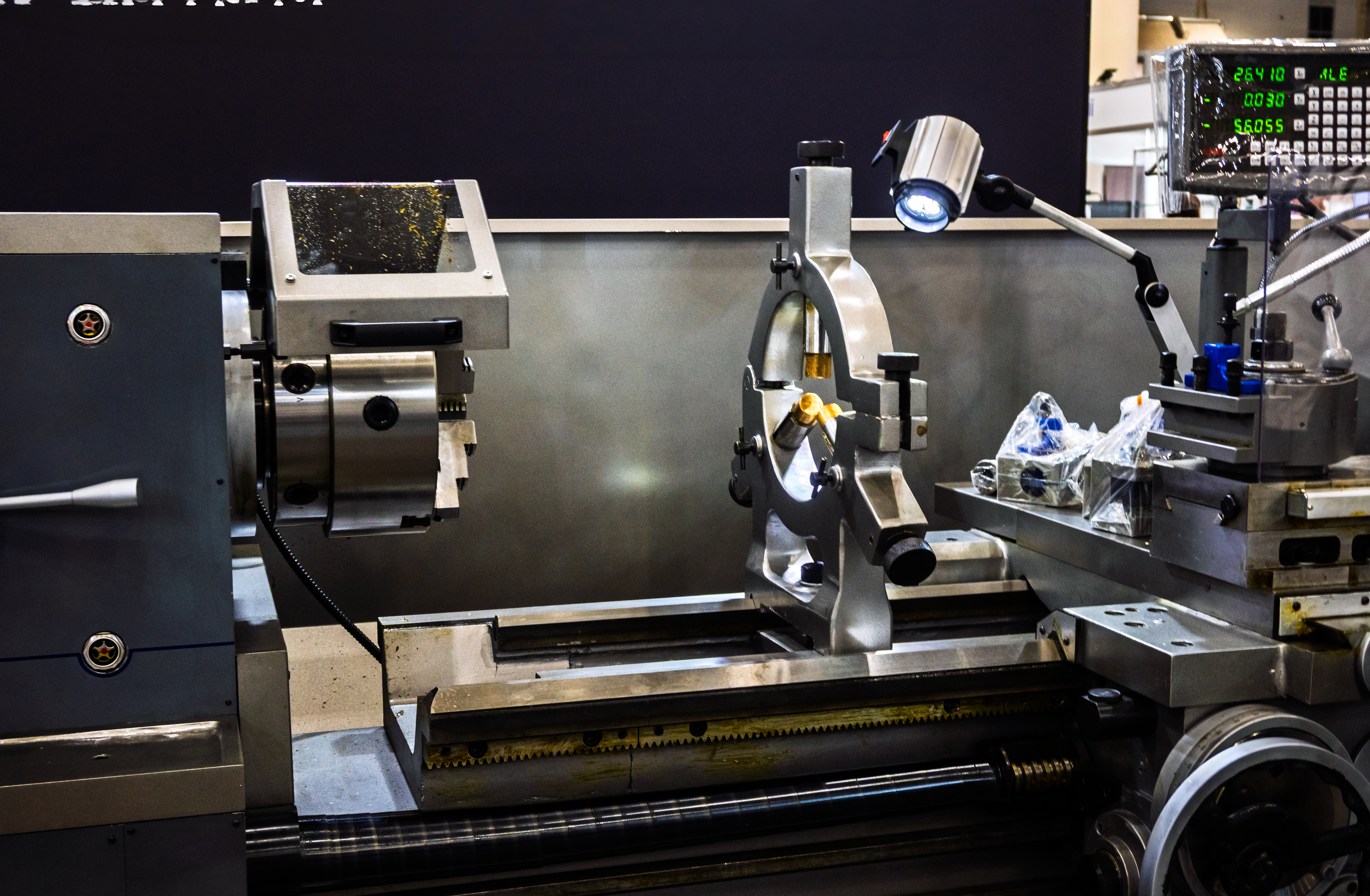
The condition of a machine speaks volumes about its potential performance. Start by inspecting the exterior for any signs of wear and tear. Scratches, dents, or rust could indicate neglect. Inside, check the moving parts. They should move smoothly without unusual noises. Pay close attention to the spindle and bearings. These components are essential for precise operations and can be costly to repair.
For a deeper dive into machine condition evaluation, consider this evaluation guide. It provides valuable tips and tricks to help you assess condition effectively.
Evaluating CNC Machinery Performance
Performance evaluation focuses on the machine’s operational capabilities. Begin by reviewing the machine’s history and maintenance records. A consistent service history suggests reliability. Next, verify the precision and accuracy of outputs by running test cuts. This is crucial to ensure the machine meets your production standards. Don’t overlook the control system; it should be intuitive and error-free.
For additional advice on evaluating CNC performance, check out this informative blog post.
Determining Machinery Value
Once you’ve assessed condition and performance, it’s time to evaluate value. This ensures you make a cost-effective purchase.
Cost-Effectiveness Analysis
Determining whether a machine is cost-effective involves more than just the initial price. Consider the long-term costs of maintenance and repairs. Calculate potential downtime if the machine requires servicing. A machine with a lower upfront cost may end up being more expensive in the long run due to frequent repairs. A thorough analysis helps ensure you get the best deal.
To enhance your understanding of cost-effectiveness, refer to this pricing guide.
Comparing Market Prices
Market price comparison is a critical step. It gives you a baseline for what machines typically cost. Look at similar models and years. Factor in any additional features or upgrades. Prices can vary significantly, so be sure to compare multiple sources. A well-researched comparison can save you thousands.
For more insights on evaluating and pricing used equipment, check this useful article.
Finalizing Your Purchase
You’ve assessed value and condition. Now, let’s finalize your purchase and ensure ongoing support.
Negotiation Tips for Buyers
Effective negotiation can lead to significant savings. Start by expressing genuine interest but not desperation. Use your market research as leverage. Point out any flaws or areas needing repairs to argue for a better price. Be willing to walk away if the terms aren’t favorable. Sellers are often more flexible when they sense you’re an informed buyer.
Ensuring Long-Term Support
Securing long-term support is as vital as the purchase itself. Ensure the seller provides a warranty or support agreement. Check if they offer maintenance services or have a partnership with a reliable service provider. This will prevent potential headaches down the line. Remember, the longer you wait to set up support, the more risk you invite into your operations.
In conclusion, evaluating used metalworking machinery involves thorough assessment and strategic thinking. By following this guide, you’re not only securing a machine but also a reliable partner in your industrial journey.