UK Bodor supplier
Machine selection, demonstrations and project support for tube and profile processing across the UK.

Bodor tube laser cutting machines · UK supply and support
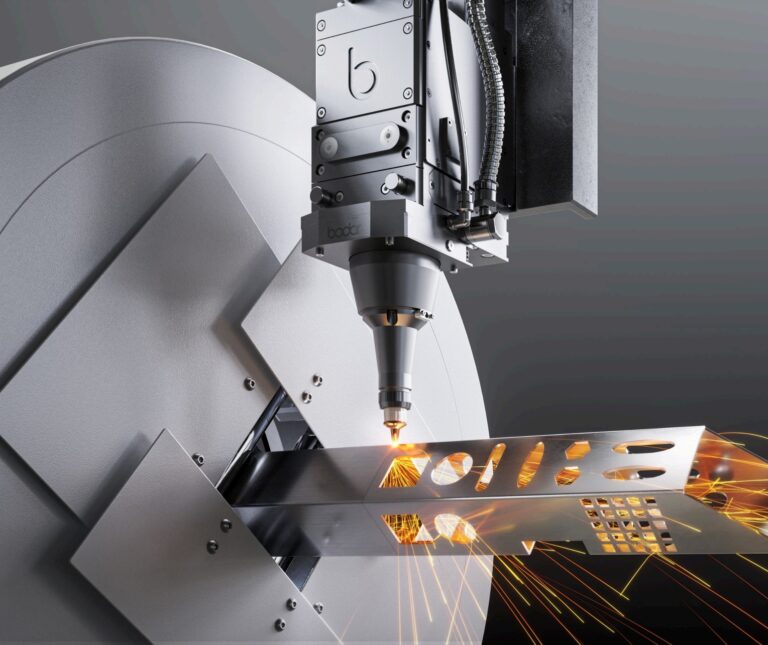
For manufacturers comparing Bodor fiber laser tube cutting machines in the UK, World Machinery supplies systems for round tube, square tube, box section, structural profiles and automated production. Compare material size, length, chuck arrangement, bevel capability and loading options, then arrange test cuts, installation, training and long-term UK support.
For a useful recommendation, include profile shape, minimum and maximum section size, wall thickness, stock length, batch quantities, drawings and any automatic loading requirement.
Range starting point
Machine selection, demonstrations and project support for tube and profile processing across the UK.
Compare cut quality, speed, joint preparation and handling against your own drawings and material.
Support for site planning, delivery, commissioning, operator training and production handover.
Planned maintenance, diagnostics, service contracts, parts support and machine relocation.
Start with the tube and profile requirement
The right tube laser depends on section type, diameter, wall thickness, stock length, finished-part length, bevels, tailing target, loading method and required output. Laser power is only one part of the specification.
A practical route for mixed round, square, rectangular and specialist profiles across varied batch sizes.
K Series · M Series 02For faster automated production, advanced support systems and optional weld-preparation cuts.
T Series · M5 Series 03For repeat production of smaller round, square and rectangular tube with automated feeding.
Q0 Pro Series 04For H-beams and larger structural profiles where multi-axis cutting and drawing integration matter.
U10 ProBodor tube laser range
Published starting prices are retained where World Machinery currently lists them. Final price, availability and specification depend on laser power, tube range, stock length, chuck configuration, loading system, bevel head, extraction, delivery and installation; request a current written quotation.
 Flexible tube and profile cutting
 A versatile tube-laser platform for mixed fabrication work, combining stable clamping, profile flexibility and optional automated material handling.
 High-speed and bevel capable
 A production-focused tube laser with rapid centring, high-speed motion, intelligent process selection and optional bevel cutting.
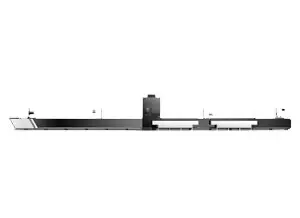 General production range
 A high-precision system for manufacturers processing a broad range of tube sizes and complex geometries with automated handling.
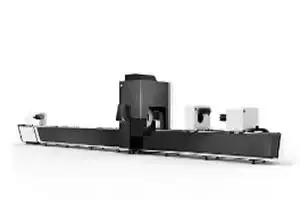 Long-length automated production
 A long-format automated system designed for higher-volume tube work, long stock and stable multi-chuck processing.
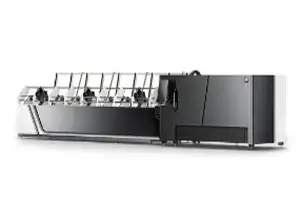 Small-diameter automatic loading
 A compact automated production system for smaller tube sizes, repeat batches and reduced manual material handling.
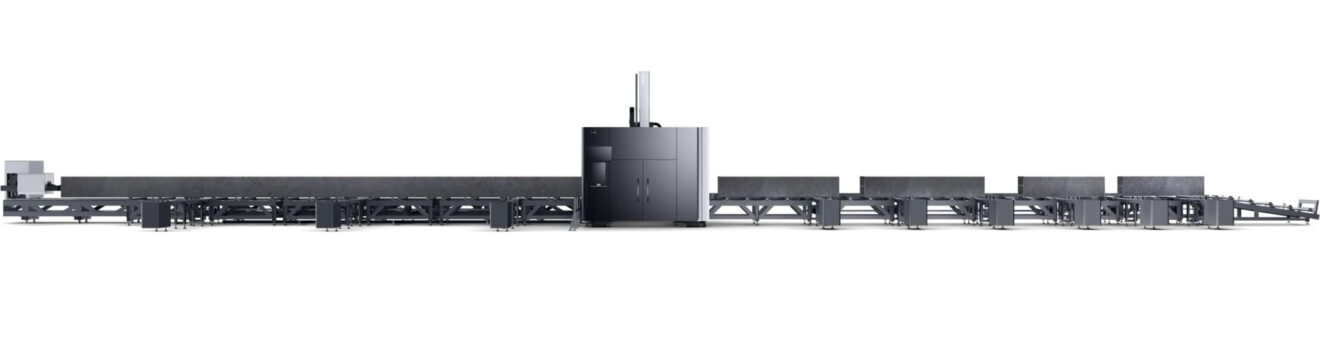 Structural steel and H-beams
 A specialist structural-steel solution for larger profiles and H-beams, combining automatic handling with multi-axis cutting.
A strong high-output comparison point
The T Series combines rapid centring, high-speed motion, intelligent process selection, combined roller support and optional automatic loading. Its optional bevel capability also helps when parts need weld preparation or more complex joint geometry.
Profiles, materials and applications
Tube-laser performance depends on profile shape, outside dimensions, wall thickness, straightness, stock length, material grade, surface condition and required edge quality. Confirm the actual cutting range and sample parts before final specification.
Typical fabrication for frames, handrails, exhaust components, agricultural equipment and process pipework.
Accurate mitres, slots, tabs and locating features for furniture, structures, machinery and general fabrication.
Profile capability varies by machine and may include oval, channel, angle and other non-standard sections.
H-beams and larger structural sections may require dedicated support, multi-axis cutting and drawing integration.
Depending on configuration, systems can process mild steel, stainless steel, aluminium and selected non-ferrous metals.
Specify the project with confidence
Share profile shapes, minimum and maximum dimensions, wall thicknesses, stock lengths and finished-part sizes.
Review chuck arrangement, supports, loading, unloading, remnant target, bevel requirements and expected output.
Use real material and drawings to assess cut quality, cycle time, joints, marking and downstream assembly.
Plan delivery access, foundations, extraction, gases, commissioning, training, service and finance.
More than the machine
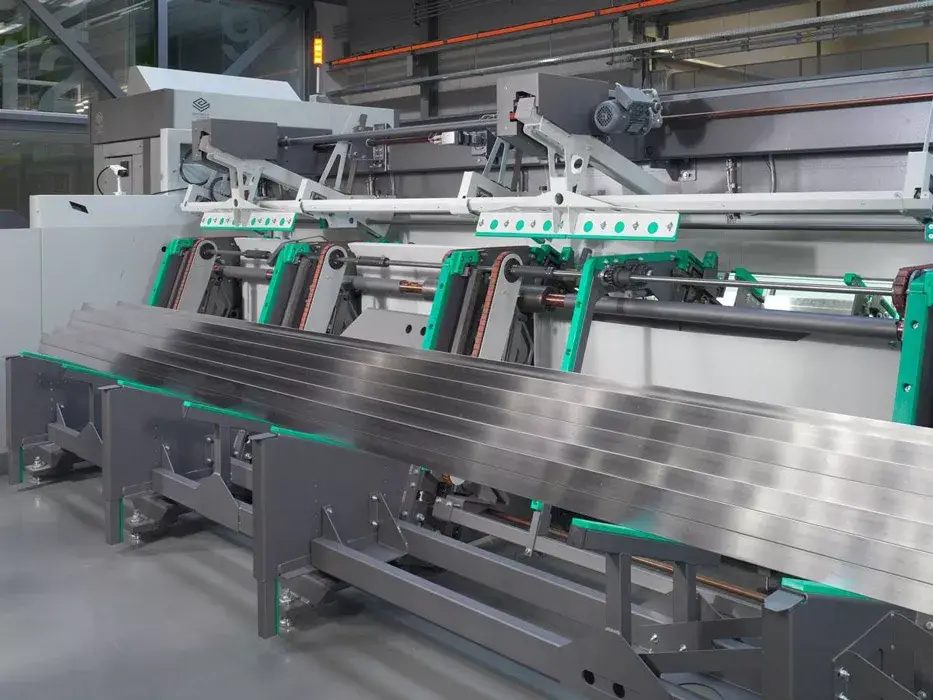
A tube-laser project can involve long material storage, loading clearance, unloading zones, extraction, gases, software, programming, downstream welding and operator training. The machine should be planned around the full production flow.
Compare machines using the profiles, drawings and joint features that matter to your production.
Coordinate site preparation, machine positioning, commissioning and operator familiarisation.
Access planned maintenance, diagnostics, contracts, parts support and relocation assistance.
Explore potential machinery-finance structures, subject to application, status and lender approval.
Tube laser buying questions
These answers are a starting point. Final machine selection should be based on actual drawings, profile sizes, wall thickness, stock length, required joints, automation and production volume.
A tube laser can cut profiles to length and add holes, slots, tabs, mitres, notches and joint-preparation features in one programmed process. Capability depends on the machine, profile shape, support arrangement and cutting head.
The K Series and M Series are useful comparison points for mixed tube and profile work. The correct model depends on minimum and maximum section size, stock length, wall thickness, batch mix, desired automation and budget.
Automatic loading is most valuable when the material mix is compatible with the loader, batches are repeatable and manual handling limits output. Floor space, bundle preparation, profile variation and unloading flow must be considered.
Selected systems, including suitable T Series configurations, can be specified with bevel cutting. The achievable angle, profile range and edge preparation should be validated against representative parts before purchase.
Many tube-laser systems can process round, square and rectangular tube, while selected machines can support oval, channel, angle or specialist profiles. The exact clamping and support range must be confirmed for each section.
Remnant length depends on chuck arrangement, cutting sequence, supports, loading method and part geometry. Provide real nesting examples so the expected material utilisation can be compared accurately.
World Machinery promotes UK delivery, installation, commissioning and training support. The written quotation should confirm the scope, site requirements, operator numbers and any additional software or programming training.
Send the team your material grade, profile dimensions, wall thickness, stock length, drawings, batch quantities and target cycle time. World Machinery can then discuss a suitable machine, demonstration or test-cut plan.
Get a tube-laser recommendation
The most useful recommendation starts with the work you need to produce. Include section shapes, dimensions, wall thickness, stock length, batch sizes, drawings, current process, automation requirement and expected timescale.
Complete the project details below and the World Machinery team can help shortlist a suitable tube or profile cutting system.