

Many UK manufacturers underestimate how complex CNC machinery financing can be. Choosing between hire purchase, finance leases, or operating leases impacts your tax benefits and cash flow. This guide breaks down UK machinery finance options, tax rules like the Annual Investment Allowance, and practical tips to secure tailored funding for your Bodor fiber laser or press brake. Talk to our finance team today to explore your best options and get a clear ROI model. For more insights, check out this article on equipment financing options for manufacturing businesses.
Understanding UK Machinery Finance Options
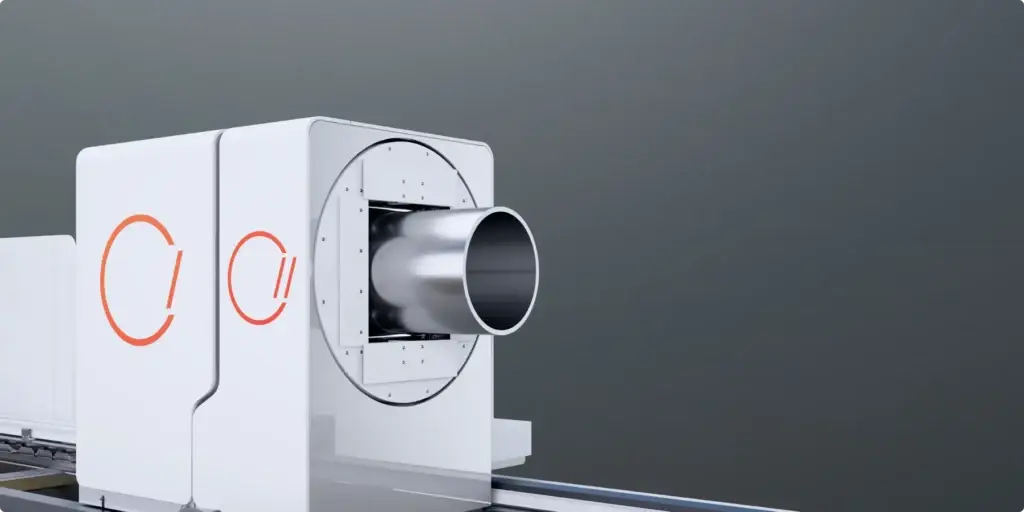
Navigating machinery finance options can feel overwhelming, but understanding the basics empowers you to make informed decisions. Let’s explore the key choices for financing your CNC machinery.
Hire Purchase CNC
Hire purchase is a popular option for many businesses. It allows you to spread the cost of equipment over time. You pay an initial deposit, followed by regular installments. Once all payments are made, ownership transfers to you. This method can be beneficial for managing cash flow and is often used for financing high-value equipment like CNC machines.
Consider this scenario: You need a Bodor fiber laser costing £100,000. With a hire purchase agreement, you might pay a 10% deposit upfront, then spread the remaining £90,000 over a five-year period. This can make acquiring essential equipment more manageable without a large upfront cost.
Finance Lease vs Operating Lease
Choosing between a finance lease and an operating lease depends on your business needs. A finance lease involves paying for most of the asset’s value over its life. You have the option to purchase at the end. This can be cost-effective if you plan to use the equipment long-term.
Conversely, an operating lease is similar to renting. You pay to use the equipment for a set period, typically returning it at the end. This option is ideal if you frequently upgrade machinery or need flexibility. Both leases provide tax benefits, with payments often deductible as business expenses.
CNC Leasing UK
CNC leasing offers flexibility and can conserve working capital. It’s suitable for businesses that need to upgrade technology regularly. Leasing allows you to use the latest CNC machinery without heavy financial commitments. It also helps maintain a competitive edge with access to cutting-edge technology.
For example, if your business needs to stay at the forefront of manufacturing, leasing ensures you always have the most advanced equipment.
Key Tax Considerations
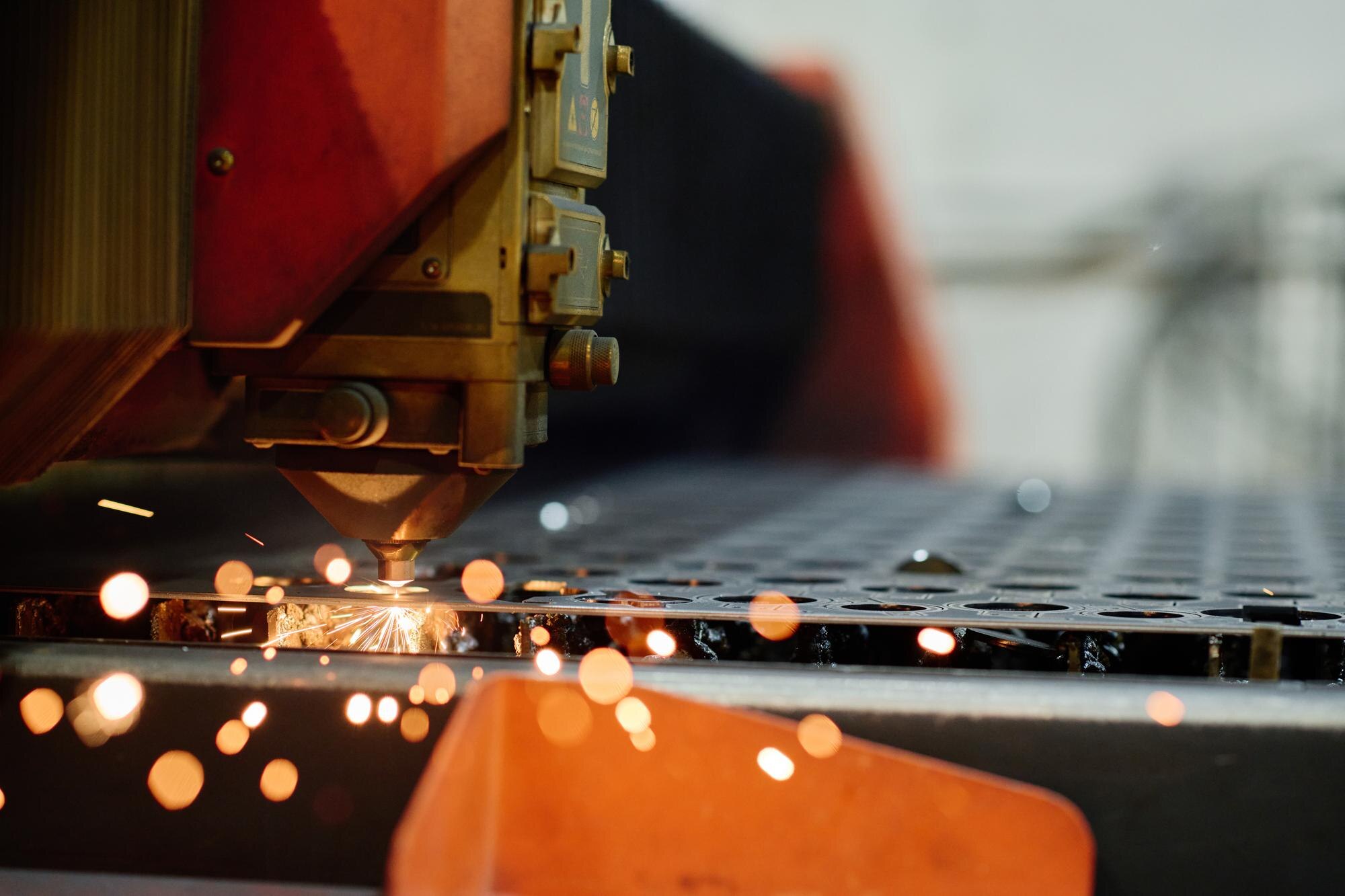
Understanding tax implications can significantly affect your finance decision. Let’s break down the main tax considerations when financing machinery in the UK.
Capital Allowances UK
Capital allowances can reduce tax liability by allowing you to deduct the cost of business assets from profits. This includes machinery. The amount you can claim depends on the type of allowance and equipment. For instance, the Annual Investment Allowance (AIA) lets you deduct 100% of the cost of qualifying new and second-hand plant and machinery, up to a maximum limit.
Annual Investment Allowance AIA
The AIA is a valuable tool for businesses investing in machinery. It allows you to deduct the full cost of qualifying equipment from your taxable profits. In recent years, the AIA limit has fluctuated, so it’s crucial to stay updated. This can offer significant savings and improve cash flow for businesses purchasing new machinery.
VAT on Hire Purchase
When financing machinery through hire purchase, VAT is typically due upfront on the full purchase price. While this can impact cash flow, businesses can usually reclaim VAT on their next VAT return, easing the burden. Understanding this process helps in planning your financial strategy effectively.
Best Practices for Machinery Financing
Implementing best practices ensures you make the most of your machinery investment. Here are some tips to consider.
ROI Payback CNC
Calculating the return on investment (ROI) for your CNC machinery is crucial. This involves estimating the time it will take for the equipment to pay for itself through increased efficiency and productivity. Knowing your ROI helps in making informed purchase decisions.
Bundle Tooling and Software
Bundling tooling and software with your machinery purchase can offer significant savings. This approach ensures compatibility and can streamline operations. It’s also a practical way to negotiate better deals with suppliers.
Fixed-Rate Machinery Finance
Opting for fixed-rate finance provides predictability in repayments. This can be beneficial in budgeting and avoiding fluctuations in interest rates. Fixed payments ensure stability, making it easier to manage cash flow.
In conclusion, understanding your financing options and tax implications is vital for making informed machinery investments. By considering these elements, you can optimize your financial strategy and enhance your business operations.