
Buying used metalworking machinery in the UK requires more than just a quick glance. Missing key checks like spindle runout or ballscrew wear can cost you time and money. This checklist covers crucial inspections—like press brake accuracy, fiber laser hours, and control system health—to help you choose machines that perform reliably. Keep reading to see what you must check before making your next used CNC machines purchase. Book a no‑obligation inspection or demo with our engineers today.
Comprehensive Inspection Essentials
Examining used machinery involves a thorough assessment of critical components. It’s crucial to start with the machine’s core aspects to ensure smooth operation.
CNC Backlash and Spindle Runout
Begin by checking the CNC backlash. This involves tightening up any loose motions in your machine’s components. A simple test: move the machine to a specific position and return to check for any shifts. An error here can impact precision, causing misaligned cuts.
Next, examine the spindle runout check. This is vital for maintaining accurate cuts. Use a dial indicator to measure the spindle’s radial and axial motion. If it exceeds 0.02 mm, you might want to reconsider. This measure ensures your machine runs smoothly, preventing costly errors.
Ballscrew Wear and Axis Repeatability
Ballscrew wear assessment is critical. A worn ballscrew can lead to inaccuracies. Check for looseness by feeling for any play in the axis. If you notice more than a minimal shift, it may need replacement.
Axis repeatability is another key factor. Position the machine at a specific point, then run it back. If it doesn’t return precisely, adjustments or replacements may be necessary. This ensures the machine can consistently perform to your expectations.
Hydraulics and Lubrication Systems
Hydraulics are the lifeblood of many machines. Inspect the system for leaks or pressure drops. A stable hydraulic system maintains consistent performance. If you spot any leaks, plan for repairs to avoid future breakdowns.
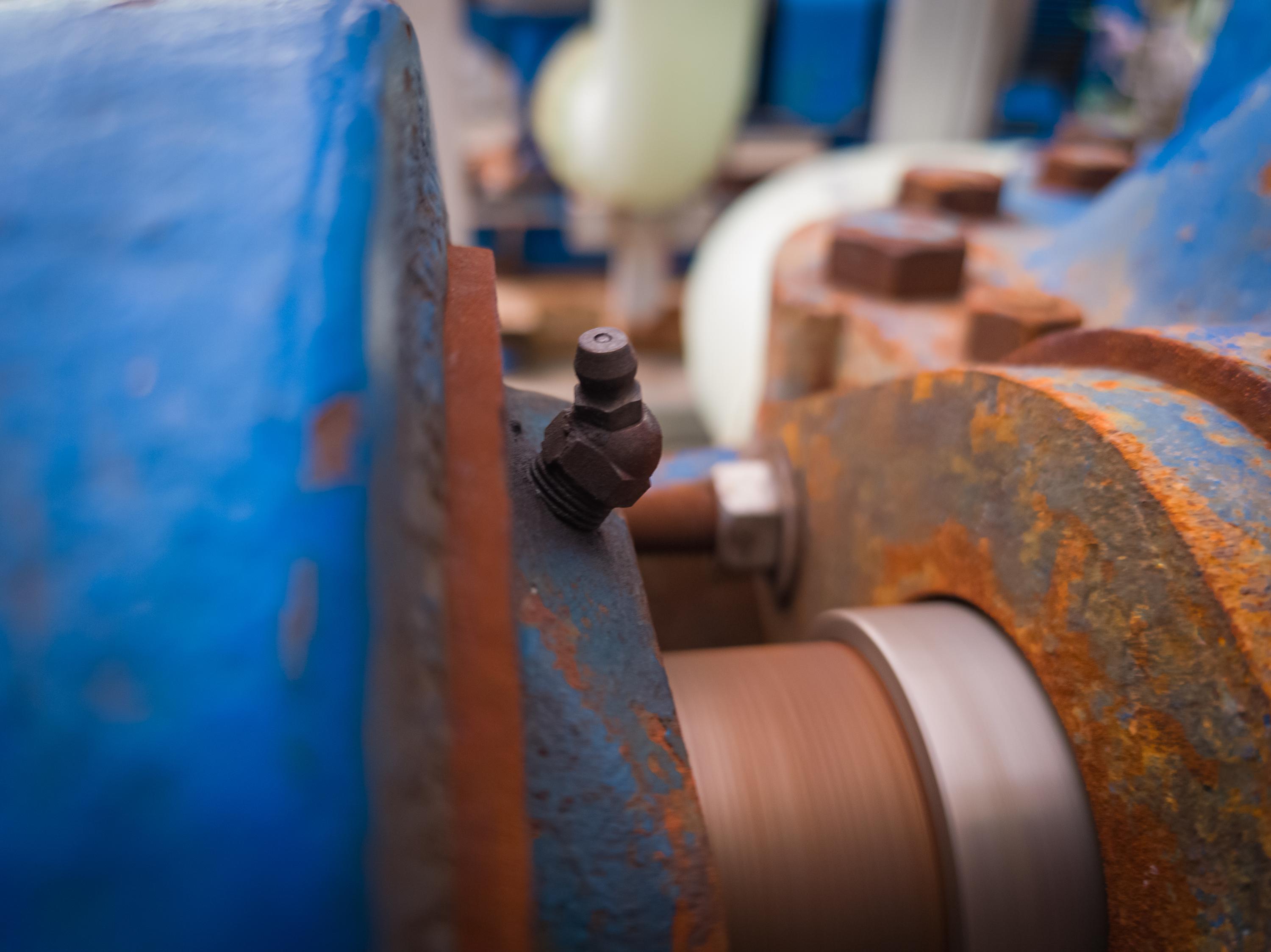
Equally important is the lubrication system. Check the oil levels and look for any signs of contamination. Well-lubricated machines run efficiently, reducing wear and extending lifespan. A neglected system can lead to costly damage over time.
Evaluating Laser and Press Brake Performance
Understanding the condition of lasers and press brakes can make or break your decision. Checking these components ensures you’re investing wisely.
Used Fiber Laser and Optics Condition
Start with the used fiber laser inspection. Look at the laser source hours, specifically focusing on IPG and Raycus hours. If the machine has more than 50,000 hours, its lifespan might be limited.
Inspect the optics and nozzle condition for clarity and cleanliness. Cloudy or dirty optics can reduce performance, leading to poor cuts. Clean optics ensure efficient work, saving time and enhancing output.
Press Brake Inspection Checklist
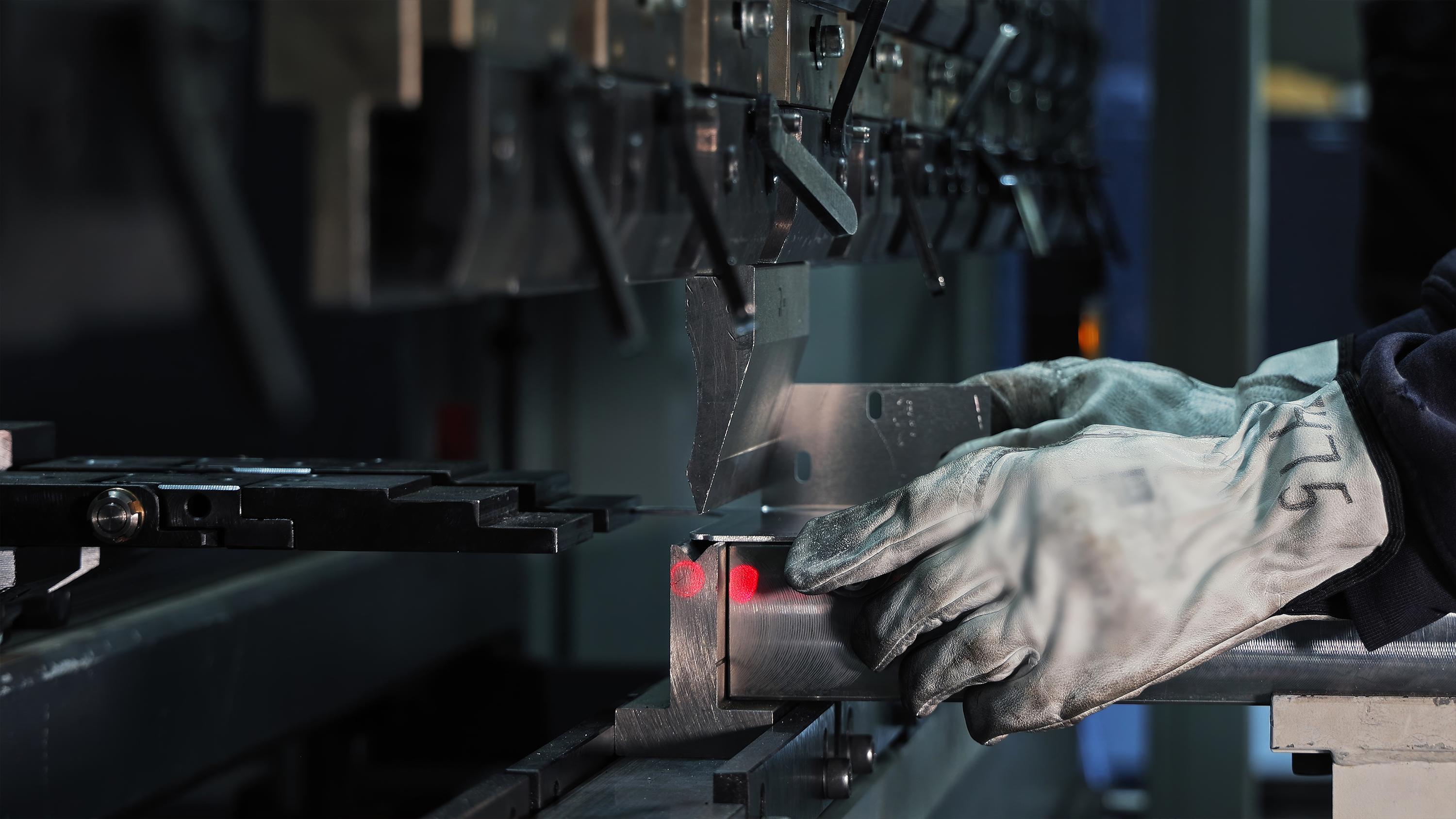
A thorough press brake inspection checklist is essential. Begin with backgauge accuracy; misalignment here can lead to incorrect bends. Use a gauge to verify alignment, ensuring precision.
Check the ram parallelism and crowning. These features affect bend consistency. A well-aligned press brake produces cleaner, more accurate bends. If any issues arise, adjustments will safeguard your product quality.
Chiller and Fume Extraction Checks
Chillers maintain the machine’s temperature. Evaluate the chiller performance check, ensuring it keeps the machine cool without fluctuations. A malfunctioning chiller can lead to overheating and damage.
Finally, examine the fume extraction for lasers. A proper system protects both your equipment and health by removing harmful fumes. If the system is weak, consider upgrading to maintain safety and compliance.
Control Systems and Compliance

Control systems dictate the machine’s efficiency, while compliance ensures safety. These elements are crucial for seamless operation.
Fanuc and Siemens Control Health
Assess the health of Fanuc and Siemens control systems. Functionality here is vital for precision. Run diagnostic tests to check for errors or outdated software. Up-to-date systems ensure smooth operation and accuracy.
CE/UKCA and PUWER Compliance
Compliance with standards like CE/UKCA and PUWER risk assessment is non-negotiable. Ensure the machine meets these standards to avoid legal issues. Regular inspections and documentation can help maintain compliance, providing peace of mind.
Service History and Factory Acceptance
Review the machine’s service history and logs. A well-documented history indicates regular maintenance, reducing potential risks. Look for a consistent service record, which suggests a well-maintained machine.
Finally, perform a factory acceptance test. This involves running the machine through typical operations to ensure it meets your expectations. A thorough test is your last line of defense against unexpected issues.
For further insights into buying used machinery, visit Aaron Equipment’s guide or check out tips from The Equipment Hub.