
What to Inspect Before Buying Used Metalworking Machinery
Buying used metalworking machinery in the UK can be a risky move without the right checks. Hidden issues like spindle runout or hydraulic leaks can stall your production and spike costs. This guide breaks down the critical points you must inspect—from CNC inspection checklists to laser source hours—so you know what to look for before signing on the dotted line. Book a pre-purchase inspection with our engineers today.
Key Checks for Used CNC Machines
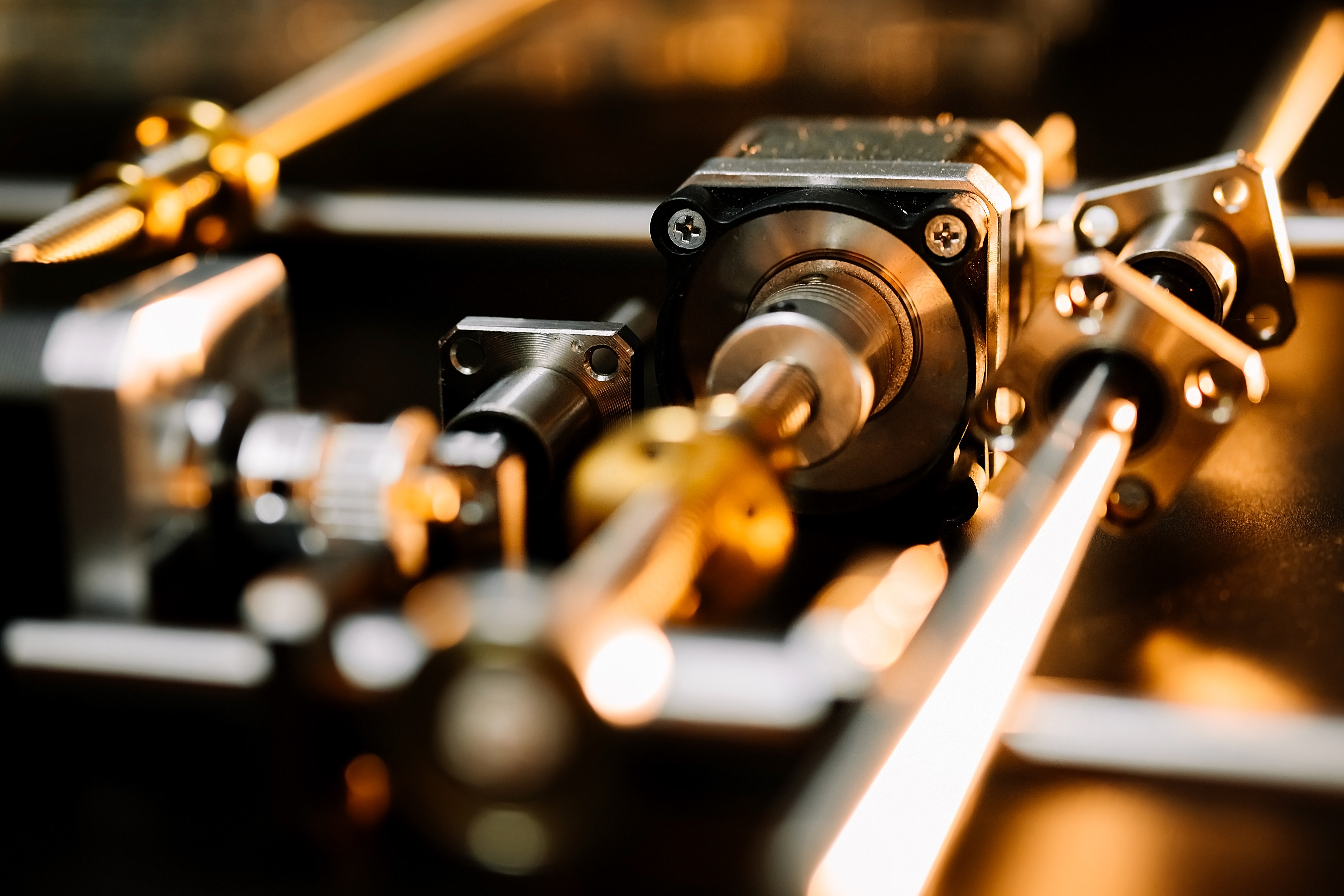
When considering used CNC machines, knowing what to examine is crucial. Identifying potential issues early can prevent costly repairs and downtime.
Spindle Runout and Axis Backlash
Start with the spindle, the heart of any CNC machine. Spindle runout can lead to inaccurate cuts and wasted materials. Check it by measuring tool movement while the spindle is stationary. Look for any deviation outside the normal range.
Next, assess axis backlash. This refers to the gap between the drive and the mechanism it moves. Too much backlash can result in positioning errors. Move the axis back and forth slightly to feel for any looseness. This straightforward check can save you from future headaches.
Ball Screw Wear and Linear Guide Condition
Ball screws are vital for precise movement. Over time, they wear out. Feel for smoothness in the movement. Unusual noise or vibration is a red flag. For linear guides, inspect them visually and feel for any rough patches as you slide them. Both issues can affect accuracy and efficiency.
Don’t underestimate the importance of linear guide condition. Worn guides lead to uneven cuts and increased wear on other components. Regular inspections keep performance at its best.
Service History Logs and Maintenance
Always request service history logs. These provide insight into past issues and how they were resolved. Consistent maintenance records signal a machine that has been well cared for. Ask for detailed logs and take the time to review them.
Preventative maintenance is key. Machines with regular check-ups are less likely to have hidden problems. If logs are missing, consider it a potential risk when deciding on your purchase.
Evaluating Used Fiber Lasers
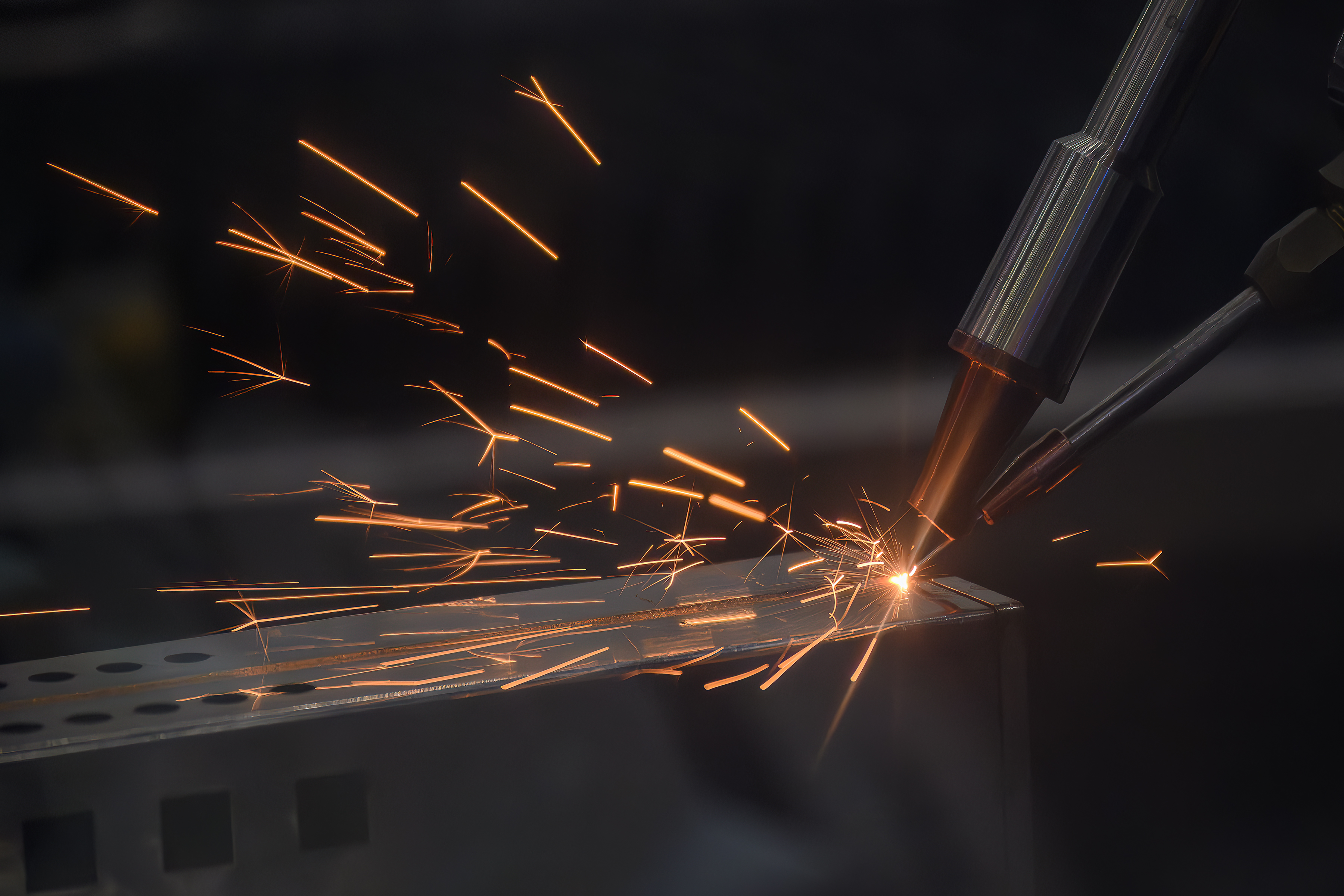
Transitioning to fiber lasers, a detailed inspection can save you significant trouble down the line. Let’s look at what you need to focus on.
Bodor Used Laser and Laser Source Hours
Check the laser source hours first. This tells you how much the laser has been used. A high number might mean the laser is nearing the end of its life. Compare the hours with the expected lifespan from the manufacturer.
With Bodor used lasers, these details are particularly crucial. They ensure the laser can continue performing well without immediate need for replacement. Keep an eye on this metric to avoid buying a laser that requires costly replacements soon after purchase.
Cutting Head Condition and Chiller Performance
Inspect the cutting head closely. Any signs of wear or damage can affect the laser’s precision. A damaged cutting head might mean repair costs down the line. Ensure it is in good condition to maintain clean, accurate cuts.
Chiller performance is also key. Lasers generate heat, and a malfunctioning chiller can lead to overheating. Verify that the chiller is functioning properly to avoid operational disruptions. These checks help maintain laser performance and extend machine life.
Controller Software Version and Test Cuts
Ensuring the controller software is up to date is essential. Outdated software can limit functionality and lead to errors. Request the current version and verify it against the latest available updates.
Performing test cuts reveals much about a machine’s condition. Check cut quality for consistency and precision. Such tests are invaluable in highlighting any potential issues before purchase. Test cuts provide real-world insight into laser performance.
Press Brake Inspection Essentials
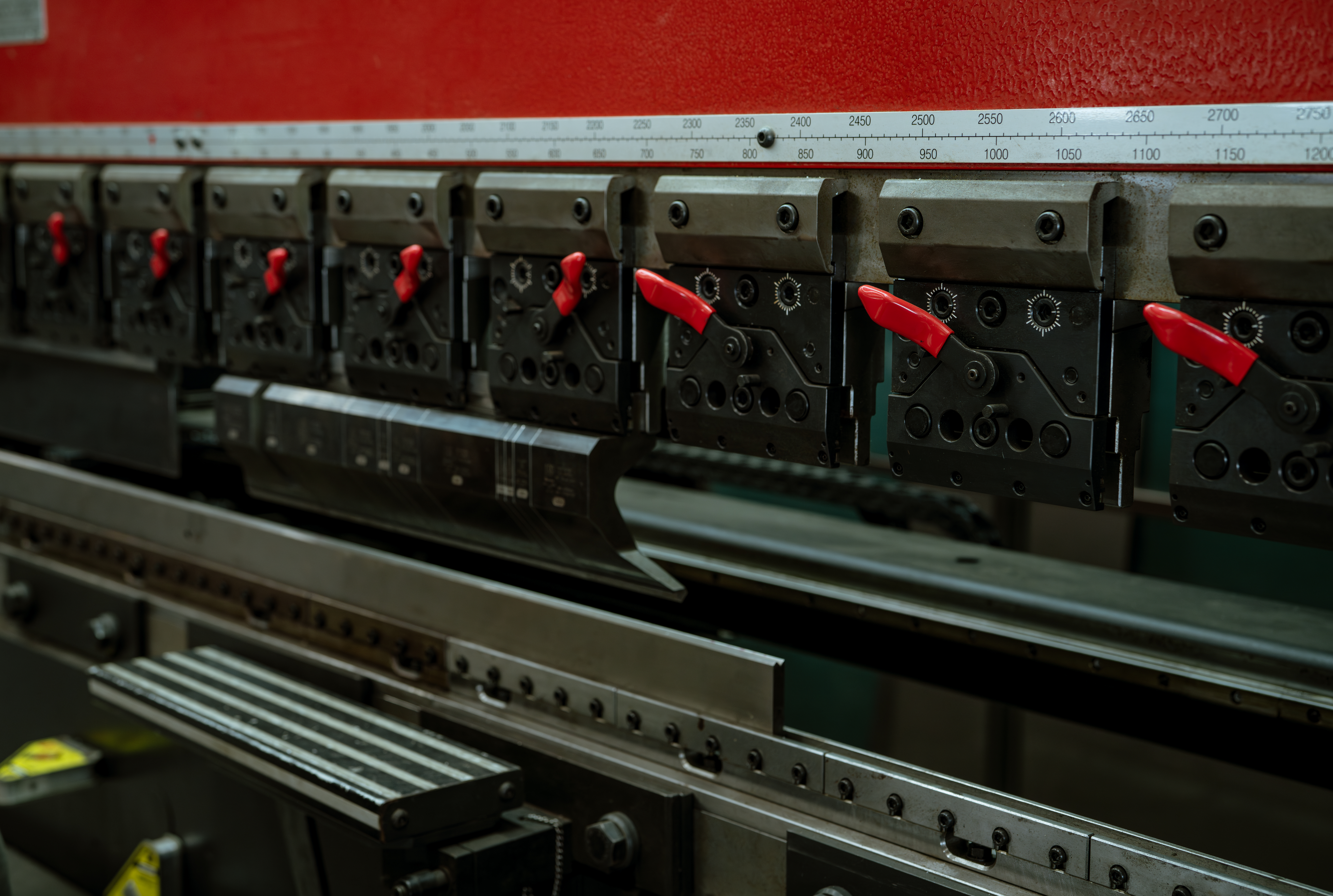
Press brakes require careful examination to ensure they perform well. Proper inspection can prevent costly repairs or operational setbacks.
Hydraulic Leaks and Press Brake Crowning
Begin by checking for hydraulic leaks. Leaks can cause pressure loss and affect bending accuracy. Inspect all connections and hoses visually. Proper functioning hydraulics are crucial for consistent performance.
Press brake crowning is another important aspect. It ensures even bending across the entire length of the brake. Check for any misalignment or wear. Proper crowning is vital for achieving uniform bends and avoiding material waste.
Ram Alignment and Bend Tests
Ram alignment affects bending precision. Misalignment can lead to uneven bends and flawed products. Use a straightedge to check alignment. Small deviations can result in significant errors over time.
Perform bend tests on various materials. These tests give insights into the brake’s accuracy and reliability. Consistent performance in bend tests indicates a well-maintained machine. They are essential in assessing a press brake’s capability.
Vibration and Noise Assessment
Finally, assess for unusual vibrations or noises during operation. These can indicate mechanical issues or impending failures. Listen carefully and feel for vibrations while the machine is running. Addressing these early can prevent more serious problems.
By examining these key areas, you ensure you purchase a machine that delivers reliable, precise performance. Regular assessments and maintenance can extend the life of your equipment. Stay informed and proactive in your machinery inspections.