
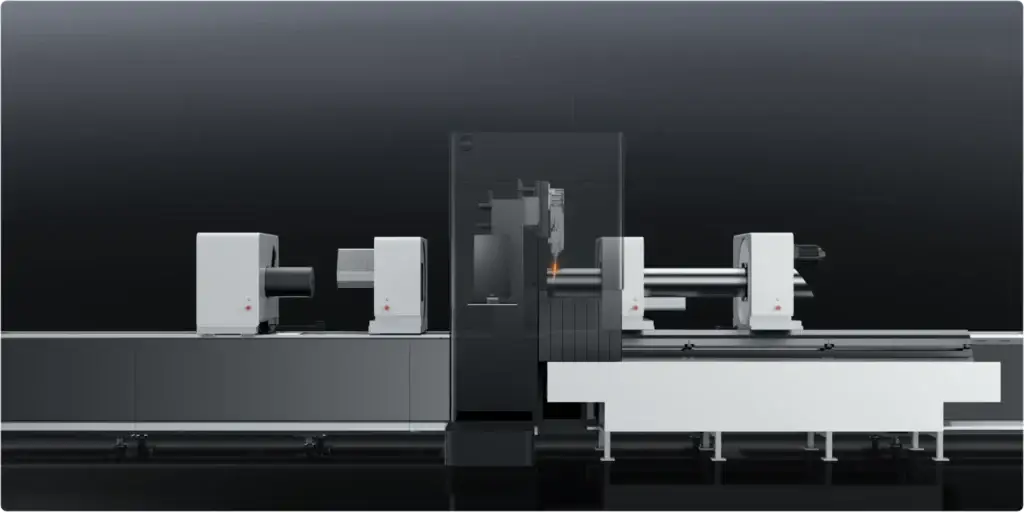
What to Inspect Before Buying Used Metalworking Machinery
Buying used metalworking machinery can save money—but only if you know what to check. Skipping critical inspections like the CNC accuracy test or ballbar test risks costly downtime later. This guide covers the machine inspection checklist you need before purchasing used CNC machines UK, fiber lasers, or press brakes. Read on to protect your investment and ensure smooth operation with World Machinery Shropshire’s expert support.
Key Inspections for Used Machinery
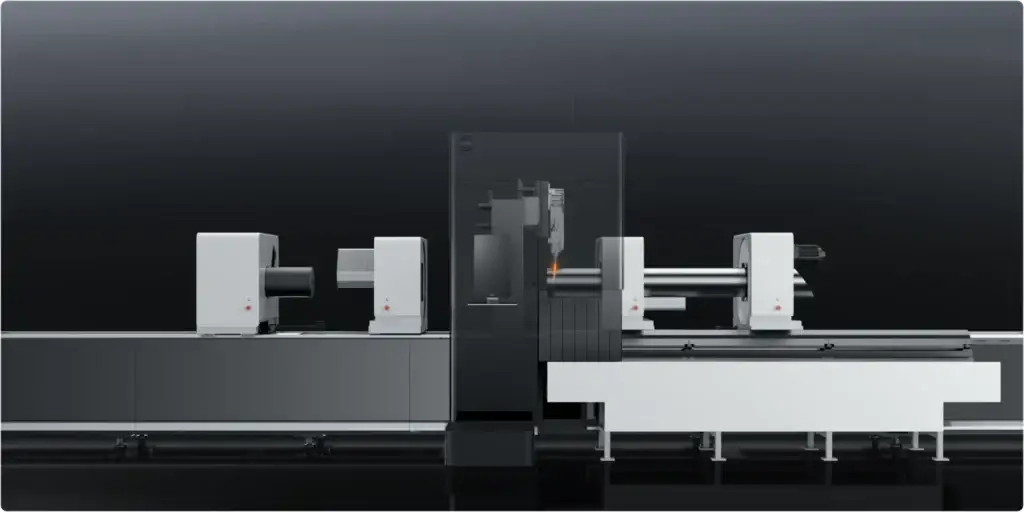
When considering the purchase of used metalworking machinery, a thorough inspection is crucial. This ensures you avoid potential pitfalls and secure a reliable machine.
Machine Inspection Checklist Essentials
Your first step is developing a solid inspection checklist. This includes checking the machine’s overall condition. Look for signs of excessive wear, rust, or damage. Inspect moving parts, as these are prone to wear over time. Ensure all components are intact and functional. Check the machine’s service history if available. This can give insights into past issues and how they were resolved. A well-documented history often indicates proper maintenance. Don’t overlook the machine’s operating hours. Machines with high usage may require more frequent servicing.
CNC Accuracy Test and Ballbar Test
A CNC accuracy test is vital to confirm precision. This test checks the machine’s ability to follow programmed paths accurately. The ballbar test complements this by measuring geometric accuracy. It reveals issues with the machine’s positioning and software. Conducting these tests ensures that the machine meets production standards. It also highlights any potential inaccuracies that could affect your output. If you’re unfamiliar with these tests, consider hiring a professional to assist. This ensures accuracy and peace of mind in your purchase decision.
Backlash Check and Servo Drives
Backlash can significantly impact machining precision. It refers to the play between mechanical parts, affecting accuracy. Testing for backlash involves checking the machine’s movements for delays or jumps. Adjustments may be necessary to minimize this issue. Servo drives are another critical component. They control the machine’s movements and speed. Inspect them for any signs of wear or malfunction. A faulty servo drive can lead to inconsistent performance and increased downtime.
Laser and Press Brake Considerations
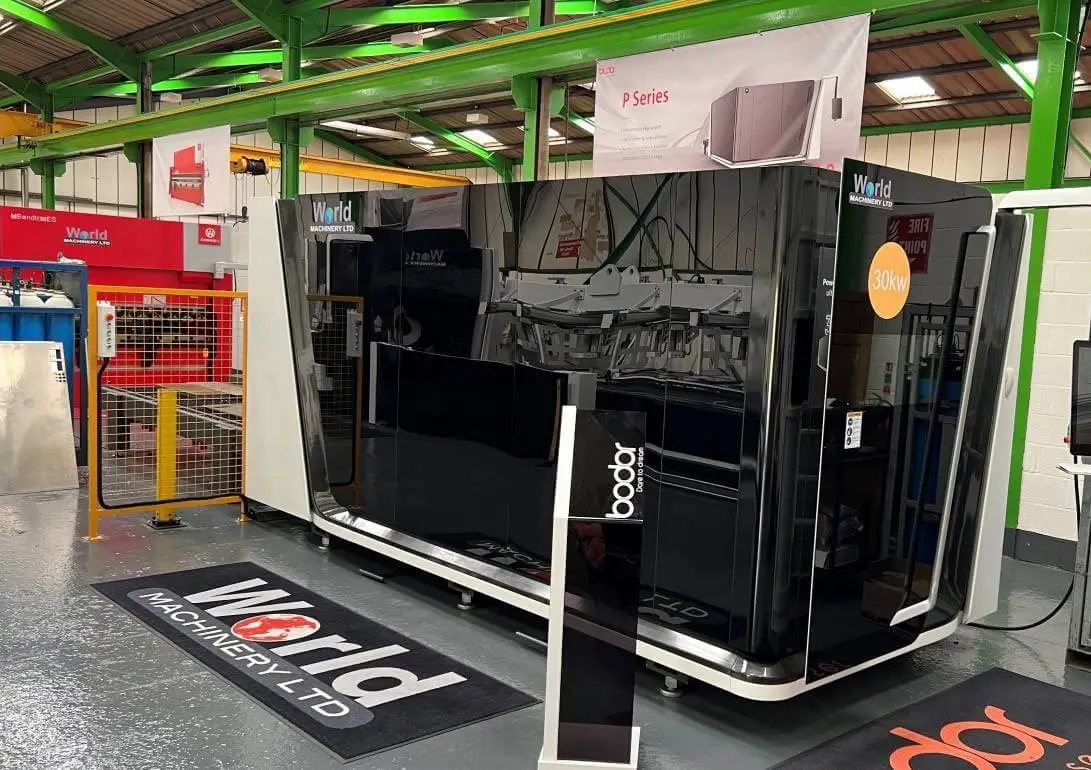
Laser and press brake machines require specific attention. Their unique components and functions demand additional inspection steps.
Used Fiber Laser Hours and Chiller
The hours logged on a fiber laser are a key indicator of its lifespan. Excessive hours suggest wear on the laser source. Check the chiller system as well. It maintains the laser’s temperature and ensures consistent performance. A malfunctioning chiller can lead to overheating, damaging the laser. Regular maintenance records can offer insights into the laser’s condition. If unavailable, proceed with caution to avoid costly repairs.
Optics and Beam Alignment Check
Laser optics are crucial for optimal performance. Inspect lenses and mirrors for damage or dirt. Clean optics ensure precise cutting and reduce power loss. Beam alignment is another critical factor. Misalignment can affect cutting quality and efficiency. Check the beam’s path and make necessary adjustments. Proper alignment ensures consistent, high-quality cuts.
Press Brake Ram Parallelism and Leaks
Check the press brake’s ram for parallelism. Misalignment can result in uneven bends and compromised quality. Test the ram’s movement, ensuring it operates smoothly and evenly. Hydraulic leaks are another concern. They can lead to performance issues and safety hazards. Inspect seals and hoses for signs of wear or damage. Address any leaks promptly to maintain operational safety.
Ensuring Compliance and Support
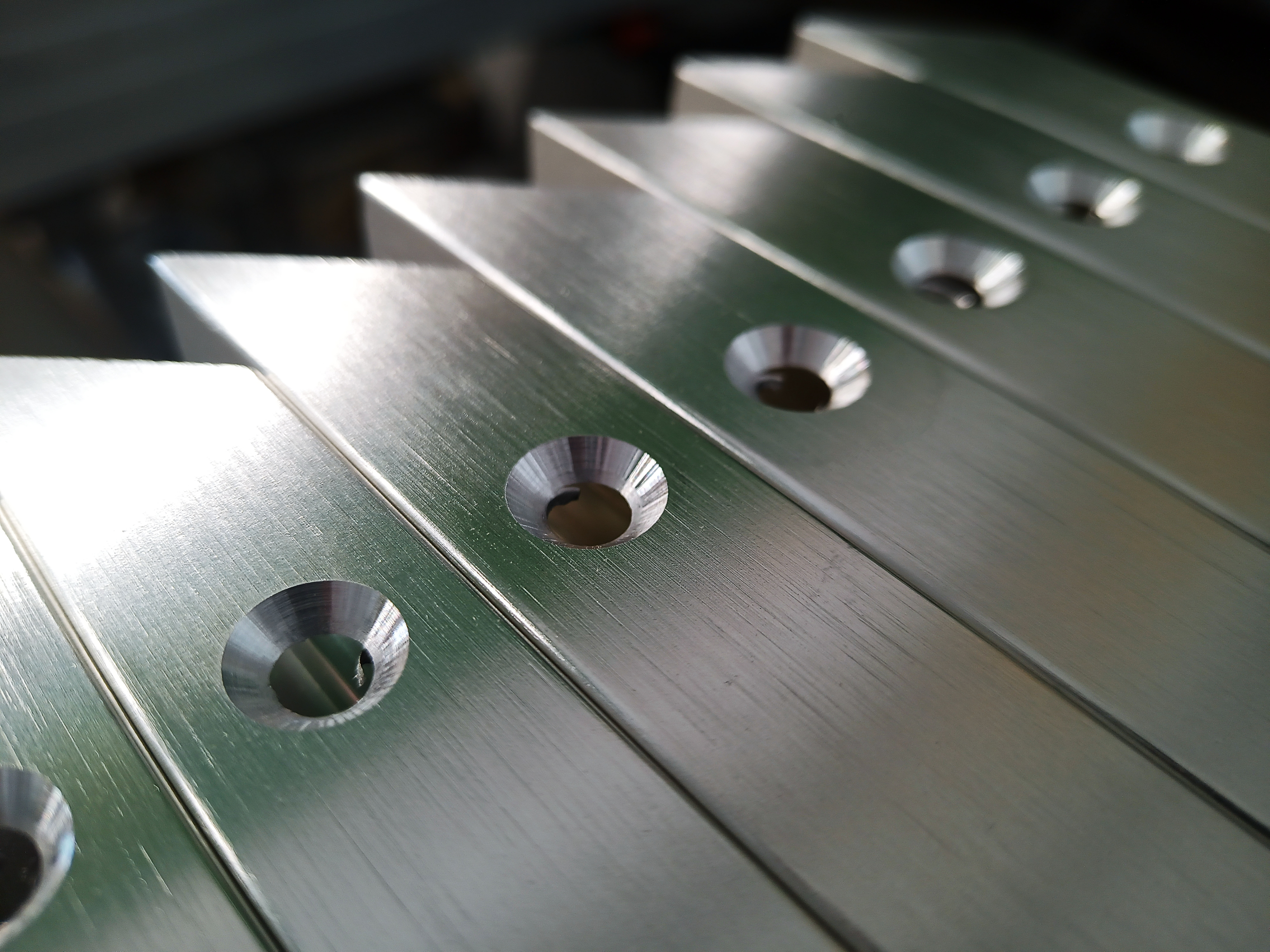
Compliance and support are vital for long-term success. Ensure that your used machine meets all necessary regulations.
CE Compliance UK and Electrical Supply
CE compliance ensures your machine meets UK safety standards. Verify that the machine carries a CE mark. This confirms it adheres to necessary regulations. The machine’s electrical supply requirements are equally important. Ensure your facility can support the machine’s power needs. This prevents operational issues and potential damage.
Air Supply Requirements and After-Sales Support
Machines like CNC require specific air supply conditions. Check for adequate pressure and flow rates. This ensures optimal performance and longevity. After-sales support is crucial for ongoing maintenance. Choose a supplier like World Machinery Shropshire that offers comprehensive support and services. This ensures help is available when needed, minimizing downtime.
Financing and World Machinery Services
Financing options make purchasing used machinery more accessible. Explore flexible agreements that fit your budget. This allows you to invest in high-quality machinery without financial strain. World Machinery offers various financing solutions tailored to your needs. With their expertise and support, you can secure reliable machinery with confidence. Trust in their proven track record for a seamless purchasing experience.