

Most UK manufacturers lose hours each week to laser cutting delays and costly downtime. Choosing the right fiber laser cutter can stop that. We break down what matters—from laser source options to bed size and support—so you get the best fit for your metal fabrication needs. Keep reading for a clear checklist that helps you invest smart with Bodor fiber lasers. Learn more.
Understanding Fiber Laser Cutters
Fiber laser cutters are pivotal in metal fabrication. They offer precision, speed, and efficiency. Let’s explore the essential features and benefits you should consider.
Key Features and Benefits
Fiber laser cutters shine in their precision and versatility. High-speed cutting reduces production time and boosts efficiency. The IPG/MAX laser source ensures reliable performance and energy efficiency. A laser automation system enhances productivity by minimizing manual intervention. These machines also support laser fume extraction to maintain a safe working environment.
Popular Models in the UK
In the UK, the Bodor series stands out. Models like the Bodor I-Series and C-Series cater to diverse fabrication needs. They offer robust performance and are equipped with laser nesting software to optimize material usage. These machines are favorites among UK manufacturers for their reliability and cutting precision.
Common Applications in Metal Fabrication
Fiber laser cutters are invaluable in various sectors. They handle sheet metal laser cutting with ease, making them ideal for automotive, aerospace, and industrial projects. Whether cutting thin aluminum sheets or thick steel plates, these machines deliver consistent results.
Evaluating Purchase Factors
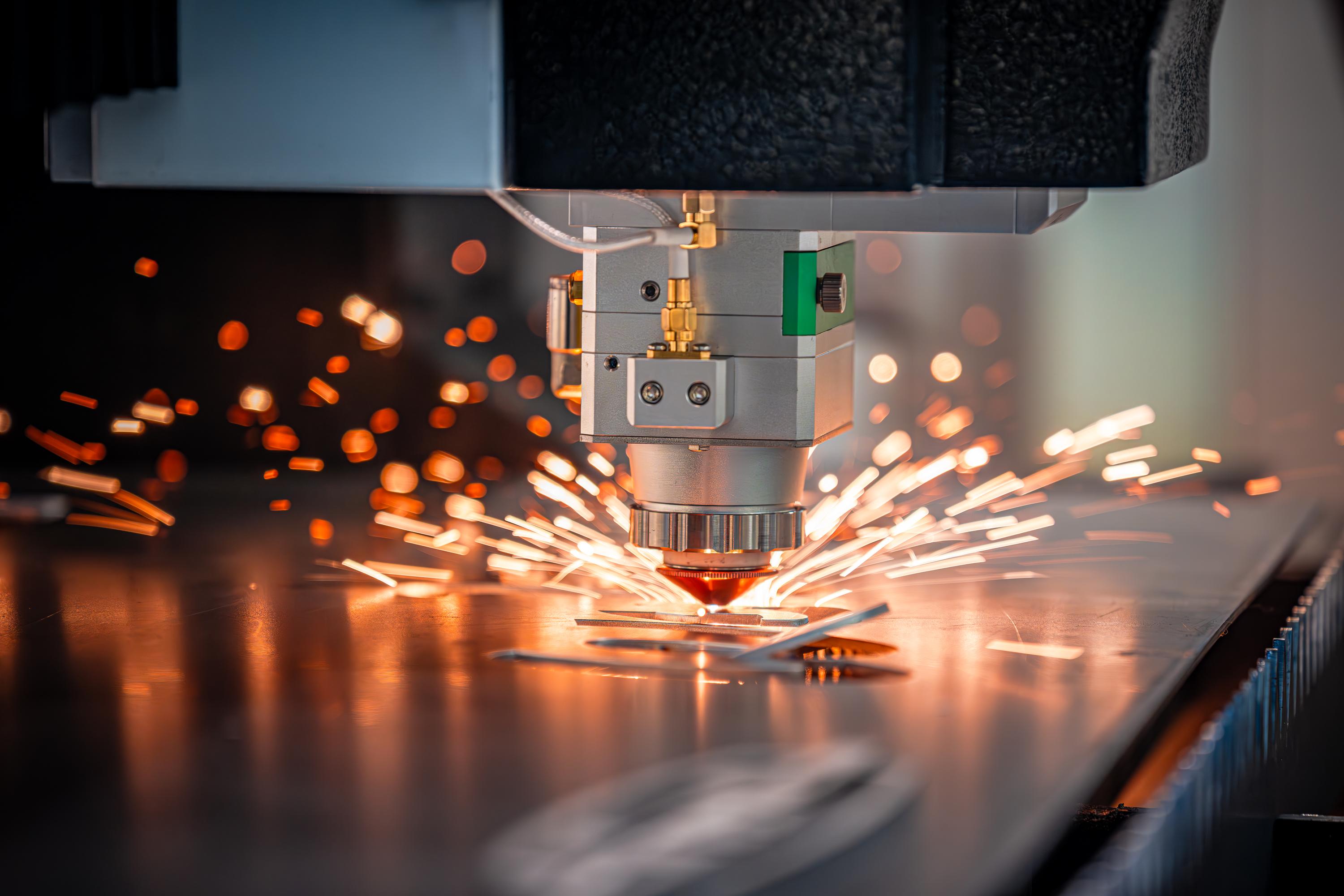
Choosing the right fiber laser cutter involves assessing key purchase factors.
Laser Cutter Bed Sizes and Options
The size of the laser cutter bed is crucial. Consider your typical workpiece dimensions. Options like the laser cutting bed size 3×1.5m are versatile and accommodate a range of materials. Larger beds allow for cutting bigger sheets without repositioning, saving time and reducing errors.
Automation and Software Integration
Automation is a game-changer. Laser cutters with advanced automation and software integration streamline operations. Systems like press brake integration can further enhance productivity, ensuring seamless transitions between cutting and bending processes.
Assist Gas and Cutting Speed Considerations
Assist gases, such as nitrogen, oxygen, and air, influence cutting quality and speed. Selecting the right gas can enhance cutting efficiency and edge quality. Understanding the role of these gases helps you make informed decisions for optimal performance.
Making the Right Investment
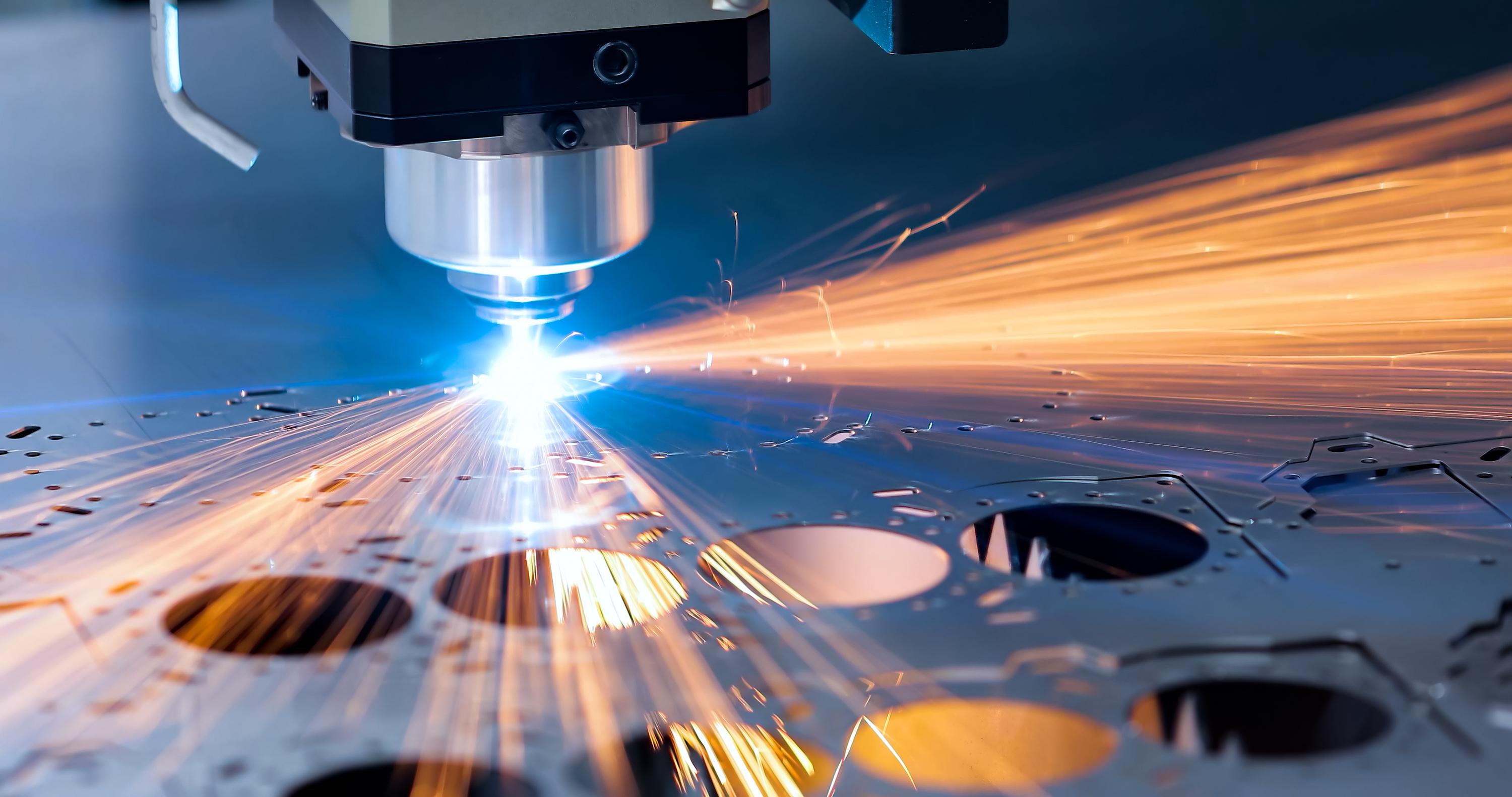
Investing in a fiber laser cutter requires a clear understanding of costs and benefits.
Calculating the TCO of Fiber Lasers
Evaluating the TCO of fiber lasers is essential. Consider energy consumption, maintenance, and potential downtime. A detailed cost analysis helps in understanding the long-term benefits and savings, ensuring your investment is sound.
Finance and Trade-in Options
Financial flexibility is vital. Laser cutter finance UK options make it easier to acquire high-quality machines. Trade-in programs can reduce initial costs, making upgrades more accessible for businesses aiming to enhance their capabilities.
UK-Based Service and Support
Local support is invaluable. UK-based service ensures quick response times and reliable maintenance. This support, combined with robust after-sales services, keeps your operations running smoothly and minimizes downtime.
By considering these factors, you can make a smart investment in a fiber laser cutter, tailored to your needs and ensuring long-term success.