
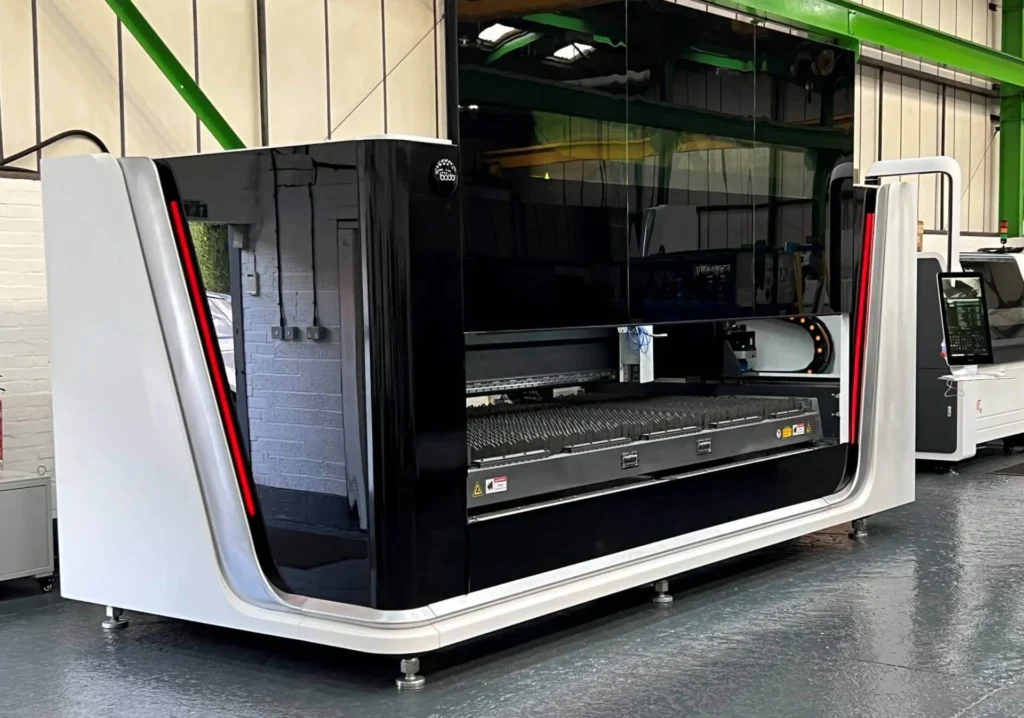
Most CNC machinery buyers in the UK face costly mistakes when choosing specs. You might struggle with unclear laser power needs or miss key details on press brakes and automation integration. This CNC specification guide cuts through the noise, helping you select fit-for-purpose machines that boost ROI and reduce downtime. Request our free checklist and book a Bodor laser demo to get tailored advice from World Machinery today.
Understanding CNC Specifications
Selecting the right CNC machinery begins with understanding essential terms and features. This section will guide you through the key components and considerations.
Key CNC Machinery UK Terms
When choosing CNC machines, you need to know the terms that matter. Laser power determines cutting capacity. For instance, selecting between 3kW, 6kW, or 12kW options affects what materials you can work with. Positional accuracy is crucial for precision, often measured in microns. This feature assures that your cuts and bends are precise, reducing errors. MTBF (Mean Time Between Failures) and uptime are reliability indicators. They show how long a machine can run before it needs maintenance, crucial for minimizing downtime.
CNC Specification Guide Essentials
The essentials of CNC specifications include cutting speed, accuracy, and durability. Cutting speed impacts productivity. A faster machine can complete more work in less time, but it must balance with accuracy. The accuracy specification ensures consistent results, vital for maintaining quality. Durability is about the machine’s build and longevity. A robust machine withstands heavy use without frequent breakdowns. These specifications guide you to machines that fit your manufacturing needs.
Comparing CNC Features and Benefits
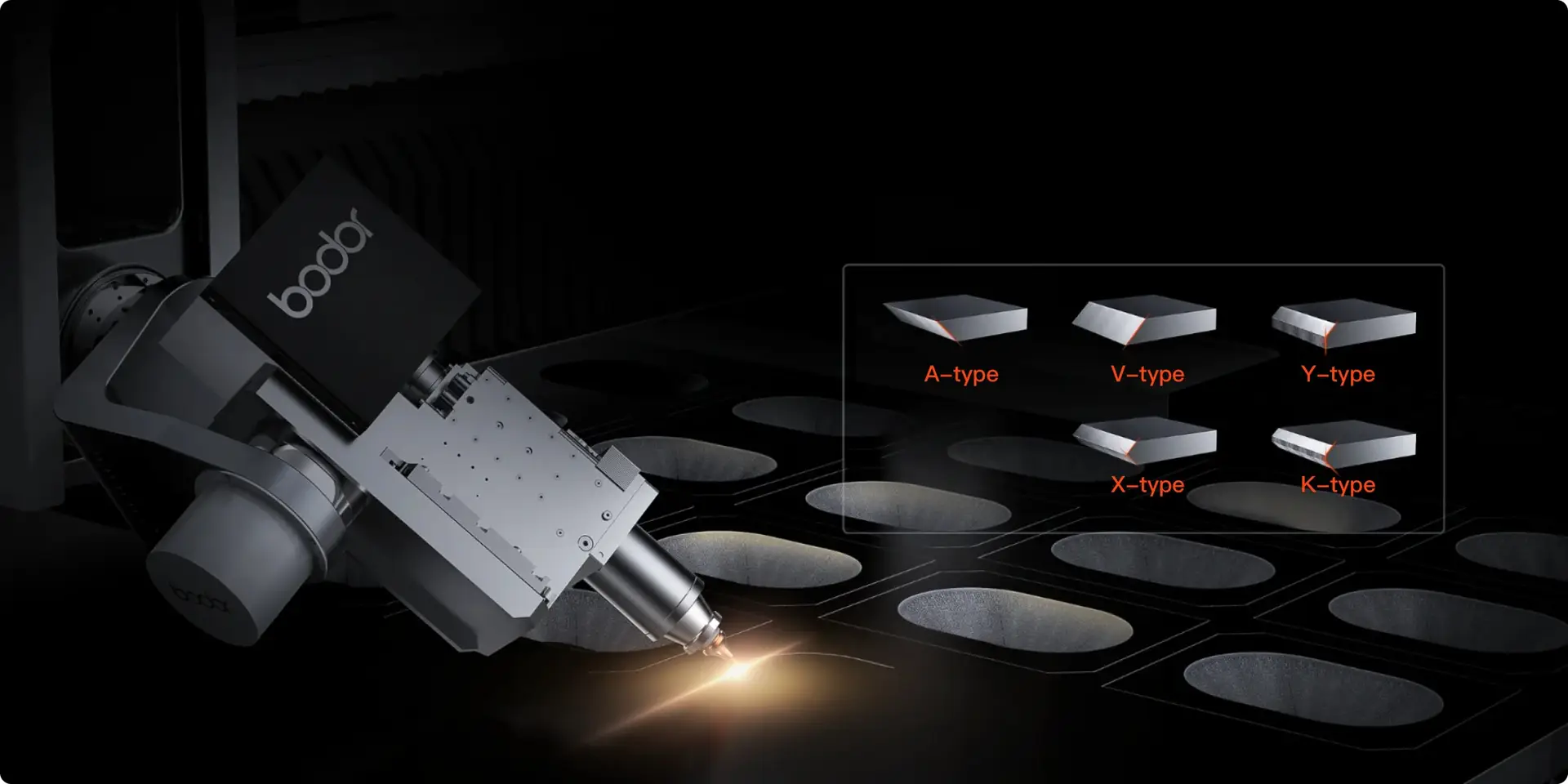
When comparing CNC features, consider the benefits each offers. Fiber laser cutting is known for clean, precise cuts. This technology uses a focused laser beam to melt material, resulting in burr-free edges. Another feature is automation integration: it reduces human intervention, enhancing consistency. When evaluating machines, weigh the pros of each feature against your production goals.
Selecting the Right CNC Machinery
Choosing the right CNC machinery can significantly impact your production efficiency and product quality. Let’s explore some options available in the UK market.
Bodor Fiber Lasers Overview
Bodor fiber lasers are a top choice for UK manufacturers. They offer high precision and reliability. These lasers use advanced technology to cut metals like stainless steel and aluminum with exceptional accuracy. The fiber laser cutting process ensures minimal heat damage, which is ideal for sensitive materials. Bodor’s lasers also integrate well with automation systems, enhancing your production capabilities.
Press Brakes UK: Electric Options
Electric press brakes provide an energy-efficient alternative to hydraulic models. They offer precise bending with reduced power consumption. Electric systems deliver consistent results, which is essential for high-quality production. With quieter operation, they are suitable for environments where noise is a concern. These machines are perfect for manufacturers looking to improve energy efficiency without sacrificing performance.
Deburring Machines UK: What to Know
Deburring machines are vital for finishing processes. They remove sharp edges and burrs, ensuring safer and higher-quality outputs. In the UK, these machines are appreciated for their efficiency in streamlining production. They are designed to work seamlessly with CNC systems, resulting in smooth, flawless products. Investing in deburring equipment can enhance the overall quality of your manufactured goods.
Enhancing CNC Investment
Maximizing your CNC investment involves integrating advanced technologies and ensuring ongoing support. Here’s how you can enhance the value of your machinery.
Automation Integration CNC Benefits
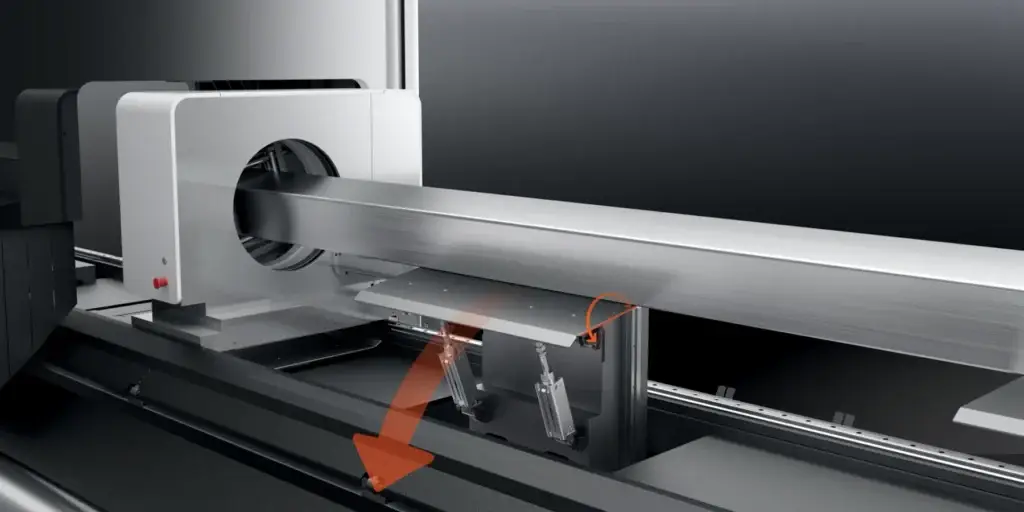
Automation integration offers significant benefits. It reduces manual labor, improving efficiency and accuracy. With automation, you can achieve consistent production quality, minimizing errors. By integrating automation, you streamline operations, which can lead to increased throughput and lower costs. This approach is ideal for manufacturers looking to scale their operations effectively.
CAD/CAM Integration & Compliance
Integrating CAD/CAM software with your CNC machines can enhance design accuracy and production efficiency. This integration allows for precise control over machining processes. Additionally, ensuring UKCA and CE compliance is crucial for machine safety and regulatory adherence. Compliance ensures that your machinery meets safety standards, protecting your investment and workforce.
After-Sales Support and Maintenance
Reliable after-sales support is essential for maintaining CNC machinery performance. Look for UK-based support that offers prompt service and spare parts availability. Preventive maintenance programs can extend the life of your machines, reducing downtime and ensuring consistent operation. Investing in a supplier with robust after-sales support can provide peace of mind and protect your investment.
Frequently Asked Questions
What are the key factors in choosing CNC machinery?
Consider laser power, material compatibility, and automation options. These factors determine cutting capabilities and operational efficiency.
Why is automation integration important for CNC machines?
Automation enhances efficiency by reducing manual intervention. It leads to consistent quality, increased throughput, and lower operational costs.
How does CAD/CAM integration benefit CNC operations?
CAD/CAM integration improves design precision and machining accuracy. It allows for seamless control over production processes, enhancing overall efficiency.
What should I look for in after-sales support for CNC machinery?
Seek UK-based support with quick response times and spare parts availability. Comprehensive maintenance programs ensure machine longevity and reliability.
Why choose electric press brakes over hydraulic ones?
Electric press brakes are energy-efficient and offer consistent bending precision. They are quieter and suitable for manufacturers focused on sustainability.