
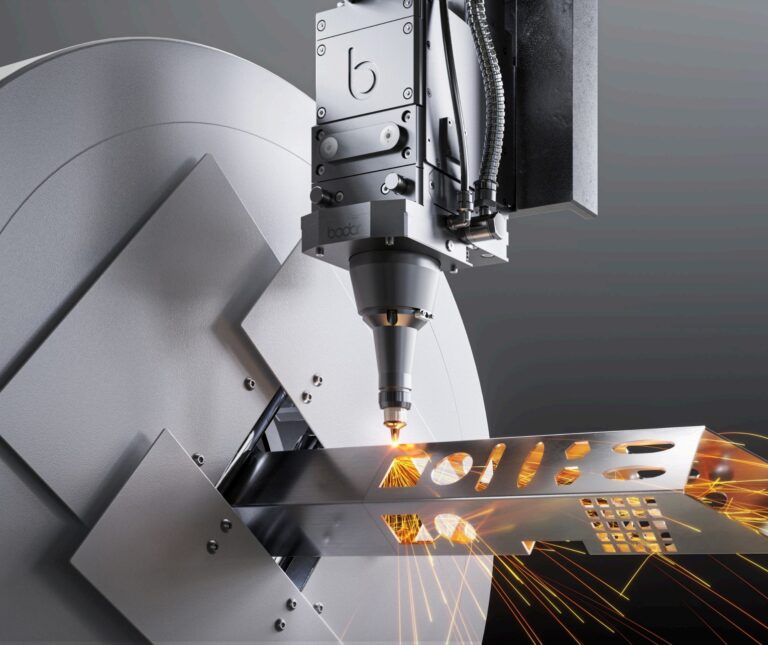
Most buyers miss key checks that reveal a used machine’s true condition. Without a thorough assessment, you risk costly downtime and poor output. This guide covers a clear machine inspection checklist to help you evaluate used metalworking machinery with confidence. Request our free inspection checklist and book a used machine assessment with World Machinery Shropshire today. For more detailed guidance, visit our website.
Essential Pre-Purchase Checklist
Before you buy used metalworking machinery, understanding its past is crucial. This section will help you uncover the machine’s history, compliance, and operational wear.
Inspect Service History Records
Start with the service history: it’s the machine’s life story. Look for consistent maintenance records, which indicate a well-cared-for machine. Check for major repairs or part replacements that could signal past problems. Consistency in records means fewer surprises down the road. A detailed service history helps you predict future maintenance needs, saving time and money.
Verify CE Compliance Standards
CE compliance ensures the machine meets essential safety and environmental standards. Without it, you risk legal issues and unsafe operations. Always check for a CE mark and request relevant documentation. If the machine lacks this, consider the costs and difficulties of bringing it into compliance. This step is crucial for peace of mind and operational safety.
Assess Spindle and Laser Hours
Spindle and laser hours reveal how intensively the machine has been used. High hours could mean more wear and tear. Compare these hours to expected life spans. Machines with lower operational hours often imply better condition and longer remaining life. If hours are high, factor in potential maintenance or overhauls.
Evaluating Machine Performance
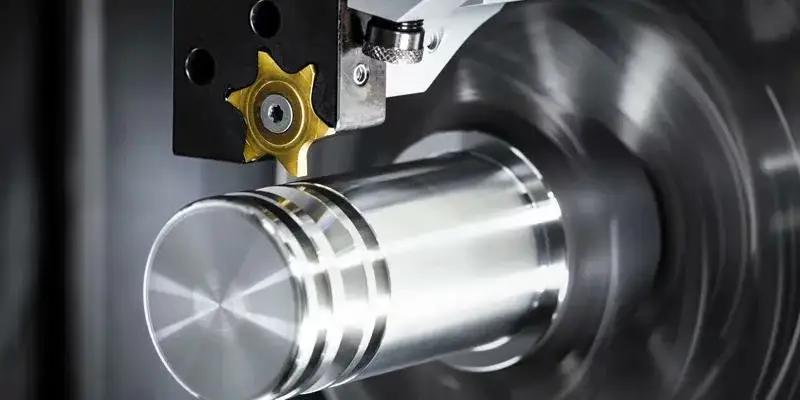
Understanding how a machine performs is key to avoiding costly downtime. These tests will help you gauge its current condition accurately.
Conduct CNC Backlash and Ballbar Tests
The CNC backlash test reveals issues with mechanical components. If there’s too much play, parts may not move as expected. The ballbar test further checks for precision and reveals circular performance errors. Together, these tests help ensure the machine operates smoothly and accurately. Consistent results mean reliable performance and fewer operational hiccups.
Test Cuts and Bend Test Analysis
Test cuts show the machine’s cutting quality. Look for smooth edges without burrs. A bend test assesses the machine’s bending precision. Both tests are crucial for verifying that the machine can meet your production standards. Good results in these tests mean the machine is ready for your production floor.
Check Accuracy and Repeatability
Accuracy ensures the machine can hit exact measurements every time. Repeatability tests confirm it can do this consistently. Measure parts produced in a series; less variance indicates better performance. This consistency is critical for maintaining product quality and minimizing waste.
Technical Considerations and Support
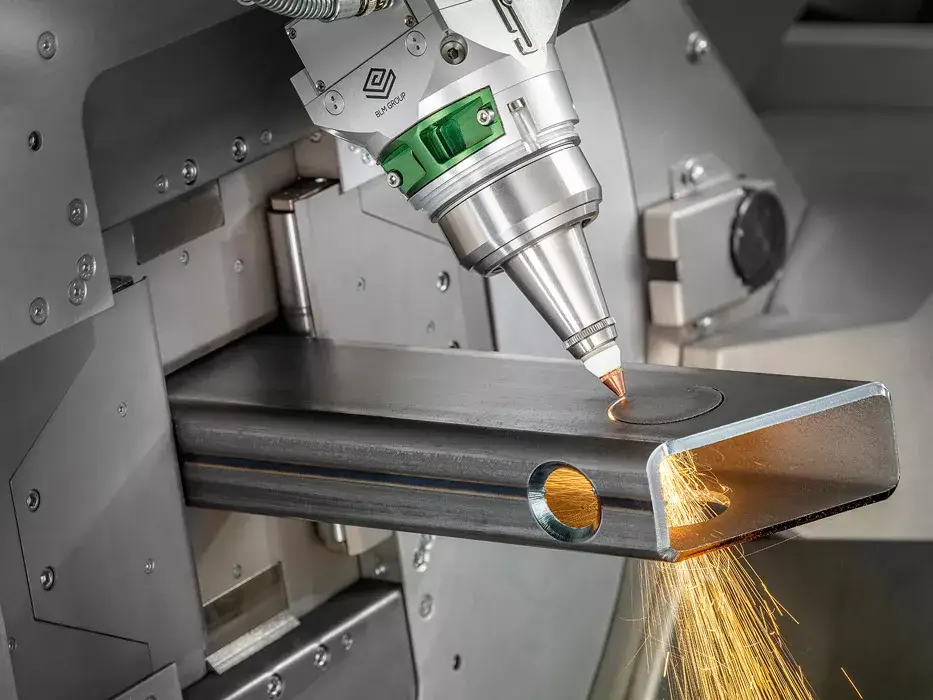
After verifying performance, consider the machine’s technical needs and available support. These factors can affect integration into your operations.
Review Power and Phase Requirements
Ensure the machine’s power requirements match your facility’s capabilities. Check voltage, phase, and frequency needs. Mismatches can lead to expensive adjustments or operational issues. Proper alignment here prevents costly downtime and ensures smooth integration.
Examine Tooling and Consumables
Tooling and consumables are ongoing costs. Check the condition and availability of necessary tools. Evaluate current consumable levels and related costs. Knowing these factors helps in budgeting and ensures uninterrupted production. Adequate preparation avoids surprise expenses and delays.
Explore After-Sales Support in the UK
After-sales support is crucial for long-term success. Verify available support services, including maintenance and spare parts supply. UK-based support ensures quick response times and efficient problem-solving. Reliable support means less downtime and more operational stability.
Frequently Asked Questions
What is a CNC backlash test?
A CNC backlash test measures the mechanical play between components. It helps identify issues with movement precision, ensuring the machine operates accurately.
How can I verify CE compliance?
CE compliance can be verified by checking for the CE mark and requesting relevant documentation. This ensures the machine meets essential safety and environmental standards.
Why are spindle and laser hours important?
Spindle and laser hours indicate how much the machine has been used. They help assess the machine’s wear and predict maintenance needs.
What should I look for in service history records?
Look for consistent maintenance records and major repairs. Consistency in service history indicates a well-maintained machine with fewer hidden issues.
How does after-sales support benefit me?
After-sales support provides maintenance and spare parts, ensuring less downtime and stable operations. UK-based support means quicker response times and efficient problem-solving.