
Choosing the right press brake can make or break your sheet metal production. Many UK manufacturers struggle to match machine capabilities with their specific bending needs, wasting time and money. This press brake selection guide breaks down key factors like tonnage, tooling, and control options so you can pick the perfect CNC press brake. Book a free specification review and demo to get expert advice tailored to your operation.
Understanding Press Brake Types
Press brakes come in various types, each offering unique advantages for different operations. Understanding these types will help you make informed decisions for your sheet metal needs.
Electric Press Brake Benefits
Electric press brakes are known for their precision and lower energy consumption. Unlike traditional models, they use electric motors to drive the ram, ensuring consistent, high-quality bends. You benefit from reduced power costs and quieter operation. These machines are also compact, saving valuable floor space. Maintenance is simpler due to fewer mechanical components, reducing downtime. They’re ideal for operations where precision and efficiency are top priorities.
Hydraulic vs Hybrid Press Brakes
Hydraulic press brakes use hydraulic fluid to apply force, making them suitable for heavy-duty tasks. They excel in handling thicker materials and larger projects. Hybrid models combine hydraulic power with electric efficiency, providing the best of both worlds. This combination results in faster cycle times and greater energy savings. If your work involves varying thicknesses and materials, a hybrid press brake could be the optimal choice.
CNC Press Brake UK Options
In the UK, CNC press brakes are popular for their advanced control systems. These systems offer precise bending angles and repeatability. You can program complex projects, reducing human error and increasing productivity. Investing in a CNC model ensures you stay competitive in a rapidly advancing industry. Consider your specific needs: if customization and efficiency are key, a CNC press brake is worth the investment.
Key Features to Consider
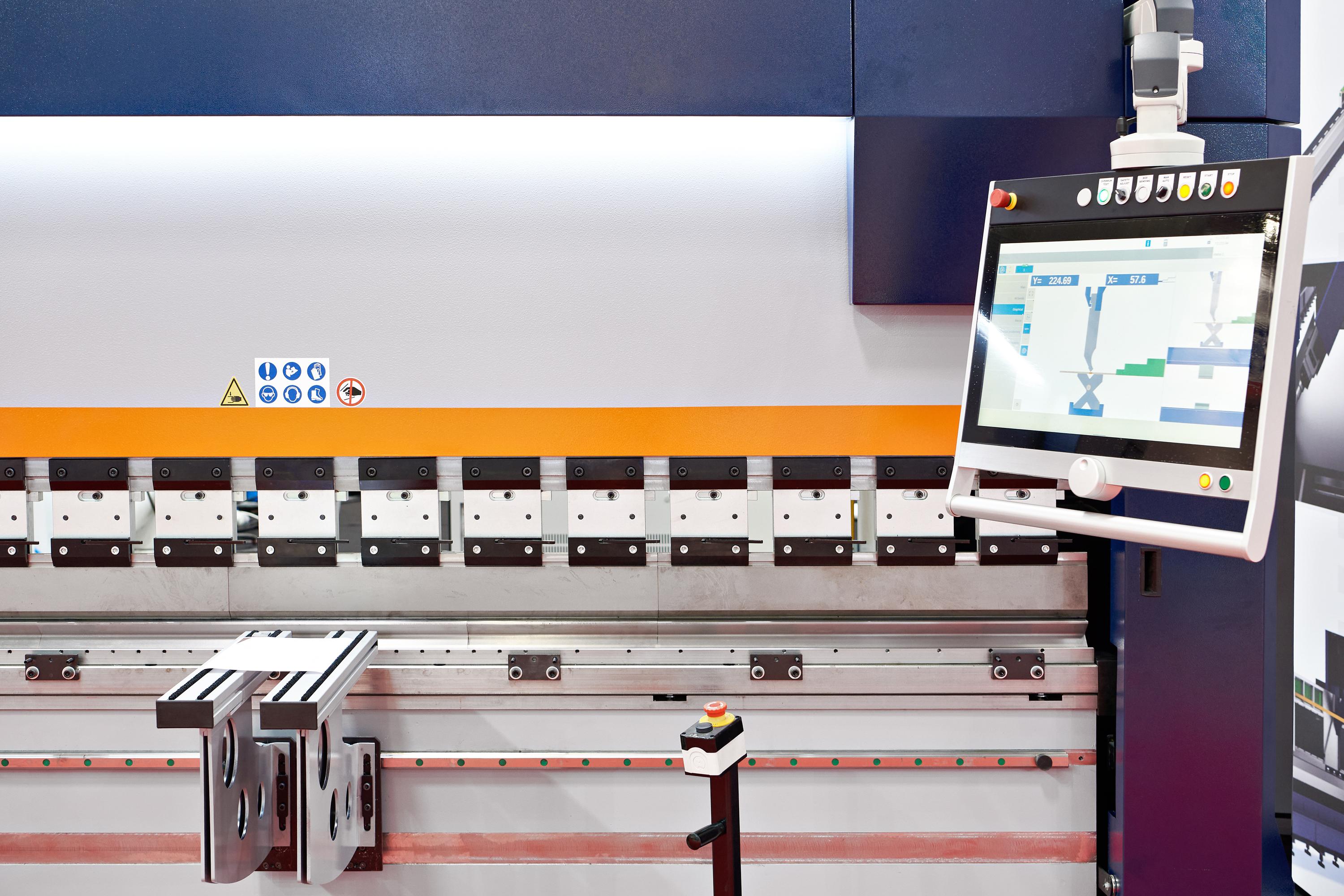
Choosing the right press brake involves evaluating key features that align with your production goals.
Tonnage and Bending Capacity
Tonnage determines the maximum force the press brake can exert. Use a press brake tonnage calculator to assess your needs based on material type and thickness. Bending capacity impacts the length and type of bends you can perform. Ensure your machine can handle your largest projects to avoid limitations in production. A mismatch here can lead to costly errors and downtime.
Tooling and Backgauge Systems
Tooling plays a crucial role in the versatility of your press brake. Look for machines compatible with European style tooling or WILA systems. These options offer flexibility and high precision. A multi-axis backgauge allows for complex, multi-bend projects with ease. Ensure the system supports easy adjustments and quick changeovers to maximize productivity.
Safety and Efficiency Enhancements
Safety should never be compromised. Modern machines offer features like safety light guards and sheet followers to protect operators. Efficiency enhancements such as energy-saving modes reduce operational costs. Consider a machine with advanced control options for better bend accuracy and reduced waste. Investing in these features ensures a safer work environment and lower long-term expenses.
Making the Right Decision
Navigating the purchase of a press brake involves several considerations beyond machine specifications.
Finance and Used Options
Whether you’re buying new or used, consider finance options available in the UK. Flexible agreements make it easier to invest in advanced machinery. Used press brakes from reliable suppliers can offer significant savings. Ensure any used machine comes inspected and maintained to deliver reliable performance. This approach balances cost with operational capability.
Installation and Maintenance Support
Reliable installation and maintenance support are crucial for minimizing downtime. Choose a provider offering comprehensive UK-based services. This includes initial setup, training, and ongoing maintenance. Having expert support ensures your machine runs smoothly and efficiently, protecting your investment and sustaining production levels.
Engaging with World Machinery Shropshire
World Machinery Shropshire stands out with their commitment to customer support and high-quality equipment. With over 50 years of experience, they provide trusted advice and service. Engaging with them means access to expert guidance, robust machinery, and after-sales support. Their dedication to customer satisfaction makes them an ideal partner in your press brake journey.
Frequently Asked Questions
What is the difference between electric and hydraulic press brakes?
Electric press brakes use motors for precision and efficiency, while hydraulic press brakes apply force through hydraulic fluid, making them suitable for heavy-duty tasks.
Why are CNC press brakes popular in the UK?
CNC press brakes are favored for their advanced control systems, offering precision and repeatability, essential for complex and customized projects.
How can I determine the right tonnage for my press brake?
Use a press brake tonnage calculator, considering the material type and thickness, to ensure your machine meets your production needs.
What safety features should I look for in a press brake?
Look for safety light guards, sheet followers, and advanced control options to ensure a secure and efficient working environment.
Can I finance a press brake purchase in the UK?
Yes, many suppliers offer flexible finance options, making it easier to invest in new or used machinery while managing your budget effectively.