
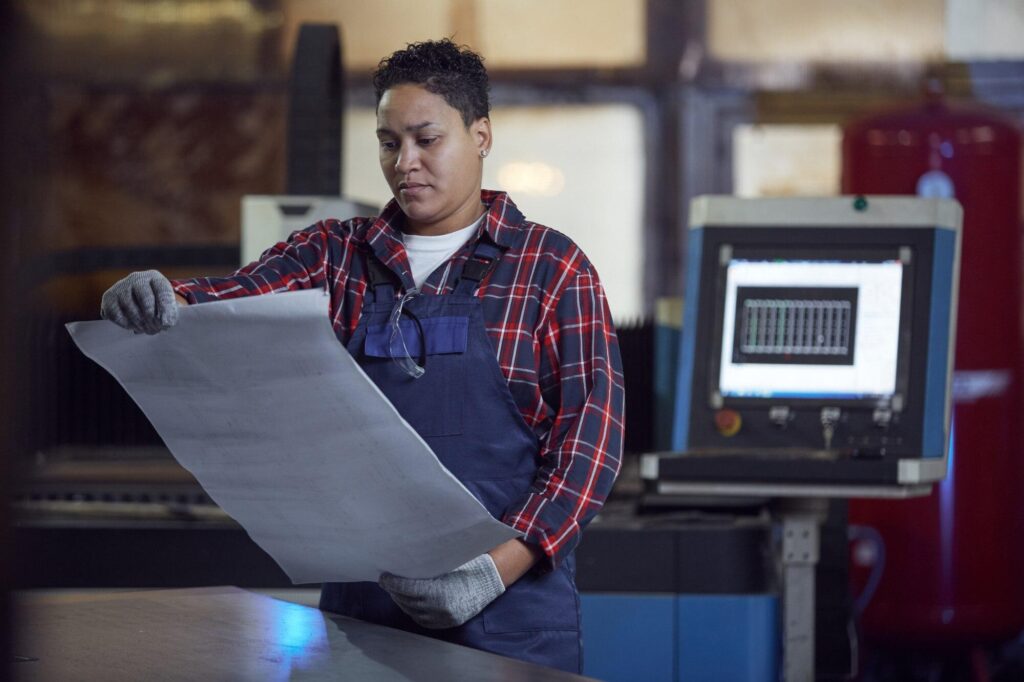
Choosing the right fiber laser can make or break your production line’s efficiency. Many UK manufacturers struggle to match laser power and specs with their material needs, losing time and money. This fiber laser buying guide UK breaks down key factors like power options, assist gases, and automation features. Read on to find the best Bodor fiber laser UK system for your workshop and boost your ROI with confidence. Book a free cut trial and ROI review with our laser specialists today. [https://worldmc.co.uk/cnc-machine-buying-guide-for-uk-manufacturers-lasers-press-brakes-roi/]
Selecting the Right Laser Power
Understanding laser power can transform your production workflow. The key is matching power to your specific needs for optimal results. Let’s explore the choices between 6kW and 10kW systems.
Comparing 6kW and 10kW Options
Choosing between a 6kW and a 10kW fiber laser involves considering your cutting needs. 6kW fiber lasers are ideal for thin materials, offering speed and cost efficiency. They handle metals like stainless steel and aluminum with ease, producing clean cuts without excessive power consumption. On the other hand, 10kW fiber lasers excel with thicker materials. They provide the extra power needed for faster cutting and higher precision on challenging materials.
The choice largely depends on your specific use case. If your operations mostly involve thinner metals, a 6kW model may suffice. However, for a diverse range of materials including thicker ones, a 10kW laser could be a better investment.
Laser Power Selection Tips
Selecting the right power involves evaluating your material types and production goals. Begin by listing the materials you cut most often. Consider the thickness and required speed for your projects. For instance, a shop cutting primarily thin metals may not need the maximum power of a 10kW laser.
Consider future needs as well. If you plan to diversify your materials, a higher power laser might be prudent. Factor in the ROI calculator laser cutter capabilities to weigh potential gains against costs. The goal is to ensure you’re not only meeting current needs but also preparing for future demands.
Cutting Speed Comparison
Speed is a crucial factor in production efficiency. With laser technology, power directly influences cutting speed. A 10kW laser can cut thicker materials faster than a 6kW, reducing turnaround times significantly. For example, cutting 10mm carbon steel is faster with a higher wattage laser.
However, speed should not compromise quality. Evaluate your needs: if precise, clean cuts are a priority, ensure your laser’s speed complements its accuracy. Remember, the right balance of speed and power can significantly impact your bottom line.
Key Features to Consider
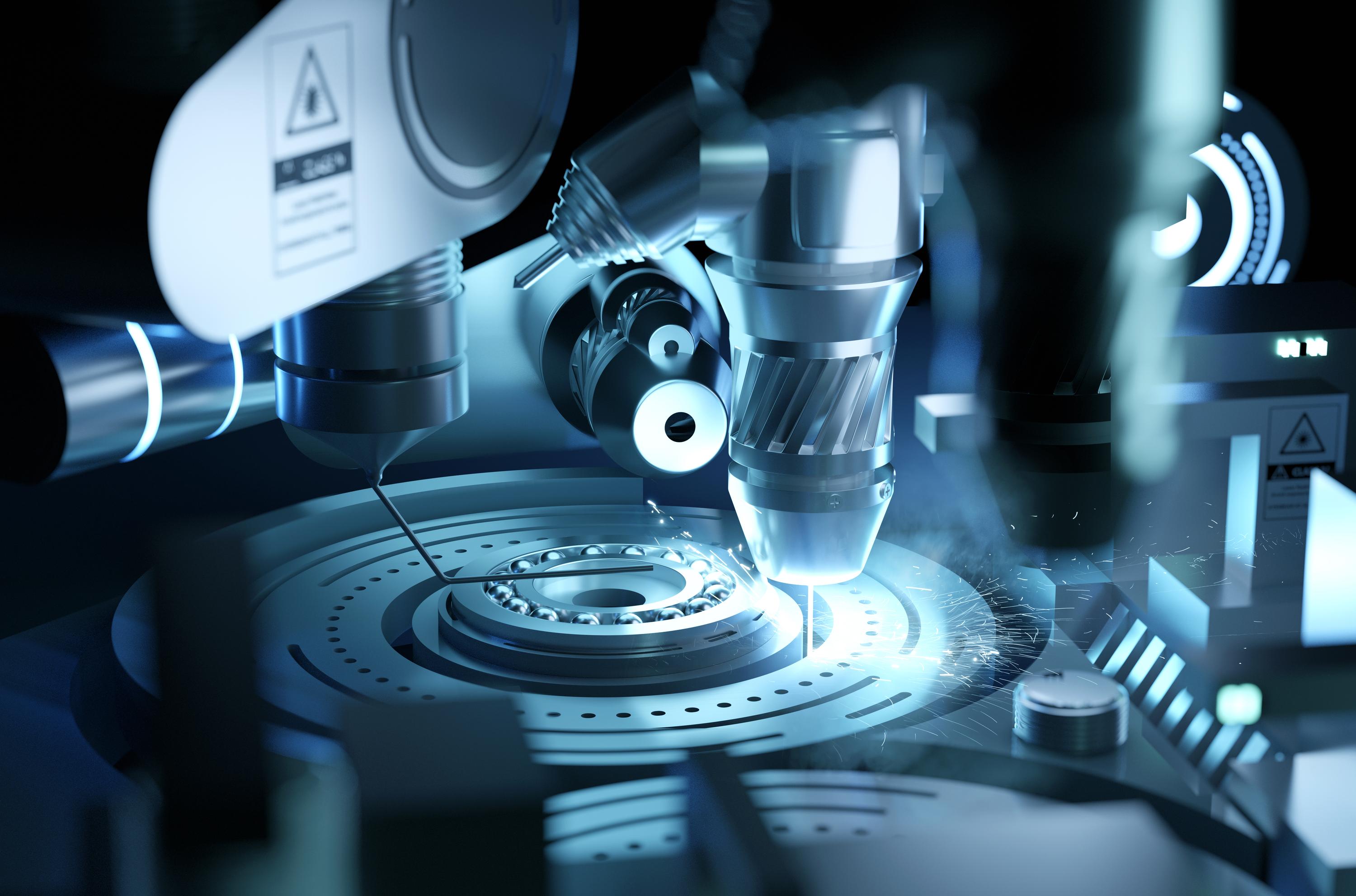
Beyond power, other features enhance your fiber laser’s performance. Automation, autofocus, and exchange platforms are key components that streamline operations.
Importance of Automation in Laser Cutting
Automation in laser cutting can dramatically boost productivity and efficiency. It reduces manual intervention, allowing for consistent and repeatable cuts. Automation for laser cutting ensures your operations are not only efficient but also cost-effective.
Consider automated features like intelligent nesting and material handling systems. These features minimize waste and maximize output. Automation also helps in reducing labor costs and human errors, providing you with a more reliable and efficient workflow.
Benefits of Autofocus Cutting Heads
Autofocus cutting heads are a game-changer in laser cutting. They adjust the focal point automatically, enabling precise and consistent cuts across varying material thicknesses. This feature enhances both quality and speed, crucial in maintaining high production standards.
With autofocus, you save time on manual adjustments. It ensures the laser is always optimally focused, reducing downtime and improving throughput. Incorporating autofocus in your laser system can significantly enhance your production efficiency.
Shuttle Table Exchange Platforms
Shuttle table exchange platforms are vital for continuous production. They allow for quick material changes, minimizing downtime. This feature is particularly beneficial for large-scale operations where efficiency is paramount.
By enabling faster material swaps, these platforms reduce idle time between cuts. They also aid in maintaining a steady workflow, crucial for meeting tight deadlines. Investing in a shuttle table exchange platform is wise if you aim to increase production capacity.
Ensuring Quality and Compliance

Quality and compliance are non-negotiable in manufacturing. The choice of assist gas, adherence to standards, and proper safety measures ensure your operations are top-notch.
Assist Gas: Nitrogen vs. Oxygen
Choosing the right assist gas is crucial for laser cutting. Nitrogen and oxygen are the most common choices. Nitrogen is ideal for laser cutting stainless steel and aluminum, as it provides oxidation-free edges. It’s perfect for applications requiring clean, polished results.
Oxygen, in contrast, is better for cutting thicker materials like carbon steel. It enhances the cutting speed by reacting with the metal, but it can leave oxidized edges. Your choice should align with your material needs and desired finish quality.
CE Marked Laser Cutter Benefits
A CE marked laser cutter ensures compliance with European safety standards. It signifies the machine meets essential health, safety, and environmental protection standards. This compliance is crucial for operating legally and safely within the UK and EU.
Investing in CE-marked equipment not only ensures safety but also enhances credibility with clients. It reflects a commitment to quality and safety, which can be a significant competitive advantage.
Extraction and Filtration HSE UK Guidelines
Proper extraction and filtration are vital for maintaining a safe working environment. The Health and Safety Executive (HSE) in the UK outlines guidelines to manage laser fume extraction effectively. Compliance with these guidelines is essential for protecting employees from harmful fumes.
Ensure your laser system includes efficient extraction and filtration systems. This not only complies with regulations but also maintains a clean and safe workspace, enhancing overall productivity.
Frequently Asked Questions
What is the best fiber laser for cutting aluminum?
A 6kW fiber laser is often suitable for cutting aluminum due to its cost efficiency and speed. However, for thicker aluminum, a 10kW laser might be more effective.
Why choose nitrogen over oxygen as an assist gas?
Nitrogen prevents oxidation, providing clean edges, especially for stainless steel and aluminum. Oxygen increases cutting speed but can oxidize edges, which may not be ideal for all applications.
How does automation improve laser cutting efficiency?
Automation reduces manual interventions, increasing consistency, reducing labor costs, and minimizing human error, thus boosting overall production efficiency.
What are the benefits of a CE-marked laser cutter?
A CE mark ensures compliance with safety and environmental standards, enhancing legal operation and credibility within the UK and EU markets.
Why is extraction and filtration important in laser cutting?
It protects employees from harmful fumes, complies with HSE regulations, and maintains a safe, clean working environment, crucial for productivity and safety.