

Used metalworking machinery inspection can save you thousands but only if done right. Many buyers overlook critical tests like the spindle runout or backlash and repeatability checks, risking costly repairs later. This guide breaks down a practical used CNC machine checklist tailored for UK manufacturers, so you know exactly what to inspect before you commit. Contact our team for a free pre-purchase consultation and inspection checklist. Learn more here.
Key Inspection Areas
When evaluating used metalworking machinery, certain checks are essential to ensure quality and performance. Understanding these areas can save you from costly repairs down the line.
Machine Geometry Check
Start by examining the geometry of the machine. This involves assessing the alignment of various parts. Check the flatness of the table and the perpendicularity of components. A small misalignment can lead to errors in production. Use precise tools to measure and confirm the machine’s geometry. These checks ensure the machine can produce accurate parts consistently.
Backlash and Repeatability Test
Next, focus on backlash and repeatability. Backlash occurs when there is play between mechanical components. It’s crucial to test this by moving the machine in both directions and noting any lag. Repeatability refers to the machine’s ability to return to a specific position accurately. Make multiple tests to ensure reliability. These tests confirm the machine’s precision in operations.
Spindle Runout Test
Spindle runout affects the machine’s ability to cut accurately. To test this, measure the spindle with a dial indicator. Any deviation indicates runout. This impacts the quality of cuts and can lead to uneven surfaces. Regularly perform spindle runout tests to maintain quality. This ensures the machine operates correctly and produces high-quality outputs.
Detailed Inspection Checklist
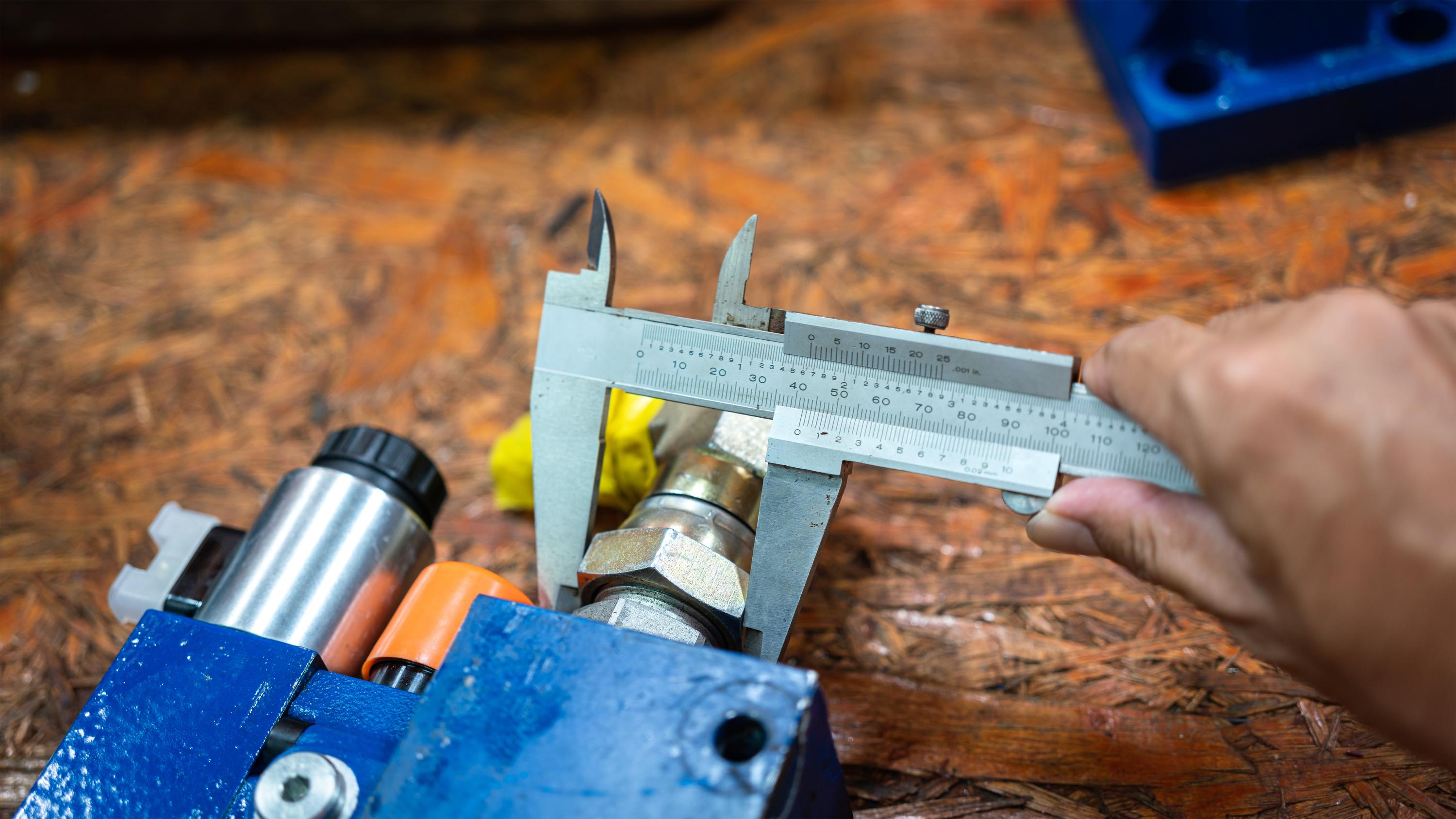
Beyond basic checks, a detailed inspection can reveal hidden issues. This checklist covers specific machines and systems you might encounter.
Pre-owned Press Brake Inspection
Inspecting a pre-owned press brake involves several steps. First, examine the frame for any signs of wear or damage. This includes checking welds and joints. Next, move to the hydraulic system. Test for leaks or pressure issues. The electrical systems also need a thorough review. Ensure all connections are secure and functioning. A well-inspected press brake reduces downtime and maintenance costs.
Used Fiber Laser Inspection
When inspecting used fiber lasers, start with the optics. Check for any scratches or contamination on lenses. This affects laser quality and precision. Move on to the cooling system. Ensure it’s functioning correctly to prevent overheating. Finally, inspect the laser source. Ensure it operates within specified parameters. These inspections ensure the laser’s efficiency and longevity.
Coolant and Lubrication System Check
The coolant and lubrication systems are vital for machine longevity. Inspect for leaks and ensure the systems are clean. Contaminated coolant can harm the machine. Check the lubrication system for proper distribution. This prevents wear and tear on moving parts. Regular checks extend machine life and maintain performance.
Performance and Compliance
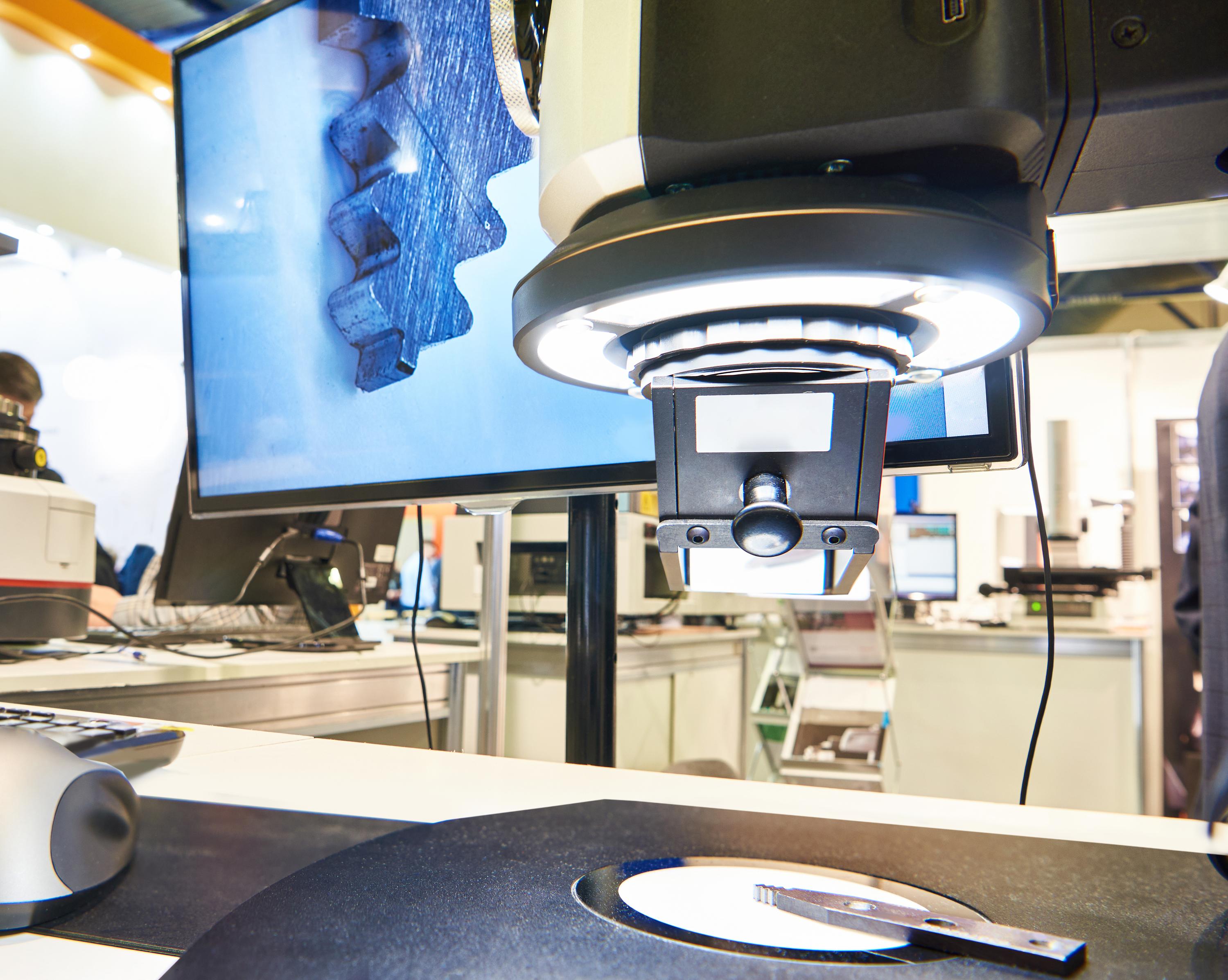
Ensuring performance and compliance is crucial for safe and efficient operations. These checks align with UK standards and regulations.
CE Compliance and PUWER UK
CE Compliance and PUWER regulations ensure machines meet safety standards. Verify the machine has a CE mark and check its documentation. This confirms it meets European directives. Also, review PUWER compliance. This involves assessing machine safety features. Ensuring compliance protects your workers and business.
Axis Servo and Drives Check
The axis servo and drives are critical for machine control. Test the servo motors for any irregularities. Listen for unusual sounds or vibrations. Drives should be inspected for proper functioning. These checks ensure smooth and precise machine operations. Addressing issues early prevents costly repairs.
Hydraulic System Leak Test
Lastly, conduct a hydraulic system leak test. Leaks can lead to pressure loss and inefficient operations. Examine hoses and connections for any leaks. Test the system under working conditions to identify issues. Regular hydraulic checks maintain machine efficiency and prevent breakdowns.
Frequently Asked Questions
What is the importance of a machine geometry check?
A machine geometry check ensures that all parts are correctly aligned, which is crucial for producing accurate and high-quality components.
How do I test for spindle runout?
Measure the spindle with a dial indicator for any deviations. Regular checks help in maintaining cutting accuracy and surface quality.
Why is CE compliance important?
CE compliance ensures that the machinery meets European safety standards, protecting both your workers and your business.
What should I inspect in a used fiber laser?
Check the optics for scratches, assess the cooling system, and ensure the laser source operates within specified parameters for optimal performance.
How can I identify hydraulic system leaks?
Examine hoses and connections under working conditions to spot any leaks, ensuring the system maintains pressure and functions efficiently.