
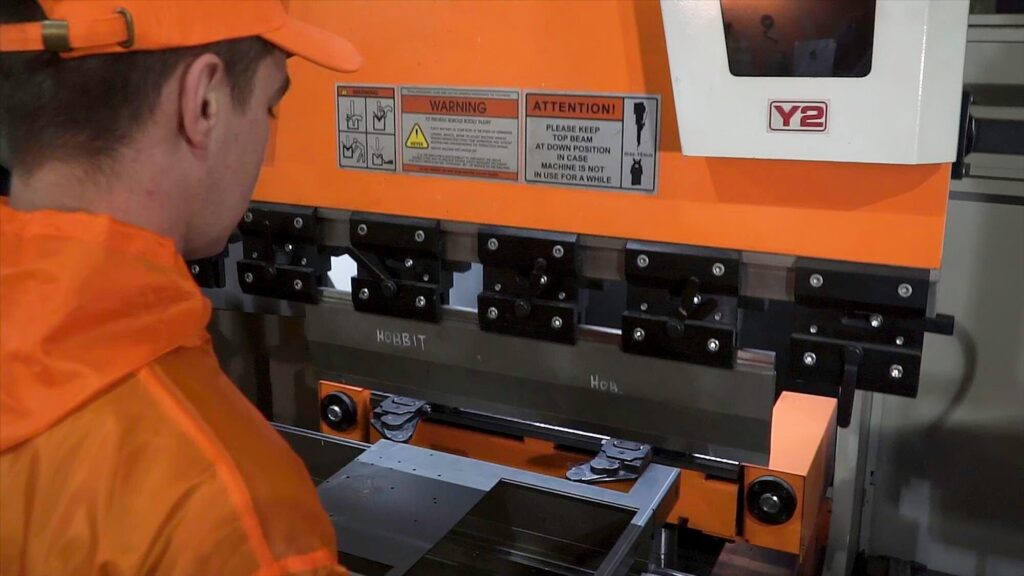
Choosing the right press brake can make or break your workshop’s productivity. Many UK fabricators face costly downtime and quality issues from poor machine selection. This press brake selection guide covers key factors like press brake tonnage, bending radius, and control systems to help you avoid those pitfalls. Trust World Machinery (Shropshire) Ltd to support your choice with expert advice, setup, and ongoing UK after-sales support. Speak with our applications team today. Request a free application review, bend test, and tailored finance options.
Learn more about press brake selection.
Key Criteria for Press Brake Selection
Choosing the right press brake requires understanding several core elements. Investing in the correct machine will enhance your workshop’s productivity and reduce downtime. Let’s delve into these crucial criteria.
Understanding Press Brake Tonnage
Tonnage is a critical factor in press brake selection. It determines the machine’s bending capacity, which impacts your ability to handle various materials. For instance, if you typically work with thicker metals, a higher tonnage machine is essential. This ensures that you can bend materials without straining the equipment, maintaining longevity and performance.
When selecting tonnage, consider your most demanding projects first. This proactive approach can save you from future headaches. Investing in a machine with the right tonnage ensures your workshop can handle diverse jobs efficiently.
Evaluating Bending Radius and Speed
Attention to bending radius and speed affects your production quality and efficiency. The bending radius influences the precision of your bends, impacting the final product’s look and structural integrity. Speed is equally important, as it dictates how quickly you can complete projects without sacrificing quality.
Invest in a press brake that balances both elements. A machine that offers adjustable speed settings can provide flexibility, accommodating both complex and straightforward projects. This adaptability is key to maintaining a competitive edge in the market.
Comparing Air Bending vs Bottoming
Understanding the differences between air bending and bottoming can guide your press brake choice. Air bending uses less force and offers flexibility in bend angles, making it ideal for diverse projects. Bottoming, on the other hand, provides greater precision and consistency, suited for jobs where accuracy is paramount.
Choosing between these methods depends on your specific needs. If versatility is your priority, air bending is beneficial. However, for projects demanding high precision, bottoming is preferable. Tailoring your choice to your operational needs ensures satisfaction and efficiency.
Advanced Features and Controls
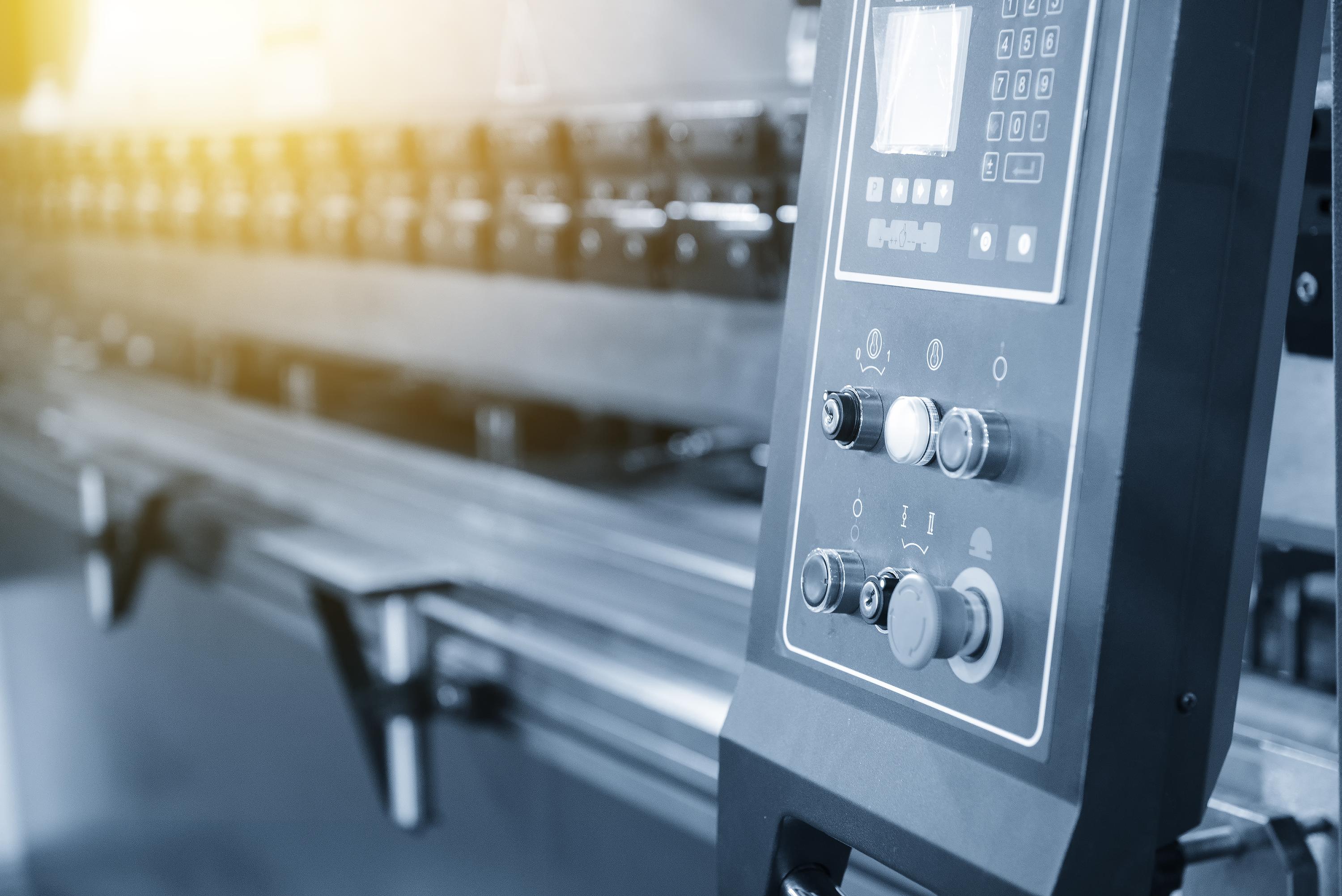
Beyond basic functions, advanced features and controls elevate your press brake’s capabilities. These elements streamline operations, enhancing precision and efficiency.
Importance of Backgauge Systems
A robust backgauge system is indispensable for efficient press brake operations. It ensures accurate positioning of the metal, allowing for precise bends. This system is particularly useful for repetitive tasks, minimizing errors and enhancing production consistency.
Modern backgauge systems often come with multiple axes, which expand your bending capabilities. They allow for complex bends and increased production speed. As such, investing in a high-quality backgauge system is crucial for workshops aiming for precision and efficiency.
Advantages of CNC Controls
CNC controls revolutionize press brake operations by automating processes and reducing manual intervention. These systems enhance accuracy, speed, and flexibility. With CNC, operators can easily adjust settings for different projects, improving turnaround times and reducing errors.
The ability to store programs for repetitive tasks further enhances productivity. By investing in CNC controls, your workshop can achieve higher efficiency, enabling you to take on more complex projects with ease.
Benefits of Automatic Crowning
Automatic crowning systems ensure uniform bend angles across the sheet, compensating for deflections during the bending process. This feature is essential for achieving precise results, especially in large-scale operations. It reduces the need for manual adjustments, saving time and minimizing errors.
By investing in automatic crowning, you ensure that each bend is perfect, improving the overall quality of your products. This feature is particularly beneficial for workshops that handle a high volume of work, where precision is non-negotiable.
Support and Financing Options
Comprehensive support and financing options are crucial for a seamless purchasing experience. These services ensure that your investment is protected and accessible.
Comprehensive UK After-Sales Support
After-sales support is a lifeline for maintaining your press brake’s performance. With World Machinery (Shropshire) Ltd, you receive UK-based support, ensuring quick response times and expert assistance. This service covers maintenance, troubleshooting, and parts replacement, keeping your operations running smoothly.
Choosing a supplier with robust after-sales support ensures peace of mind and minimizes downtime. This service is vital for maintaining productivity and avoiding costly disruptions.
Flexible Press Brake Finance Plans
Financing options make acquiring new machinery more accessible. Flexible plans allow you to invest in the latest technology without straining your budget. These options can be tailored to your financial situation, facilitating manageable payments over time.
By choosing a supplier that offers flexible financing, you can prioritize your workshop’s growth and productivity. This approach ensures you have the best tools without compromising financial stability.
Trade-In and Used Machine Offers
Trade-in and used machine offers provide cost-effective alternatives for upgrading your equipment. These options allow you to leverage existing assets, reducing the financial burden of acquiring new machinery.
Used machines, when properly inspected and maintained, deliver comparable performance to new models. This route is ideal for workshops looking to expand capabilities without significant upfront investment.
Frequently Asked Questions
What is press brake tonnage and why is it important?
Press brake tonnage refers to the force exerted by the machine to bend metal. It’s crucial as it determines the thickness of materials the press brake can handle, affecting your workshop’s capacity for different projects.
How does CNC control enhance press brake operations?
CNC control automates press brake functions, improving accuracy and efficiency. It allows for easy adjustments, program storage for repetitive tasks, and reduces manual errors, enhancing overall productivity.
What benefits does automatic crowning provide in press brakes?
Automatic crowning compensates for deflections during bending, ensuring uniform angles across the sheet. It reduces manual adjustments, saving time and ensuring high precision in large-scale operations.
Why are backgauge systems important in press brakes?
Backgauge systems ensure accurate positioning of metal for precise bends. They are crucial for repetitive tasks, minimizing errors, and enhancing production consistency.
What financing options are available for acquiring press brakes?
Flexible finance plans allow manageable payments over time, making it easier to invest in new technology. Trade-in and used machine offers provide cost-effective alternatives for upgrading equipment.