

Buying used metalworking machinery in the UK requires more than just a quick look. You need a detailed checklist to spot hidden issues in used CNC machines, fiber lasers, and press brakes. Skipping this step can cost time and money. This guide walks you through key points like ball screw backlash, laser resonator hours, and CE compliance UK. Speak with our team today to book your pre-purchase inspection and secure reliable machinery with confidence.
Key Considerations for Buyers
Before diving into the specifics of machine types, it’s crucial to establish what makes a purchase worthwhile.
Evaluating Used CNC Machines UK
When assessing used CNC machines, you should start by examining the machine’s overall condition. Look for signs of wear and tear. This includes checking for rust or damage on any parts. A thorough visual inspection can save you from future headaches. Another key element is the ball screw backlash. This refers to the loss of motion when the direction of the machine’s movement is reversed. A high level of backlash could indicate excessive wear, affecting precision.
Next, consider the machine’s accuracy. Test its ability to maintain consistent cuts. This will give you insight into whether the machine has been maintained properly. Verify the machine’s service log for regular maintenance records. Consistent servicing often means a longer lifespan for the equipment.
Assessing Used Fiber Laser Quality
Fiber lasers have become integral in metalworking due to their precision and efficiency. Begin by reviewing the laser’s resonator hours. This is a measure of how long the laser has been in operation. High hours could suggest reduced efficiency or impending maintenance needs.
Check the quality of the laser cuts. A simple test cut can reveal issues with alignment or focusing. If possible, compare the machine’s output with industry standards for cut quality. Lastly, ensure the machine’s components are original. Replacement parts can sometimes lead to performance issues.
Importance of Service History Verification
Service history is a window into a machine’s past. It reveals how well it has been maintained. A complete and transparent history can add significant value. Look for regular service intervals and any major repairs or replacements. This can indicate how much longer the machine might reliably operate.
A lack of service records is a red flag. It might mean the machine has been neglected. In some cases, machines with no documented history should be avoided due to potential hidden problems.
Inspection Checklist Essentials
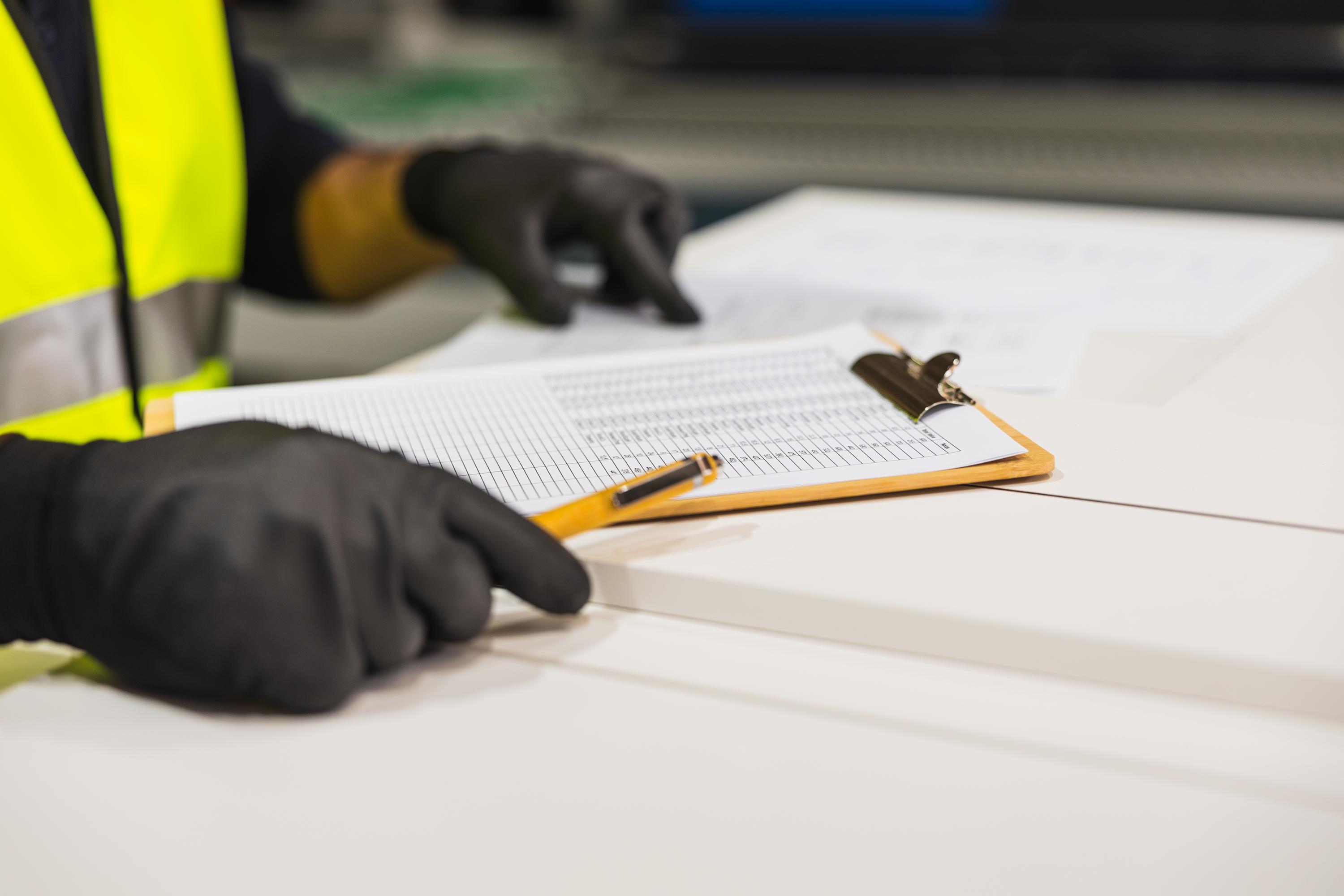
Having understood the key considerations, let’s move to the essential components of an inspection checklist.
Machine Condition Report Details
A detailed condition report offers a comprehensive view of the machine. This report should cover the mechanical, electrical, and software aspects. Look for any discrepancies between the report and your visual inspection.
Verify that all safety features are working properly. These can include emergency stop buttons and safety interlocks. If these aren’t functioning, it could pose a risk to operators. Don’t overlook the software. Ensure it is up-to-date and functioning as expected.
CE Compliance UK and Safety Checks
Ensuring CE compliance is non-negotiable. This certification indicates the machine meets European safety standards. Check the machine’s compliance documents. Non-compliance can lead to legal issues and safety risks.
Conduct safety checks personally. Look for functional safety guards and proper labeling. Safety checks provide peace of mind and protect your workforce from harm.
Laser Resonator Hours and Backlash
The laser resonator hours and ball screw backlash are technical but critical aspects to assess. High resonator hours may decrease a machine’s efficiency. Regular maintenance can mitigate this, so check service records for resonator upkeep.
Ball screw backlash affects precision. Measure it by testing the machine’s movement and noting any slack. Minimal backlash is ideal for maintaining accuracy in production.
Support and Financing Options

Beyond inspection, understanding your support and financing options can enhance your purchase experience.
Flexible Finance for Used Machinery
Purchasing machinery is a significant investment. Flexible financing can ease this burden. Look for finance agreements that offer manageable payment terms. This flexibility allows you to acquire needed equipment without disrupting cash flow.
Discuss options with your supplier. They might offer tailored solutions to suit your financial situation. Financing can make acquiring reliable machinery a more accessible goal.
Part-Exchange Machinery Opportunities
Consider part-exchange options if you own outdated machinery. This can reduce the cost of buying newer equipment. Evaluate the trade-in value of your current machines. A well-maintained machine can significantly offset the cost of new purchases.
Part-exchange deals often include installation services. This can provide a seamless transition to newer technology, minimizing downtime.
UK After-Sales Support and Training
After-sales support is crucial for maintaining machinery longevity. Ensure your supplier offers comprehensive support. This includes parts availability and maintenance services. Prompt support reduces downtime, ensuring your operations run smoothly.
Training is another valuable offering. Proper training ensures your team can operate the new equipment efficiently. This reduces errors and enhances productivity. Look for suppliers who provide hands-on training with their sales and support packages.
Frequently Asked Questions
What should I look for when buying used CNC machines?
When buying used CNC machines, check its overall condition, ball screw backlash, and service history. Test for accuracy and ensure regular maintenance has been documented.
Why is the service history important for used machinery?
Service history indicates how well the machine has been maintained. It helps predict future reliability and lifespan. Machines with regular maintenance records are often more reliable.
How can I ensure a used fiber laser is a good purchase?
Review the laser’s resonator hours and conduct a test cut to assess quality. Ensure the machine’s components are original, and check for any alignment or focus issues.
What financing options are available for used machinery?
Flexible finance agreements with manageable payment terms are available. These can help ease the financial burden of purchasing machinery.
What after-sales support should I expect from a supplier?
Expect comprehensive after-sales support including parts availability, maintenance services, and hands-on training for your team to ensure smooth operation and minimal downtime.