

The Complete Guide to Choosing the Right Deburring Machine
Choosing the right deburring machine can make or break your production line’s efficiency. Mistakes here cost you time, money, and product quality. This guide breaks down everything you need—from sheet metal deburring options to wet versus dry processing—to help you pick a solution that fits your throughput, materials, and finish requirements. Book a free finishing audit and sample part trial. Speak with our applications team today. Learn more here.
Key Considerations for Deburring Machines

When choosing a deburring machine, understanding your needs is essential. Different machines cater to various requirements, from specific burr types to processing techniques.
Understanding Burr Types and Edge Needs
Burrs can vary greatly depending on your material and production process. Knowing the type of burr you’re dealing with helps in selecting the right machine. Some burrs are sharp and dangerous, while others are small and hardly visible. You need to assess whether you require a machine capable of handling sharp edge rounding or if simple deburring will suffice.
Consider the end goal of your products. If you are producing items with precise specifications, an edge rounding machine might be necessary to achieve the desired finish. For those dealing with laser cut parts, a machine that addresses burr and dross removal is crucial. Remember, the right choice will enhance your product quality and safety.
Wet vs Dry Deburring Processes
Wet and dry deburring processes offer different benefits. Wet deburring uses liquids to cool and lubricate, which reduces heat and dust. This is ideal if you’re working with stainless steel or aluminum. It also extends the life of consumables like abrasive belts.
On the other hand, dry deburring is simpler and cheaper but requires a good dust collection system. It’s often used for materials that don’t produce much heat. Understanding the pros and cons will guide you in making the best decision for your production line. Explore more here.
Conveyor Widths and Configurations
Conveyor widths are critical in ensuring your machine fits your production line. Standard widths like 650, 1000, and 1350mm are common, but your choice depends on your specific material sizes.
The configuration of conveyors impacts the machine’s efficiency and throughput. Some machines offer adjustable widths to accommodate various materials, which can be a flexible solution if you handle multiple product lines. Correctly configuring your conveyor ensures smooth operation and maximizes your machine’s potential.
Selecting the Right Deburring Technology
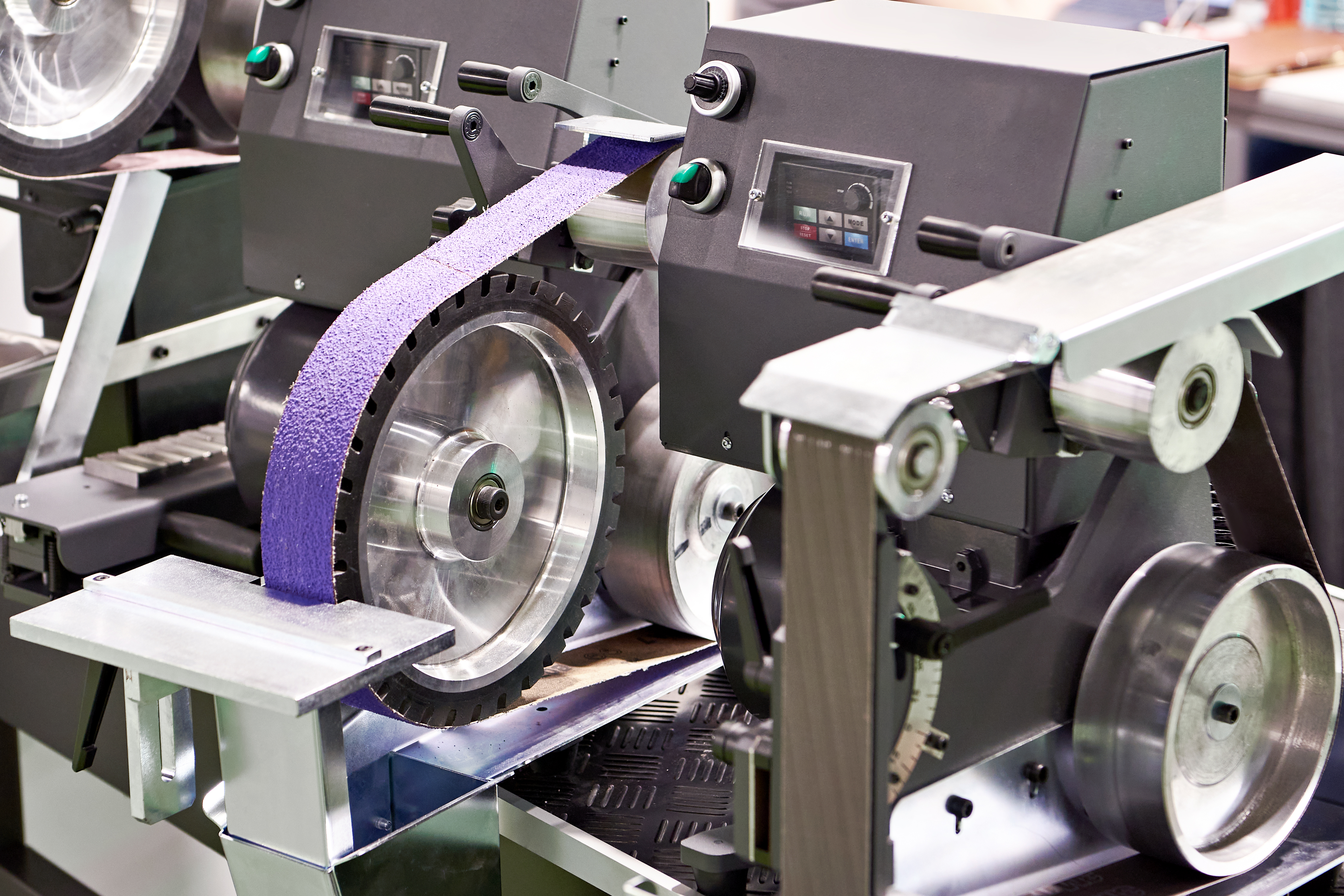
Once you’ve nailed down your needs, it’s time to explore the technology options available. Different systems offer unique advantages and can significantly impact your production efficiency.
Abrasive Belts vs Rotary Brushes
The choice between abrasive belts and rotary brushes can affect your finish. Abrasive belts are perfect for removing large burrs quickly. They work well for flat surfaces and are easy to change, reducing downtime. On the flip side, rotary brush deburring offers a finer finish and is better for complex shapes. It’s ideal if you need to achieve a specific surface finish Ra.
Consider your primary materials and desired finish. For more detailed guidance, visit this resource.
Slag and Oxide Removal Options
Slag and oxide layers can negatively impact the quality of your products. Specialized machines for slag grinders or oxide removal help maintain clean finishes. For those dealing with laser cut parts, these options are vital to remove unwanted residues.
Machines with these capabilities often come with additional features like vacuum or magnetic tables. They ensure that materials are held securely during processing, improving both safety and finish quality.
Vacuum and Magnetic Table Solutions
Vacuum and magnetic tables are essential for holding materials in place. Vacuum conveyor deburring is effective for non-magnetic materials like aluminum, while magnetic table deburring is suitable for ferrous metals. The choice depends on your primary materials and the specific tasks your machine will perform.
These solutions improve precision and reduce waste, ensuring each piece meets quality standards. Learn more about making these decisions here.
Evaluating Operational and Financial Aspects
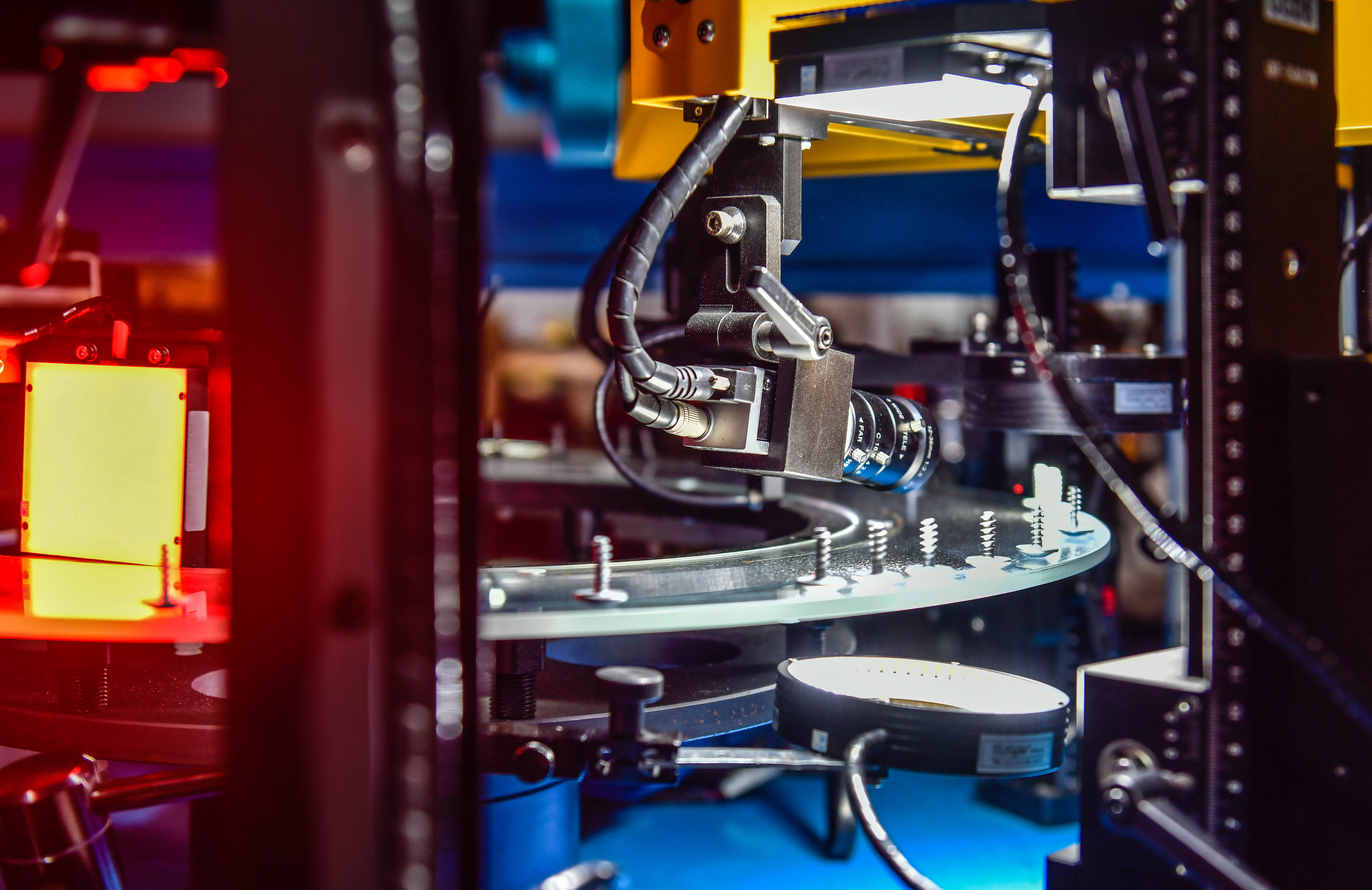
Beyond technology, consider the operational and financial factors that influence your decision. These aspects can significantly affect your long-term success and profitability.
Maintenance and Service in the UK
Reliable maintenance and service is crucial for any machinery. Working with a UK deburring supplier means you get prompt support and access to replacement parts. Regular maintenance ensures your machine runs efficiently, reducing downtime and prolonging its lifespan.
Consider the service agreements available and choose one that aligns with your needs. This will save time and money in the long run, ensuring your operations remain smooth and uninterrupted.
Consumables Cost and Power Requirements
Understanding the cost and availability of consumables is vital. Consumables like abrasive belts or brush heads can add up, affecting your consumables cost per part. Opt for machines that offer longer-lasting consumables or have lower wear rates. Additionally, consider the power requirements of the machine. Efficient power usage reduces operational costs and is more environmentally friendly.
Integration with Production Lines
Finally, ensure the deburring machine integrates seamlessly into your existing production line. Machines designed with flexibility in mind will accommodate your current setup without requiring extensive changes. This reduces downtime associated with installation and ensures throughput and takt time are optimized.
Integration also involves ensuring that your machine can handle your peak production schedules without bottlenecks. Proper integration maximizes efficiency and enhances productivity across your manufacturing processes.
By understanding these key aspects, you can make an informed decision that enhances your production capabilities. This guide arms you with the knowledge to choose a deburring machine that fits your specific needs, ensuring high-quality results and operational efficiency.